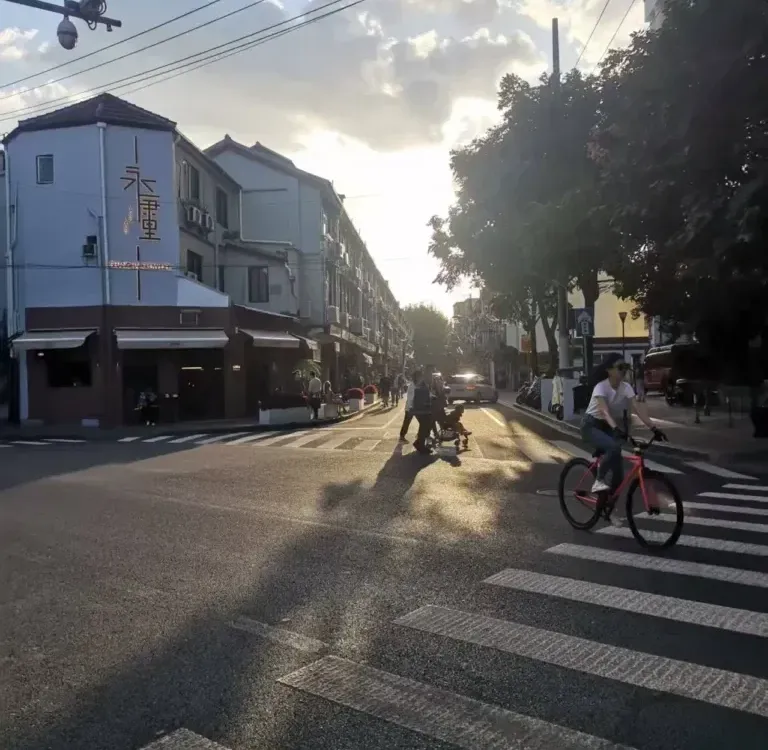
I would start with a conveniently located chain hotel and leave a decent amount for eating. Food is part of the reason to come to Shanghai. I would rather have room for a restaurant meal or an experience I actually want than spend most of the week’s money on the hotel.
I lived in Shanghai for ten years, so it is the city I use to make this China travel budget concrete. These are planning allowances, supported by the price checks linked below, rather than my receipts or a national average.
Included: accommodation, meals, local transport, airport rail, selected attraction tickets, extra experiences, mobile data and a reserve. Excluded: international flights, visas, travel insurance, shopping and spending before you reach China.
Is $1,000 Enough for a Week in China?
Those ranges give you choices; they are not an invitation to take the highest number in every category. A CNY500 room, CNY300 of food every day and CNY1,000 of experiences push the total to about US$1,100 with the reserve.
The main example uses CNY400 for the room and CNY250 for daily meals. That leaves more flexibility than spending right up to the limit.
A 7-Day China Travel Budget for One Person
Every amount below is for one adult paying the entire bill. Seven days means seven calendar days, including arrival and departure, with six hotel nights.
| Expense | How I would budget it | Total, CNY |
|---|---|---|
| Private hotel room | CNY400 × 6 nights | 2,400 |
| Meals and drinks | CNY250 × 7 days | 1,750 |
| Getting around Shanghai | CNY50 × 7 days | 350 |
| Airport rail transfers | Round-trip allowance | 20 |
| Selected attraction tickets | Yu Garden + optional Zhujiajiao pass | 100 |
| Extra experiences | For the whole trip | 600 |
| Mobile data | Rounded allowance | 100 |
| Subtotal | 5,320 | |
| Reserve | 10% of the subtotal | 532 |
| Total | About US$878 | 5,852 |
The hotel, meal, transport and experience amounts are budgets to work within, not a package you can buy at this price. The attraction choices and data-plan reference are explained below. No promotional discount has been deducted.
For a rough daily comparison, the total averages CNY836 / US$125 per calendar day. That includes your six hotel nights, airport rail and reserve; it is not an extra daily spending allowance.
USD equivalents use the ECB reference rates for 5 November 2026, giving approximately US$1 = CNY6.67. Your card's conversion rate and fees may differ.
Shanghai Hotel Costs: Economy, Midrange and Higher-End Stays
All room figures here are per room, per night. As a solo traveller, you pay the full amount. Look at the final six-night total, including taxes and mandatory fees, before comparing hotels.
-
Economy and Value-Chain Hotels
For this budget, I would search around CNY300–500 a night and prioritise a useful location. Start with straightforward chain hotels rather than assuming you need a hostel or a long commute.
A familiar brand is a starting point, not the whole decision. Check the particular branch, room size, window, recent guest photos and distance from the metro. Breakfast and cancellation terms can also change the value of a rate.
This is a search target, not a guarantee for every central branch or travel date. For example, a six-night quote checked on 6 November for 13–19 November 2026 at HanTing People’s Square Dagu Road was US$475 including taxes and fees—about CNY528 per night. Even an economy-chain room can sit above the target.
Choose the area first with my Shanghai accommodation guide, then compare the rooms available for your dates.
-
Midrange and Four-Star Options
If you want to put more into the room, compare what CNY500–800 per night buys on your dates. Treat that as an upgrade budget, not a fixed price band for every four-star hotel.
Over six nights, this means CNY3,000–4,800 for accommodation alone. A good offer might still fit the overall plan, but you need to make the other choices around it. Stars do not tell you whether a particular booking stays under US$1,000.
-
Higher-End Hotels
Once the room reaches CNY800 a night or more, I would increase the trip budget if you want to keep the restaurant meals and experiences in this plan. Six nights at CNY800 already cost CNY4,800.
If a particular hotel is part of the reason for your trip, that may be money well spent. Just give it a larger budget rather than cutting every meal and activity to protect the headline total.
Food Costs in China: Budget for the Meals You Want
Simple Local Meals
Around CNY150 a day is the lower-spend option I would use for uncomplicated meals: noodles, rice dishes, dumplings and casual restaurants, with fewer extras.
That does not mean you have to eat badly or only buy street food. It means you are choosing mainly for a satisfying everyday meal, rather than making each lunch and dinner an occasion.
Restaurant Meals and Food-Focused Travel
For the trip I am recommending here, I would keep CNY200–300 a day for meals and nonalcoholic drinks. The main table uses CNY250.
One way to divide it is CNY30 for breakfast, CNY80 for lunch, CNY110 for dinner and CNY30 for drinks or coffee. That is a spending plan, not a set of restaurant quotes. Move the money around when one meal matters more.
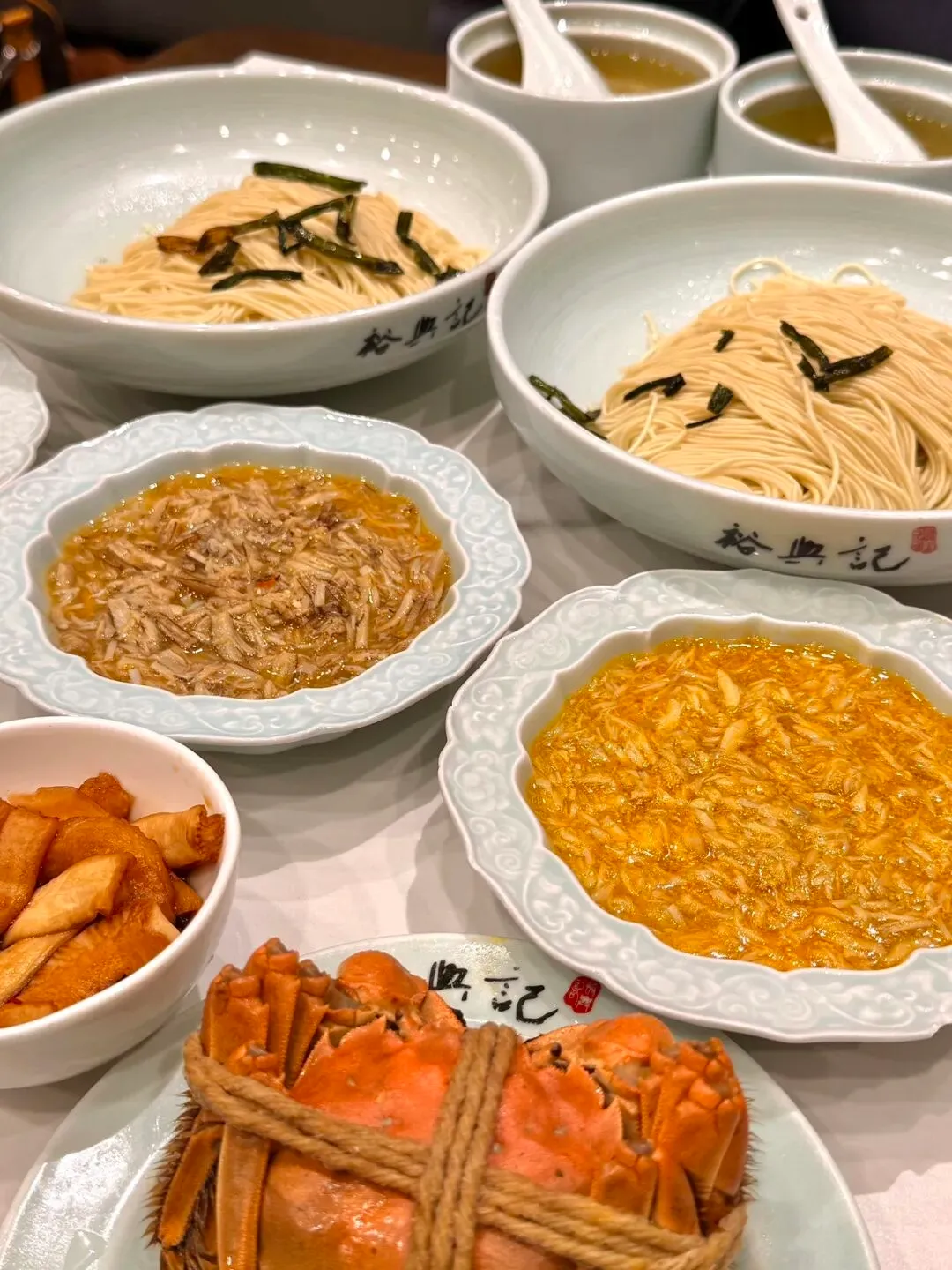
A crab-roe noodle or rice meal around CNY100 can take a substantial part of a cheaper daily food allowance. I would plan for that meal and have a simpler breakfast, rather than rule it out because lunch usually costs less. My Shanghai crab-roe noodle guide explains how I would choose.
Restaurant dining is part of this budget. Daily tasting menus, cocktails and premium restaurant sets are not. If those matter to you, increase the food allowance before booking a more expensive room.
Shanghai Transport Costs: Metro and Short Taxi Rides
A Metro-First Option
Shanghai’s ordinary metro fare starts at CNY3 for journeys up to 6 km, then increases with distance. It is not a flat CNY3 ticket for every ride, and newer suburban rail services have separate fares. The city’s official fare guide explains the differences.
If you mainly walk and take the metro, you can spend less than the CNY50 daily allowance in this plan. Use my Shanghai Metro guide for the practical setup and ticket options.
Mixing the Metro With Short Taxi Rides
The CNY50 per day is there to give you some flexibility: take the metro across town, then use a short taxi ride when it saves effort. It is not an all-day taxi pass.
I would spend that transport money selectively. A car after a long day can be useful; taking one between every stop can change the budget quickly.
Airport Transfers
The main table sets aside CNY20 for airport rail in both directions. As a reference, Shanghai’s official airport transport guide lists Line 2 from Pudong Airport to People’s Square at about CNY7 one way. Your hotel route may differ.
Compare the options in my Pudong Airport to Shanghai guide, especially if your arrival time makes rail inconvenient.
Attraction Tickets and Extra Experiences
Free Walks and Selected Admission
You do not need a paid attraction every day. I would mix the Bund and a French Concession walk with the places you particularly want to enter.
The CNY100 ticket line is a specific example:
- Yu Garden: CNY40 for ordinary adult admission in November, according to its official visitor information.
- Zhujiajiao: CNY60 for the optional three-attraction pass listed on the official ticket page.
Zhujiajiao’s public streets are free to enter. The pass is for selected interiors, and boats cost extra. My Zhujiajiao day-trip guide helps you decide whether to buy the pass at all.

CNY100 is not a promise to cover every attraction you might choose. A theme park, observation deck or special exhibition needs its own allowance. Replace the sample tickets with your actual list.
Set Aside CNY300–1,000 for Experiences
This amount is for the whole week, in addition to the selected tickets above. I would rather choose one or two experiences I am interested in than book an activity simply because a day looks empty.
A bathhouse visit, tea experience, workshop or show can fit this part of the plan, depending on the product and package. The main budget leaves CNY600. Browse the Shanghai Experience Finder and compare what each price includes before choosing.
Check whether admission, food, treatments, equipment or a host are included. If a package covers something already in your budget, count it once.
Mobile Data and Small Extra Costs
I have rounded mobile data up to CNY100. As a reference, Airalo’s China page displayed a 5GB, 7-day plan at US$14.50 when checked on 6 November 2026. It is one option, not a requirement; check your phone’s compatibility and when the validity period starts.
Use my China internet guide to choose a setup and the China payment guide to prepare your wallets and backup methods.
Keep the 10% reserve separate from your planned meals and experiences. It gives you room for small price changes, payment costs or an extra ride. It does not turn an unpriced major activity into an included one.
How to Keep Your Solo China Trip Under $1,000
The useful choice is where you want the money to go. These three versions keep the same local transport, airport rail, sample admission and data allowances, and all include the 10% reserve.
| Spending choice | Hotel / food / experiences | Approximate total |
|---|---|---|
| Balanced | CNY400 per night / CNY250 per day / CNY600 for the trip | US$878 |
| More for the room | CNY500 per night / CNY200 per day / CNY700 for the trip | US$935 |
| All three at the upper end | CNY500 per night / CNY300 per day / CNY1,000 for the trip | US$1,100 |
Every extra CNY100 per hotel night adds CNY600 over six nights, before the reserve. That is why I would settle the room budget first, while protecting enough money for the meals and experiences you want.
- Check the complete hotel stay. Use the final price for six nights, with one adult in one room. Compare location, room details and cancellation terms alongside the amount.
- Pick your paid experiences. Price the exact activities, then replace the allowance with their total. Keep a separate line for any major attraction you add.
- Recalculate before adding another city. A second base changes hotel nights, station transfers and intercity transport. Keep the reserve after those changes.
If you are deciding between cities, read Shanghai vs Beijing first. The figures here assume one Shanghai base; they do not include a train to Beijing or six nights spread across several cities.
For the next steps, use Plan Your China Trip to sort out the practical preparation, then check the dates and prices of your actual bookings.