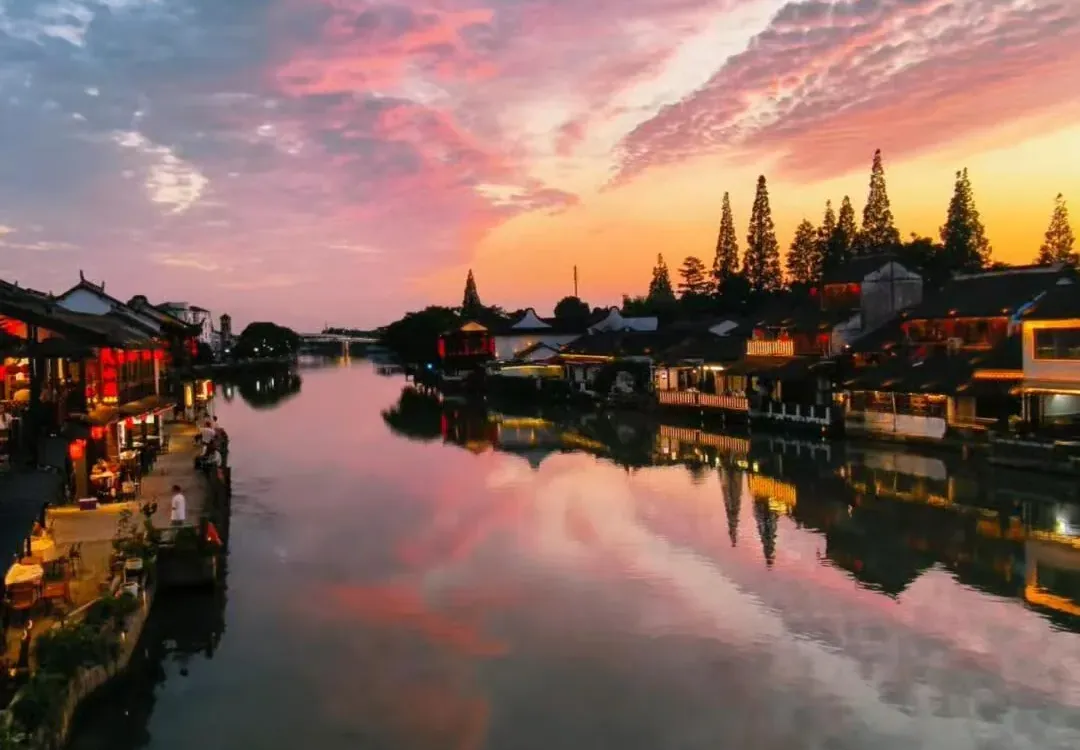
I’ve been to Zhujiajiao once, in the afternoon, and I enjoyed the atmosphere. If I were taking a friend now, I’d arrive while the gardens and boats are still running, walk the canal lanes as the light changes, then have dinner before heading back to Shanghai. Beyond a walk and dinner, there is not much to plan around after dark.
Should it get one of your Shanghai days?
| Your situation | Verdict | Why |
|---|---|---|
| First water town, three days or more in Shanghai | Go | Easy by metro, with no ticket needed to walk the streets |
| One spare half-day | Go if canals are a priority | Allow travel time as well as time in the town |
| Already doing Suzhou, Zhouzhuang or Wuzhen | Usually skip it | Another canal town may not be the best use of a short trip |
Expect a busy visitor area with a residential town beyond the main shopping street. The quieter lanes are worth finding.
If the days are not sorted yet, start with first time in Shanghai. This page is only the water town.
What is Zhujiajiao actually like?
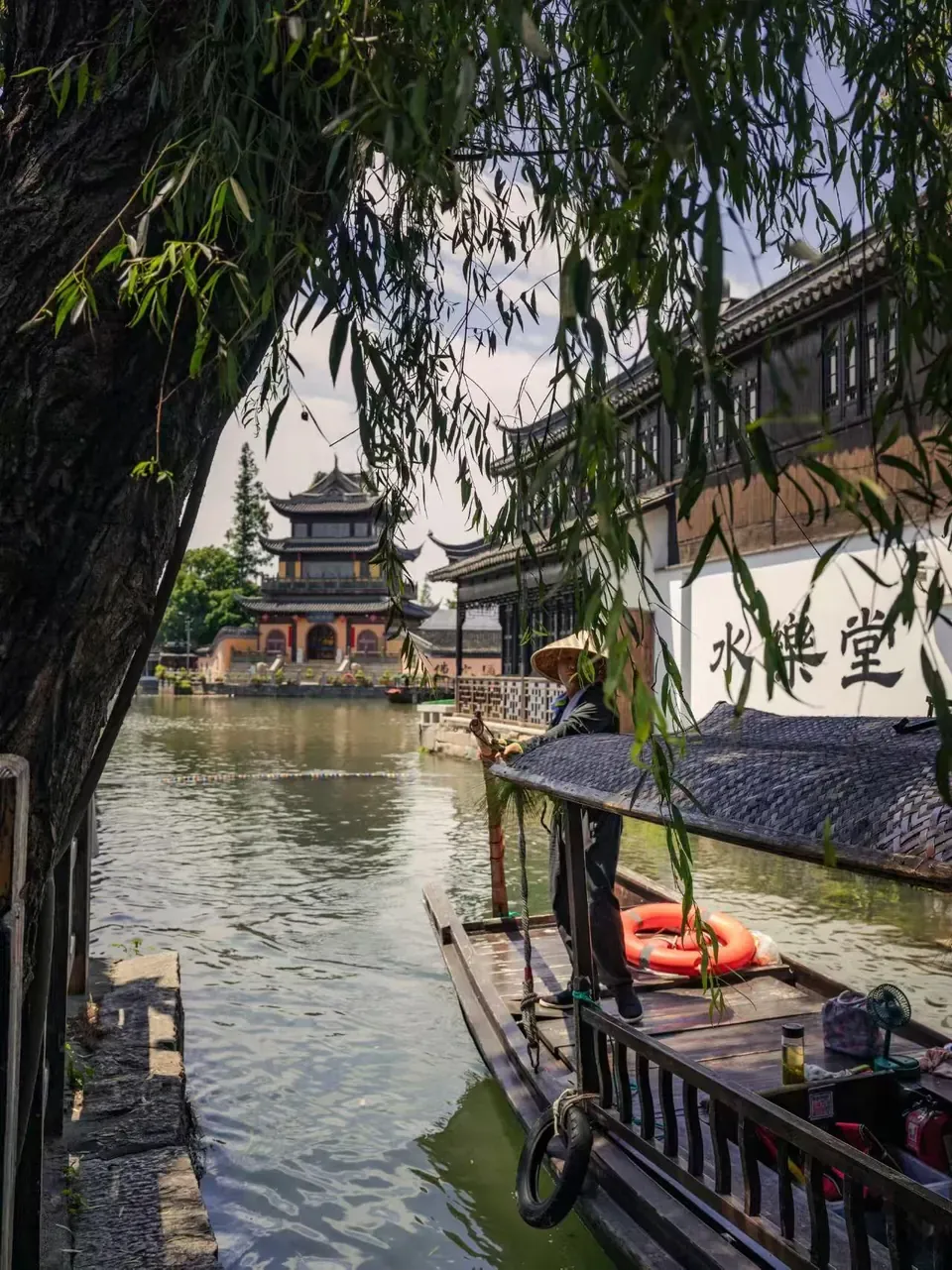
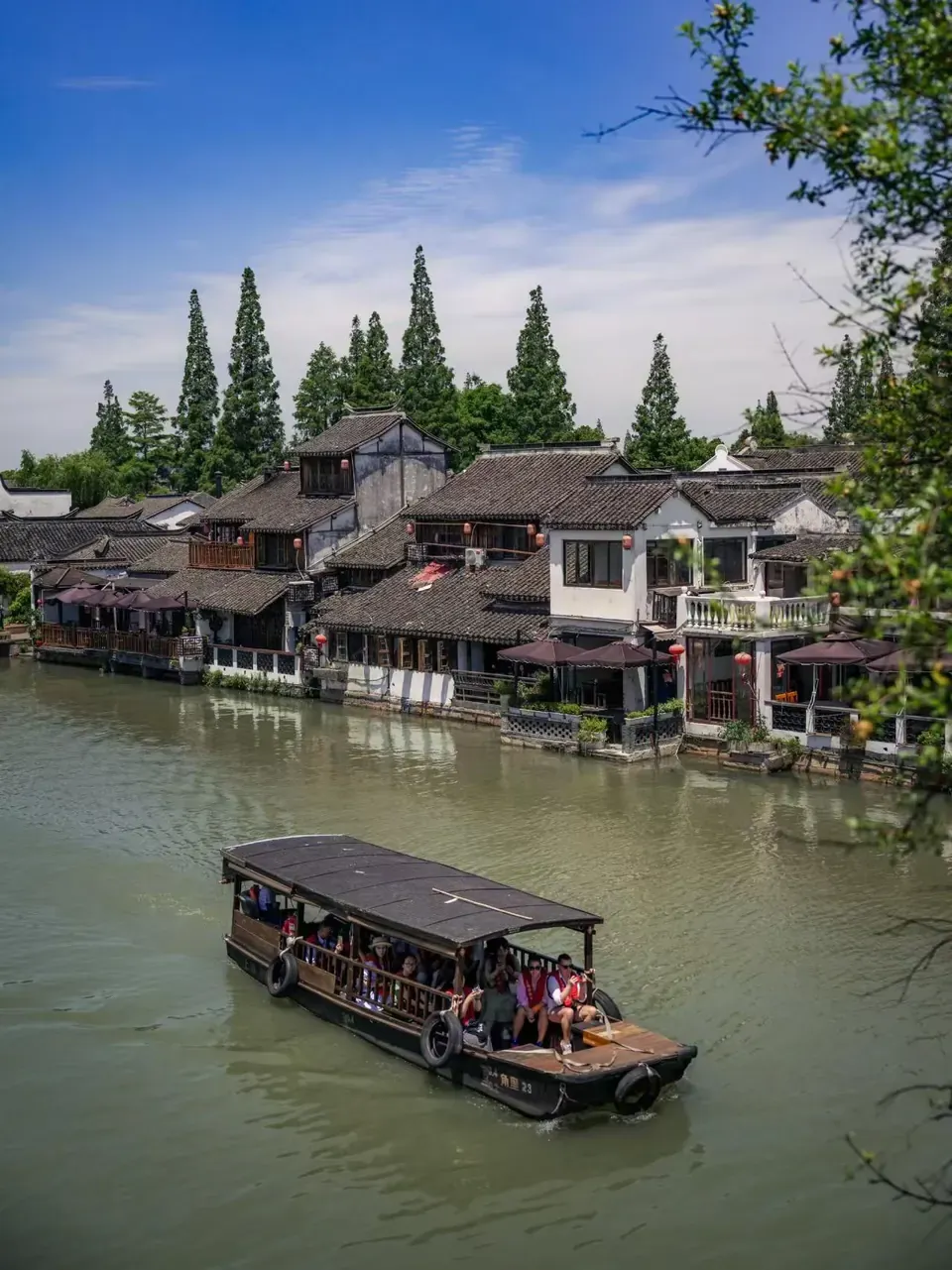
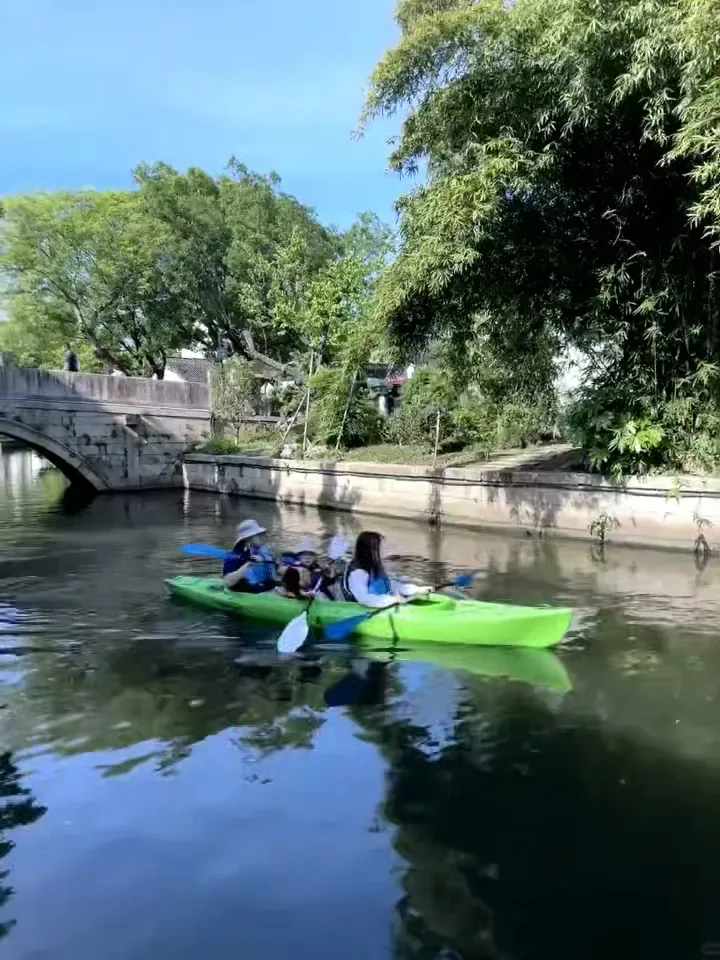
It has the water-town views people come for: Fangsheng Bridge, narrow canal lanes and small boats. It also gets a lot of visitors. Qingpu District reported more than five million visits through August 2026, while more than 2,500 residents still lived in the old core. Those two facts explain the mix I saw: a crowded shopping street and everyday life close by.
The same district report describes a four-language audio guide and some basic English at tourist-facing shops. That helps, but I would still bring a translation app for menus or questions away from North Street.
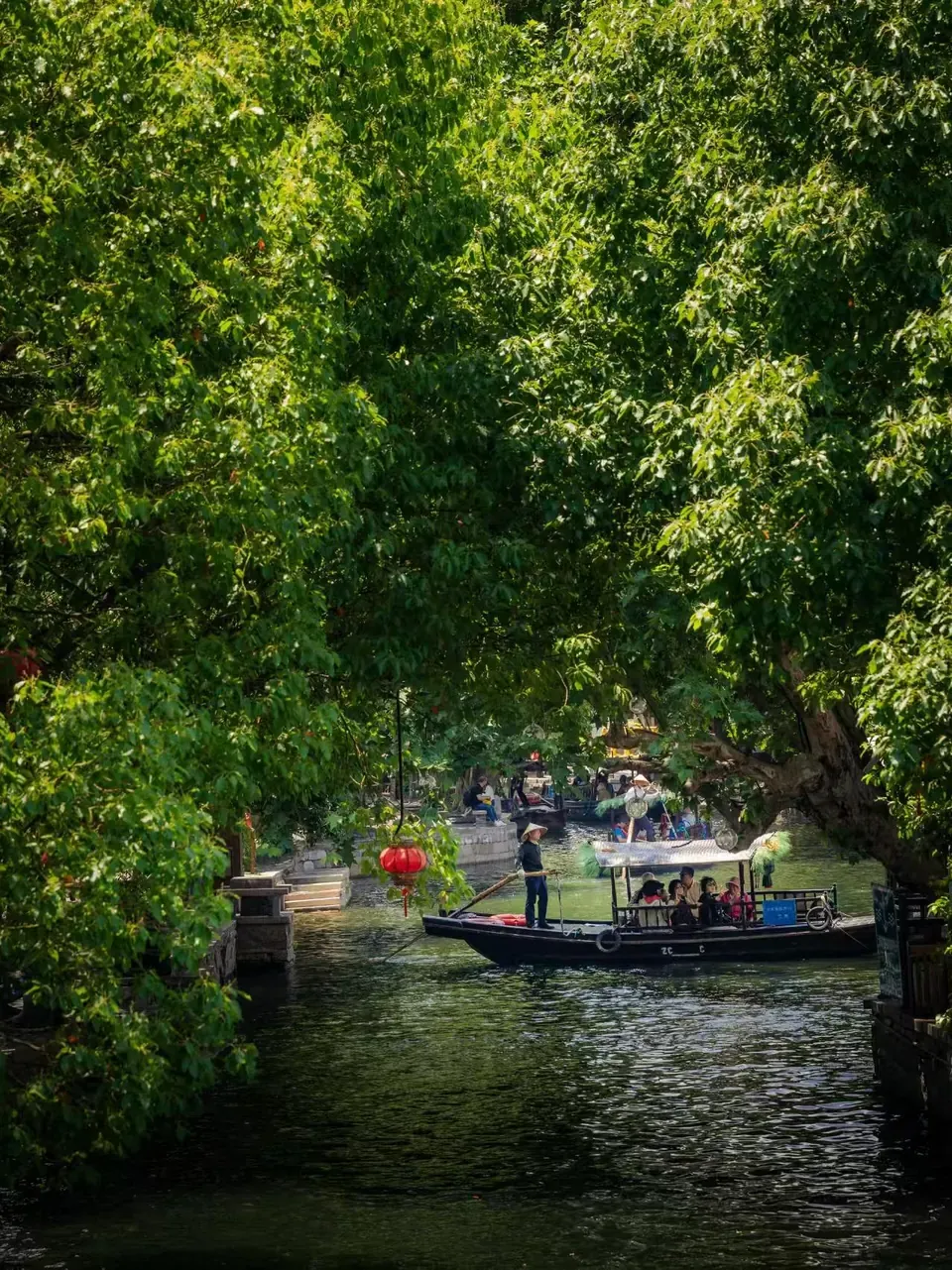
Day trip or overnight?
A day trip works. You can arrive in the afternoon, walk, eat dinner and take the metro back. The official site lists a late Line 17 service toward Hongqiao, but check the timetable for your date rather than planning around a time printed in an article.
Stay overnight only if you want both the quieter evening and an early walk the next morning. Most ticketed sights and boat services finish in the late afternoon, so the evening is for the streets and a meal, not a full sightseeing programme.
I have not stayed in Zhujiajiao, so I am not recommending a guesthouse. If you do book one, check its actual map location and recent reviews; an “ancient town” label does not tell you how close it is to the canal streets.
How long do you actually need?
The official suggested routes take about three, three and a half, or five hours in the town. Add the journey across Shanghai and the last stretch from the metro station. “Half-day trip” does not mean you will be back in the city centre by lunchtime.
| Plan | Time in town | What fits |
|---|---|---|
| Focused walk | About 3 hours | Fangsheng Bridge, North Street, side lanes, one tea stop |
| Slower visit | About 4–5 hours | Add Kezhi Garden or a hand-rowed boat, plus a meal |
| Overnight | Afternoon to next morning | An evening walk and an early start without a same-day return |
Getting there
Take Line 17 from Hongqiao Railway Station to Zhujiajiao Station. The official visitor guide lists ¥6 for that section. From central Shanghai, first get to Hongqiao Railway Station on Line 2 or Line 10 and change there.
At Zhujiajiao Station, Exit 1. Then three ways in.
Walk it. The official route follows Zhuxi Road, Xiangningbang Road and Xinfeng Road. Allow roughly 15–20 minutes; use a map for the final turn rather than assuming the metro exit is in the old town.
Bus 1510. It connects Exit 1 with the visitor-centre area. It is useful in rain or if you would rather save the walk; check the stop and current schedule before boarding.
The electric boat. The official boat page lists ¥40 per person from the metro-area dock. Treat it as a scenic transfer into town, not the same product as a hand-rowed canal boat. Published operating hours differ across official pages, so confirm them at the dock.
For the return, check Line 17’s last train in your metro app on the day. Leave time to walk back to the station.
Worth ten minutes of reading before you go: my Shanghai metro guide covers the payment and app side, which is where most first-timers lose time.
The walk I’d do
I would keep the walk simple. These are stops to choose from, not a checklist you need to complete.
- Start at Fangsheng Bridge. Cross the five-arch stone bridge and get your bearings by the canal.
- Walk North Street once. It is the busiest commercial lane. Take a look, then turn into the smaller streets rather than staying in the crowd.
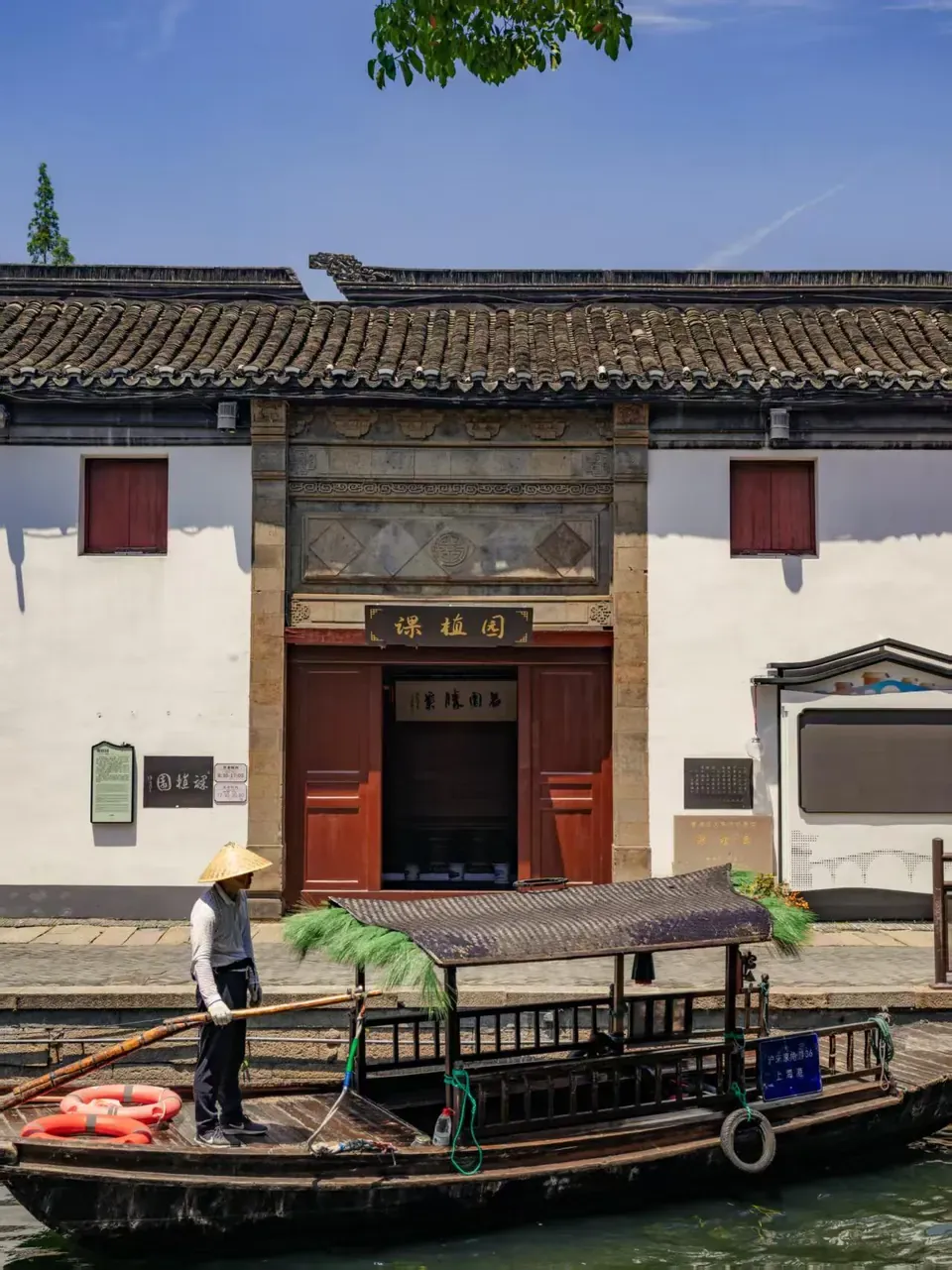
- Choose one slower stop. Sit down for tea, or visit Kezhi Garden if you want a paid interior. The garden and a long snack crawl are both optional.
- Loop back through the lanes. Xijing Street and Caohe Street give you a different view of the town; add the Qing-era post office if it is open.
If you arrive in the afternoon, reverse the loop and leave Fangsheng Bridge until later. I would make time to sit by the water once instead of rushing between every sight.
If tea is the actual reason you came, my Shanghai tea houses guide covers what to order and what the bill looks like.
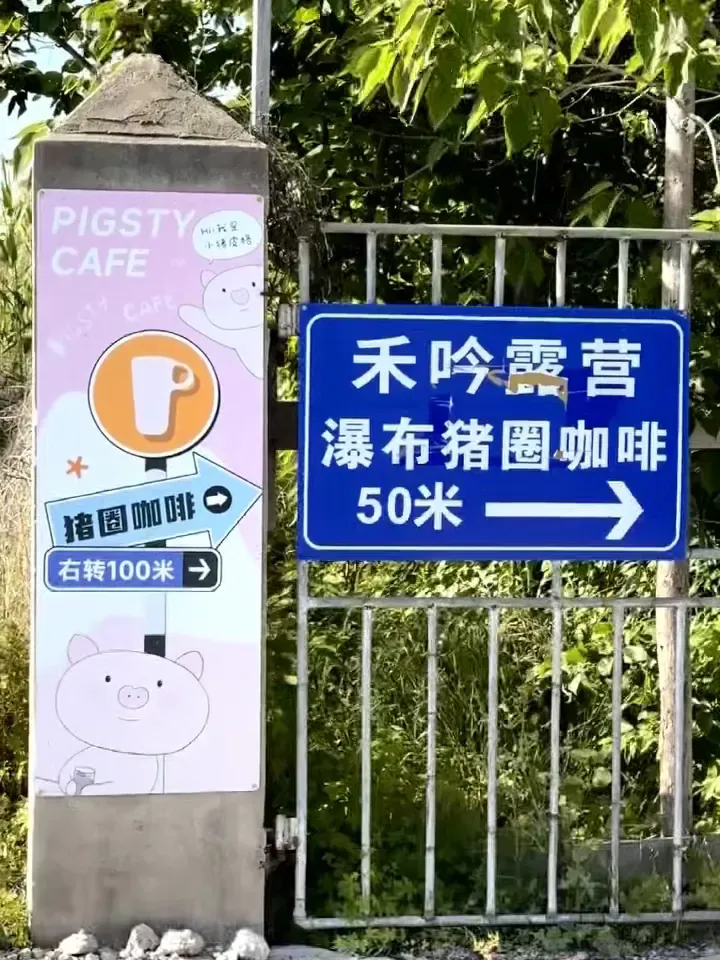
One small detail I liked was a café with little pigs. Very cute, and a good reason to leave a bit of room for wandering.

What’s free, what’s worth paying for
Checked against the official ticket and boat pages on 3 November 2026. Check again before you go.
| Item | Price | Notes |
|---|---|---|
| Walking the old town | Free | No gate ticket. Streets open all day, every day |
| Joint pass, three ticketed interiors | ¥60 a person | Kezhi Garden, Garden of Harmonious Hearts and Helong Art Gallery |
| Hand-rowed boat, A route | ¥200 per boat | Up to six people, about 15 minutes, one way |
| Hand-rowed boat, B route | ¥300 per boat | Up to six people, about 20 minutes, one way |
| Return to the starting dock | +¥100 per boat | Only if you want the round trip |
| Electric boat from the metro dock | ¥40 a person | Scenic transfer; verify service hours at the dock |
The ¥60 pass is for three interiors, not entry to the town. If you only want to walk the streets, you do not need it. The official FAQ also lists individual tickets for the paid sights.
The hand-rowed boats are priced per boat. On the ¥200 route, four people would pay ¥50 each if they split it evenly. For a short visit, I would choose either a garden or the canal boat rather than pay for every add-on.
When to go
Weekdays are easier than weekends or public holidays. An early walk gives you more room on North Street; a late-afternoon visit gives you softer light, but leaves less time for paid sights and boats.
If you want to dress up while you are there, my Shanghai hanfu photoshoot guide covers the booking side.
Zhujiajiao, Suzhou or Qibao?
Qibao is closer and smaller. Choose it when you want a short old-street stop without giving much of your day to travel.
Suzhou makes more sense if classical gardens are the reason for your trip and you have a full day.
Zhujiajiao is the easier traditional water-town outing by metro, especially if you want canals without booking a train to another city.
For a larger day-trip decision, read my Suzhou or Hangzhou comparison. On a short trip, I would not add a second water town just to tick a box.