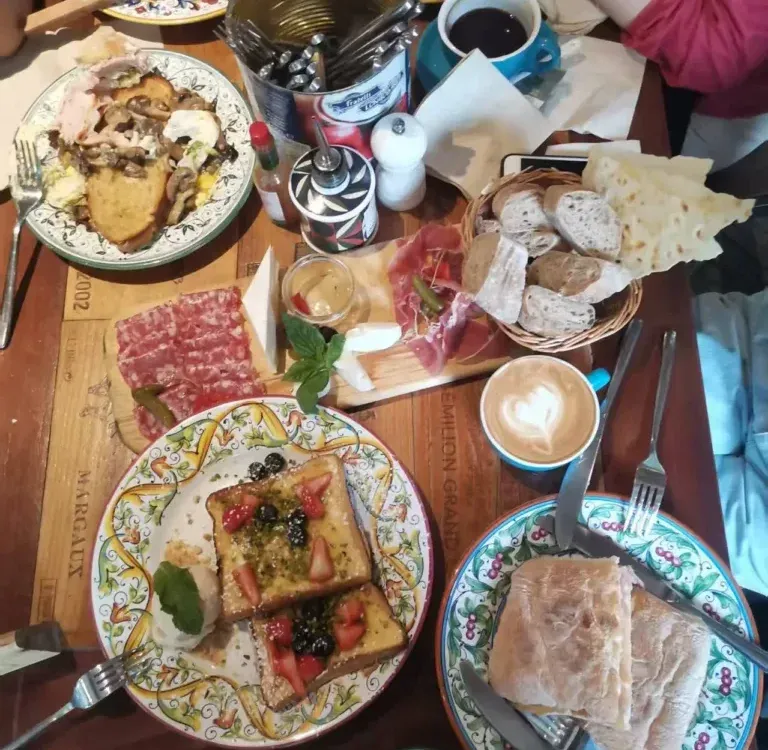
The meals I would personally go back for are crab roe rice at Xie Shang Huang, the handmade bean-curd dish at Xiangchun Story, vegetarian noodles at Jade Buddha Temple, and brunch at RAC. Baker & Spice is my easy option when I need food and a table. I have eaten at those five; the other suggestions below are places I have looked into but have not personally tried, apart from an earlier Xin Rong Ji visit covered in its own article.
You can also use a meal here to explore another part of China. Xin Rong Ji brings Taizhou seafood to the table; Meet the Bund focuses on Fujian cooking. I would choose one if the menu interests you, while keeping a meal free for Shanghai’s own benbang cuisine.
What to eat first
| If you want… | Start with… | How I would fit it in |
|---|---|---|
| A quick local meal | Shengjian, xiaolongbao or pork chop with rice cakes | Pick one near your morning’s sightseeing |
| A shared Shanghainese dinner | Red-braised pork and a few contrasting dishes | Choose Ren He Guan or Old Jesse |
| One meal to plan around | Seasonal crab, Xin Rong Ji, or Meet the Bund | Leave an evening and some appetite for it |
| A slower break | RAC, Baker & Spice, or a tea house | Give yourself time to sit |
1. Shanghai breakfasts and snacks
For your first few meals, try a few different textures. Shengjian have a browned, pan-fried base and a soft bun above it. Xiaolongbao have thin wrappers holding soup. Paigu niangao, pork chop with chewy rice cakes, gives you something quite different after a couple of baskets of dumplings.
These three restaurants are still on my own list. I have picked one for each dish, so you can choose what sounds good and keep the rest of your day simple.
Da Hu Chun 大壺春 — pan-fried buns
Da Hu Chun would be my starting point for the breadier, less soupy style of shengjian. It uses fully risen dough and a filling that relies on the meat’s own juices, with a crisp base underneath. If you have only seen the thin-skinned versions spilling broth everywhere, this is a different style to try.
Save the 136 Middle Sichuan Road branch and start with the pork buns. A small order leaves you room for something else later, which is how I would approach a morning of eating in Shanghai.
Nanxiang Steamed Bun Restaurant 南翔饅頭店 — xiaolongbao near Yu Garden
Nanxiang is an easy choice for a day around Yu Garden. I would start with the classic pork dumplings, or share pork and crab roe versions if there are two of you.
The branch is at 87 Yuyuan Road, in the Yu Garden shopping area. Fit it into that outing rather than making a separate trip across town. Decide whether you want a quick basket or a seated meal before you order; the time and budget you need will be different.
And take the first bite slowly. Lift the dumpling onto your spoon, make a small opening and let the steam escape. Hot soup is much less enjoyable when it burns your mouth.
Xian De Lai 鮮得來 — pork chop and rice cakes
For a simple lunch, I would consider Xian De Lai at 36 South Yunnan Road. The order is straightforward: pork chop and rice cakes. You get the contrast of fried pork and soft, chewy rice cakes, with the savoury sweetness that runs through plenty of Shanghai food.
This is the one I would choose when I wanted something more substantial than dumplings without sitting down to a full shared dinner.
2. Sit down for a Shanghainese meal
Leave one evening for a proper shared meal. Red-braised pork, hongshao rou (紅燒肉), is a good place to start; shredded eel is another dish to consider if you like its texture. Add vegetables and rice so the whole table does not end up rich and heavy.
For two people, I would ask whether two main dishes and a vegetable dish are enough before adding more. It is easy to get carried away when everything on the menu is new.
Ren He Guan and Old Jesse are the two I would shortlist. I have not eaten at either of these branches, so my choice would come down to the dishes I wanted and which table I could book.
Ren He Guan 人和館 — crab roe rice and local cooking
Consider Ren He Guan Xuhui, at 407 Zhaojiabang Road, if crab roe rice is high on your list but you also want a full Shanghainese dinner. Crabmeat and roe over rice and shredded eel with water bamboo are two dishes to look at here.
The old-Shanghai-style dining room adds another reason to sit down for the evening. I would sort out the table first, then plan the rest of the night around dinner.
Old Jesse 老吉士 — a dinner built around braised pork
At Old Jesse’s original restaurant, 41 Tianping Road, I would build the order around red-braised pork. That gives you a clear starting point, then you can ask which vegetables and lighter dishes would balance it.
The dining room is small, so book ahead. Save the full name and Tianping Road address together: that is the restaurant I mean here.
3. Crab roe noodles, rice and a proper crab meal
Autumn is when I would put crab near the top of the plan. The decision is how much of a meal you want to make of it: a rich bowl of noodles or rice, or an evening devoted to crab.
Xie Shang Huang 蟹上黃 — I would order the rice
I went to Xie Shang Huang near the Bund in October with two other people. We tried both noodles and rice with the crab topping, and the rice won.
The noodles became too rich partway through the bowl. The rice carried the same topping better, and it was the dish I would order again. If you want to try the famous noodles too, get one of each and share. That is what I would do next time.
I would keep the main bowl to around ¥100 or less. Once the price starts climbing much beyond that, I would rather put the money towards a fuller crab meal.
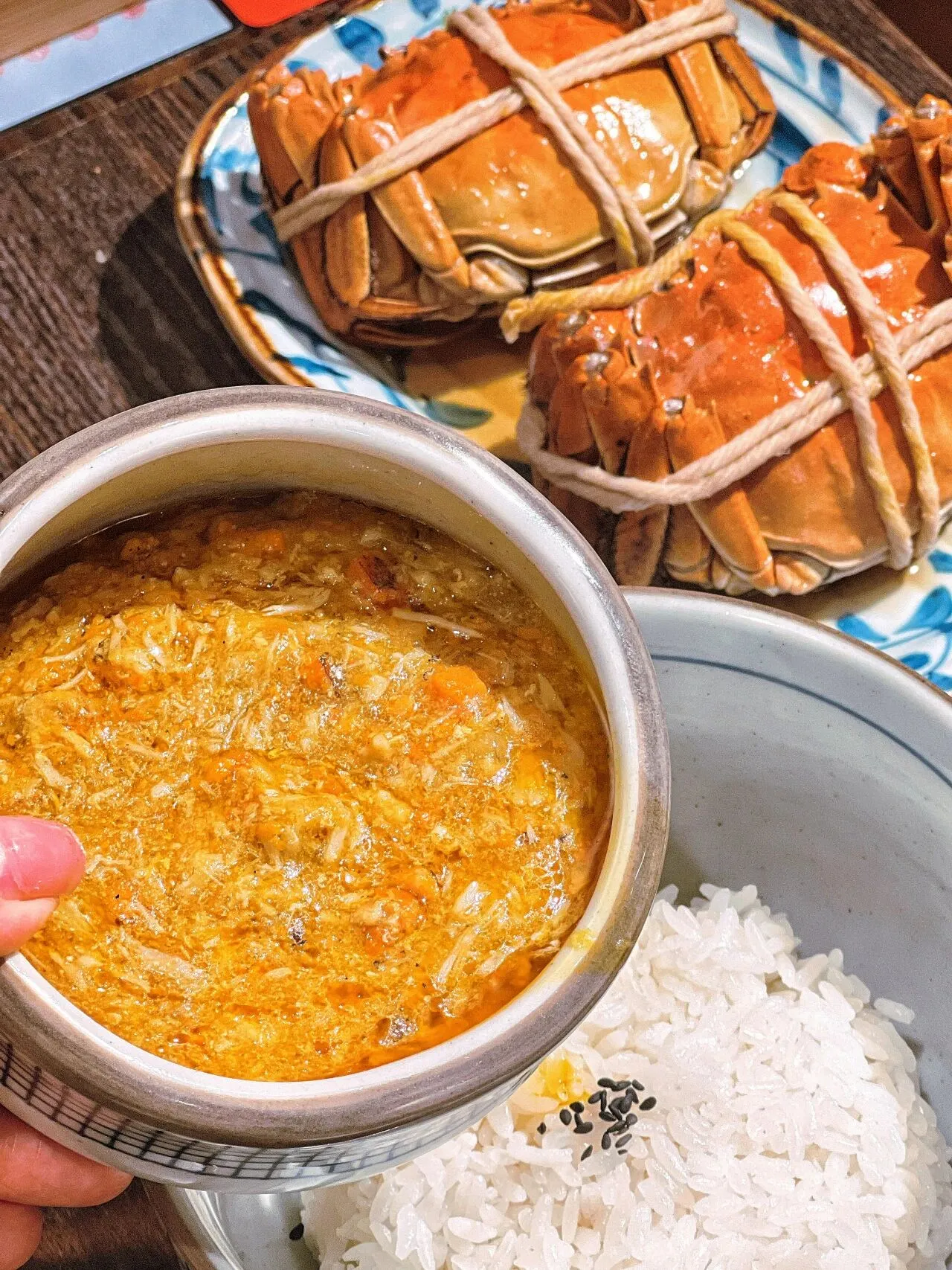
My Shanghai crab roe noodles guide goes into what we ate and why I preferred the rice. Outside autumn, ask what crab the restaurant is using before deciding whether this is the meal to spend on.
Wang Bao He 王寶和酒家 — when crab is the whole meal
If you want to sit down to a crab dinner, Wang Bao He at 603 Fuzhou Road is the place I would look into. Crab appears across the menu, including preparations with dumplings and tofu, as well as the restaurant’s crab banquets.
I have not eaten here yet. I would ask about whole crab and the seasonal menu, then decide how much to order. Check whether the price is per crab, per dish or per person; that one question makes the bill much easier to understand.
4. One special meal: regional Chinese cooking and the Black Pearl list
For a more expensive dinner, I would begin with the cuisine. These two restaurants give you a chance to explore different parts of China, and the food should be what makes you want the table.
Xin Rong Ji 新榮記 — Taizhou seafood
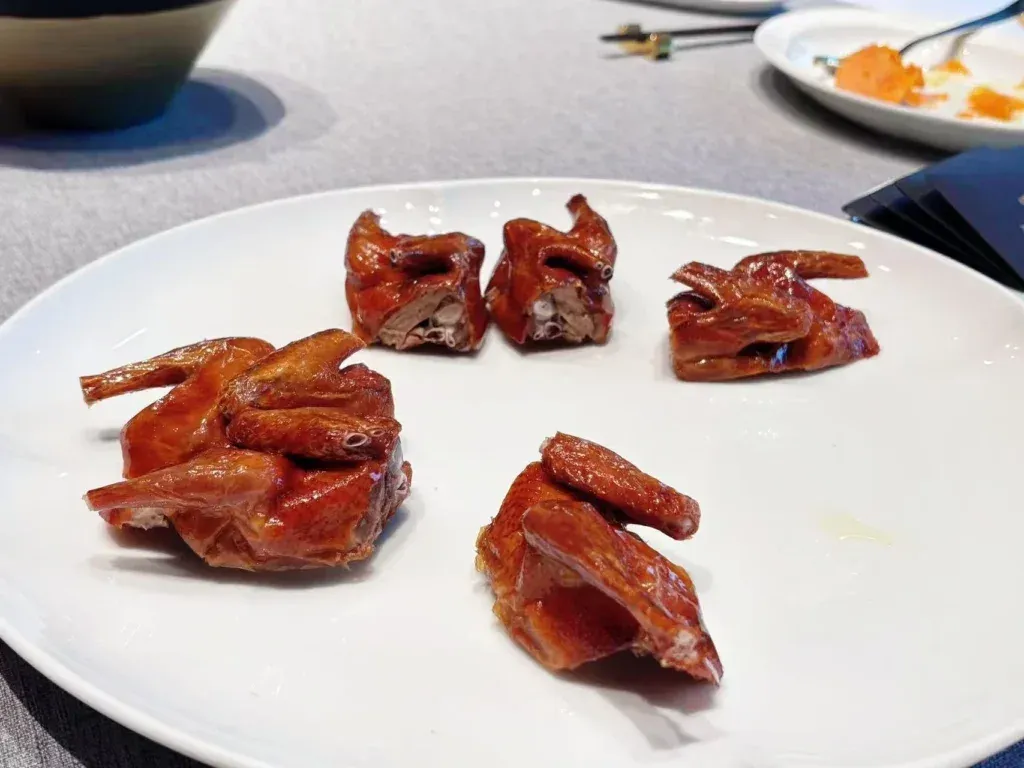
Xin Rong Ji is where I would start if seafood is the main attraction. My earlier Xin Rong Ji dining story covers the meal in more detail, including fried hairtail and crispy pigeon.
The West Nanjing Road branch, on the second floor of Henderson 688 Plaza at 688 West Nanjing Road, is one option to consider for a booking. I have not personally reviewed this branch. Fried hairtail and braised yellow croaker are dishes worth asking about when you reserve, particularly if there is something you do not want to miss.
Agree on a budget for the table before ordering seafood by weight. I would much rather have that conversation while booking than work it out after the fish arrives.
Meet the Bund 遇外灘 — the Xintiandi branch
Meet the Bund is on my list for Fujian cooking. For the Xintiandi branch, the dishes I would ask about are Buddha Jumps Over the Wall and crab with glutinous rice. They give me a more useful reason to consider dinner here than the awards alone.
The branch holds three diamonds in the 2026 Black Pearl Restaurant Guide. I have not eaten here, so I would look at the current menu and total cost before choosing it over Xin Rong Ji.
That is also how I would use Black Pearl generally: let it introduce you to a restaurant, then decide whether you actually want the meal. Check the specific branch and year, and leave room in your trip for the inexpensive places too.
5. Coffee and brunch between meals
Some days I want a long brunch. Other days I just need bread, coffee and somewhere to sit before walking again. RAC and Baker & Spice are the two I know from eating there; Manner is the coffee option to keep in mind along your route.
Manner — a coffee on the way
I would choose a Manner branch close to wherever you are already going. It works as an everyday coffee stop, so there is little reason to rearrange the day around it.
If you are walking along the North Bund, look up the Guoke Binjiang branch for a riverside setting facing the Oriental Pearl Tower. That is the branch to save for this particular walk.
RAC — the brunch I would plan around
RAC is the one I would choose for a long breakfast. I have eaten here, and I would come for a savoury galette and coffee, then leave time to sit.
Go to the Anfu Road location near Wukang Road and make it the start of a neighbourhood walk. Keep the next stop flexible in case you have to wait for a table. A leisurely brunch loses some of its appeal when you are watching the clock.
Baker & Spice — when you need food and a table
Baker & Spice is the place I use when I want bread, a salad or cake, and a decent chance of finding a table. The bread and cakes are more of a reason to go than the coffee.
The 195 Anfu Road branch is an easy one to fit between walks. I would keep it as an option for when you are hungry and ready to sit down, without turning it into another appointment.
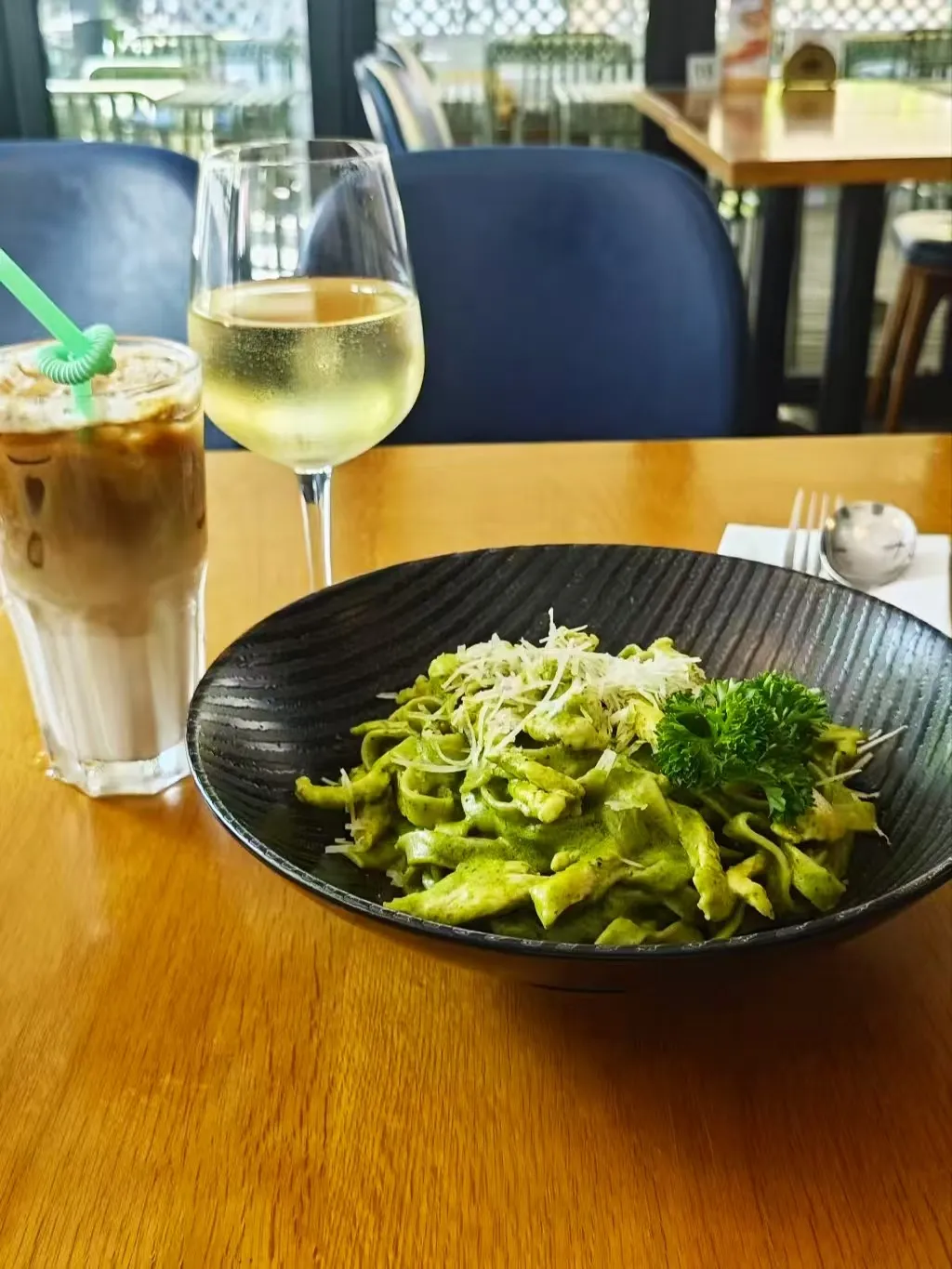
For the longer version of what I would drink and where I would go back, see my Shanghai coffee guide. Then pick up the Anfu Road and Wukang Road walking route nearby.
6. Leave an afternoon for tea
I would choose a tea house by the kind of afternoon I wanted. A historic room beside Yu Garden, a modern tea bar and a space filled with teaware offer quite different reasons to sit down.
I have not tried these three myself yet. They are the ones I would consider for those three kinds of visit.
Huxinting 湖心亭 — tea in the old town
Choose Huxinting if you want tea to be part of your Yu Garden outing. The pavilion beside the zigzag bridge gives you the setting, and Nanxiang is nearby if you want dumplings first.
I would go for the room and its place in the old town. There are multilingual menus, so take a moment to choose the tea and snacks you actually want before settling on a package.
AKALCHA — a contemporary tea stop near Jing’an Temple
AKALCHA, at 152 Yongyuan Road, is the one I would consider if you enjoy specialty coffee and want to approach tea with the same curiosity. Loose-leaf blends and kombucha give it a different feel from a traditional teahouse.
You could fit a casual drink into a walk around Jing’an Temple. If you want a guided tasting, arrange that in advance so you know what the visit includes.
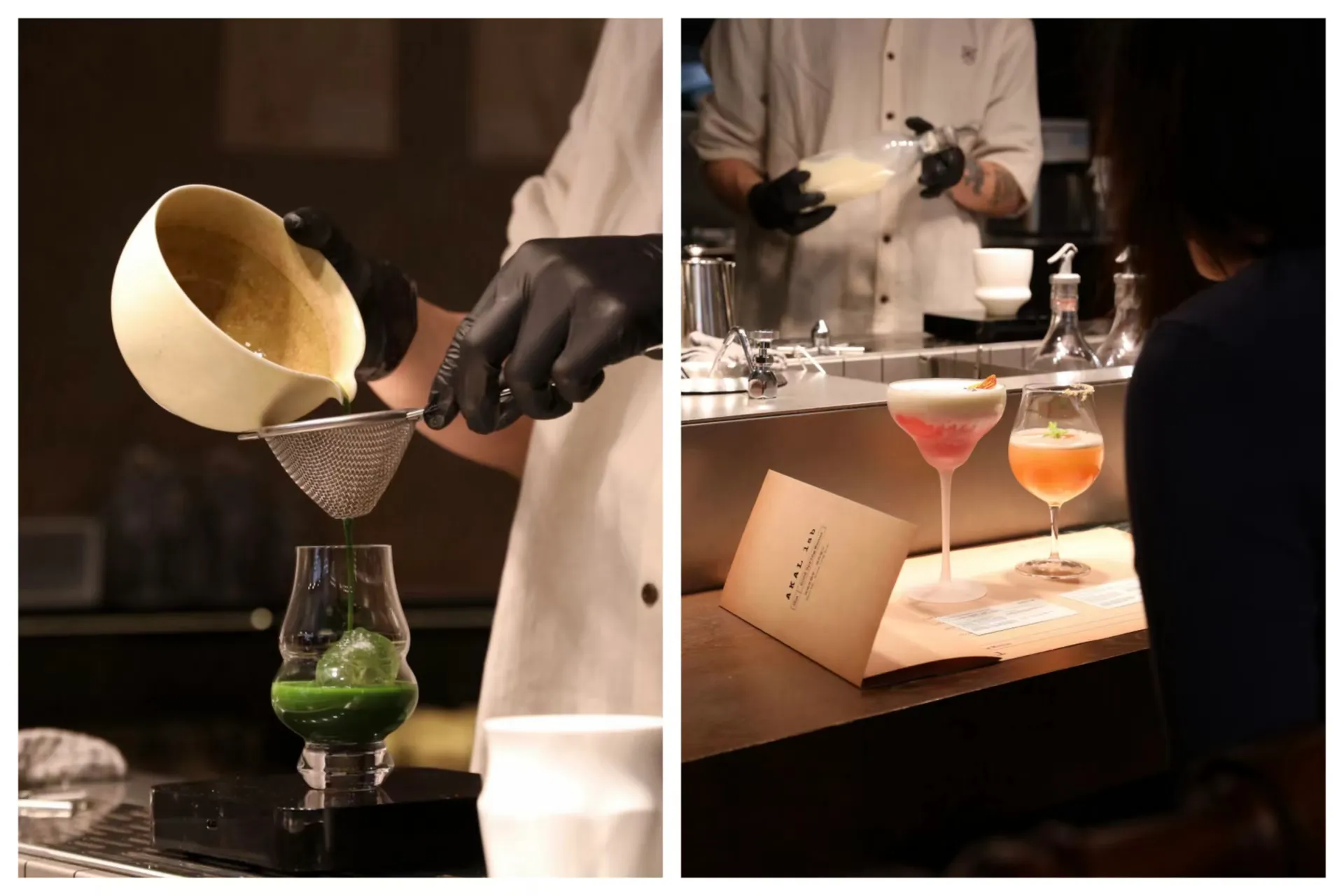
Qi Shan Tea House 七山茶院 — tea inside Dongliang House
Qi Shan sits inside Dongliang House at 188 Wuyi Road, bringing tea and teaware together with fashion and design. I would choose it if the cups, pots and way the tea is served interest you as much as the drink.
Give yourself time to browse and sit. Before making a special trip, ask about seating and the minimum spend so you can decide how much of the afternoon to leave free.
My Shanghai tea-house guide covers more options, including private rooms for meetings. For a short visit, I would pick one tea stop and give it a proper hour or two.
7. Vegetarian food worth making time for
These two are personal recommendations. I have eaten at both, and I would keep them in the plan even if nobody in the group is vegetarian. Choose Xiangchun Story for a full meal and Jade Buddha Temple for a simpler bowl of noodles inside the temple.
Xiangchun Story 香椿故事 — my strongest vegetarian recommendation
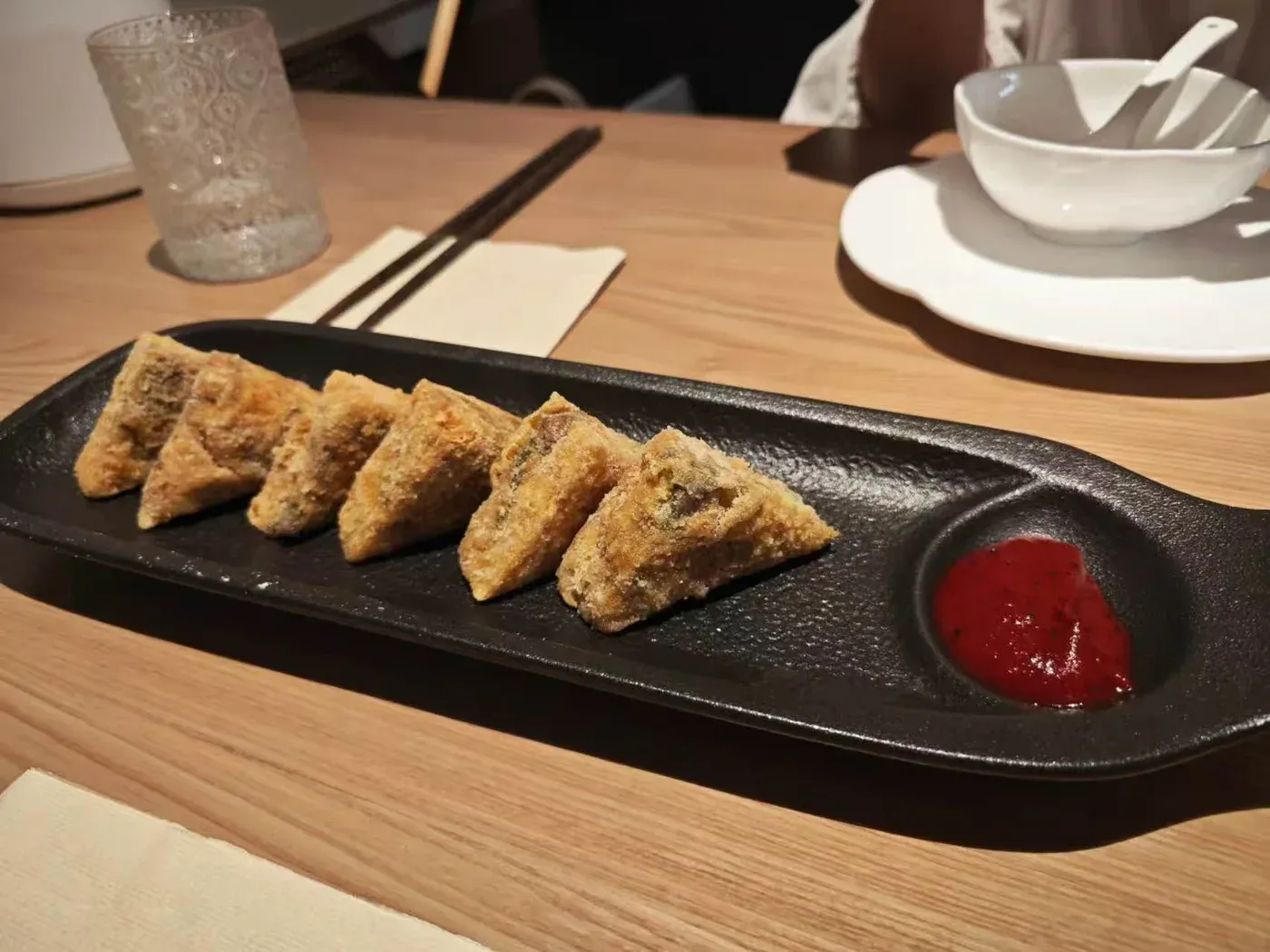
Make room for Xiangchun Story’s Jing’an Temple branch. The dish I would send you there for is the crispy handmade bean-curd dish, 脆皮手工豆排.
It combines tofu skin and bean-curd sticks with soy milk, matsutake and seaweed, served with black truffle sauce. What impressed me was the layering. There was much more going on in the texture than I usually find in a vegetarian dish, and it is the plate I would tell a friend to order first.
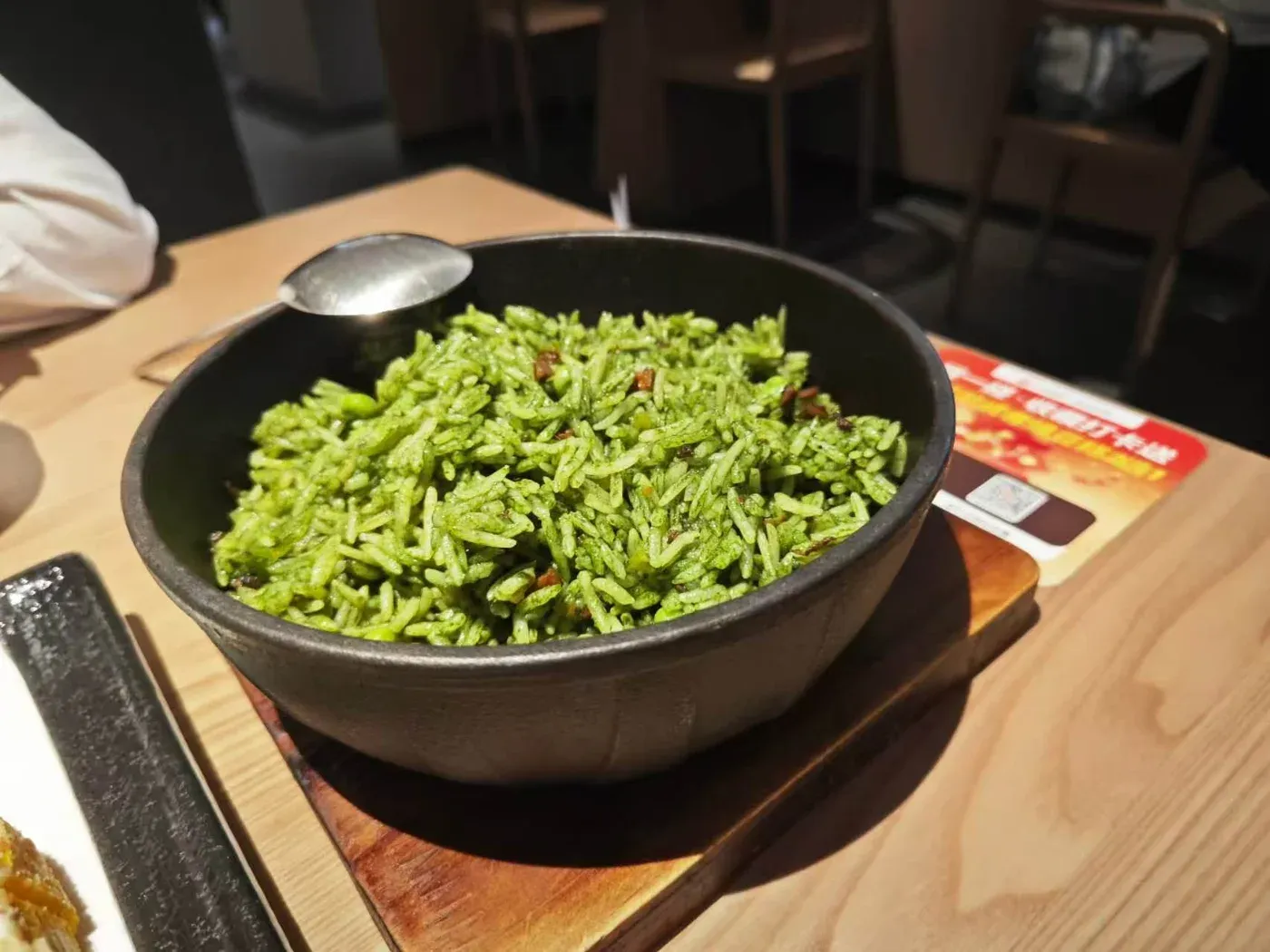
The mushroom and seaweed rice is another one to consider. Allow roughly ¥110 per person, depending on what you order.
The restaurant is on the third floor of Fuhui Building on Yuyuan Road, by Jing’an Temple. Save Xiangchun Story — Jing’an Temple branch (香椿故事·静安寺店) in your map app so you arrive at the right restaurant.
Jade Buddha Temple 玉佛寺 — noodles and vegetarian food inside the temple
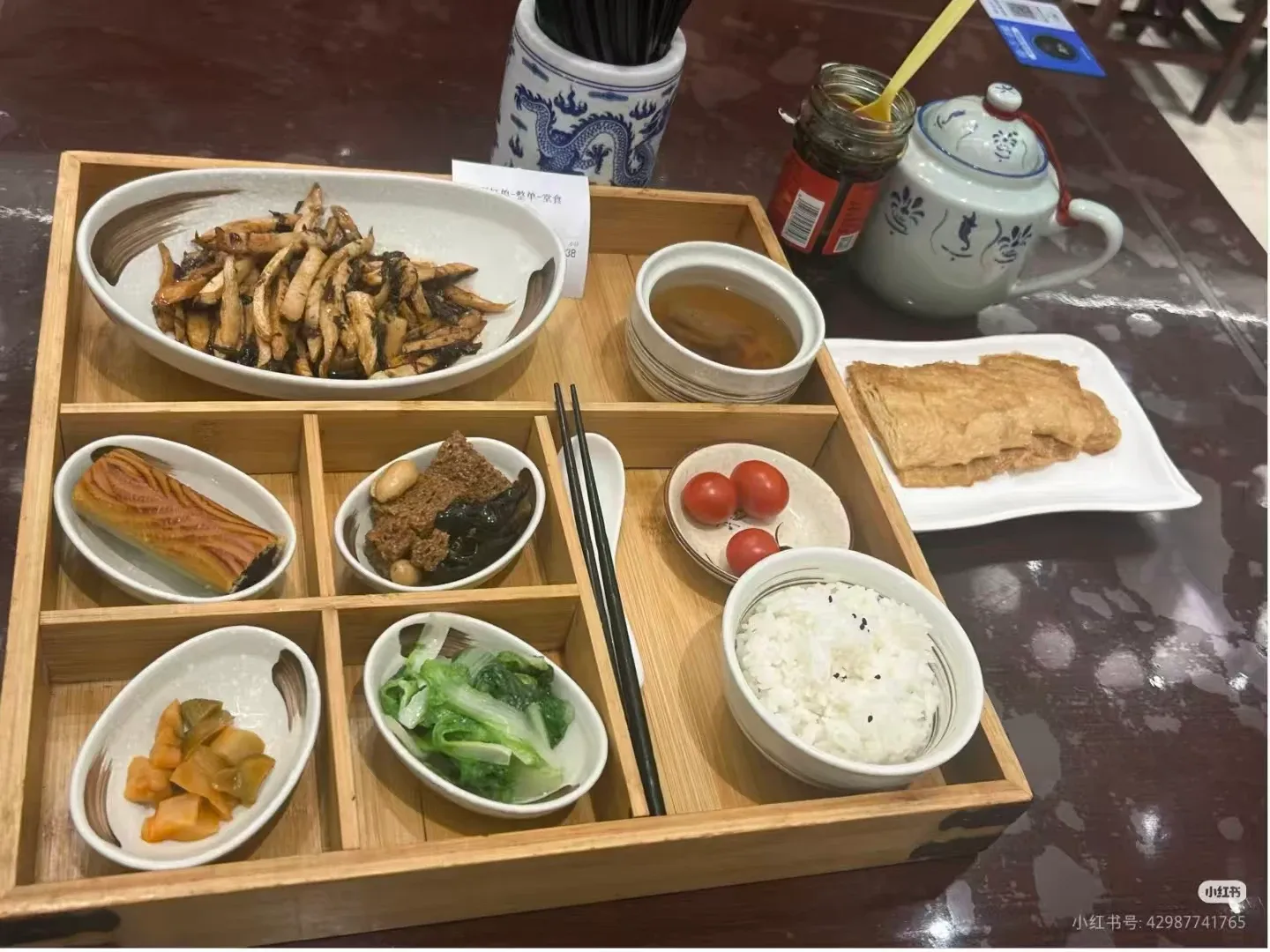
You can eat noodles and vegetarian dishes inside Jade Buddha Temple (玉佛寺). I would make it a simple lunch during a temple visit.
The thing I remember most about the luohan noodle soup is the red date. Its flavour worked into the broth and made the bowl distinctive. I also liked the vegetarian duck and vegetarian ham.
Allow around ¥40 per person for a modest meal with a few extras. It is an easy way to give one lunch over to vegetarian cooking without making it a big occasion.
If you are vegan, explain that you avoid eggs and dairy as well as meat, and ask about the dishes you want to order.
How I would fit these meals into a Shanghai day
Around Yu Garden, I would combine Nanxiang with Huxinting if I wanted both dumplings and tea. Keep the rest of the time for exploring the old town.
Around Anfu Road and Wukang Road, choose RAC for brunch or Baker & Spice for a lighter meal. You only need one. Leave the time between meals for the streets and shops.
Around Jing’an Temple, Xiangchun Story and AKALCHA make a useful food-and-tea pairing. I would give the vegetarian meal enough time, then decide whether I still wanted tea afterwards.
Make a crab dinner or special restaurant booking the main food commitment of its day. A heavy brunch, crab roe rice and a large dinner would be too much for me. My first-time Shanghai guide will help you fit meals around the rest of the trip.
Budgeting, ordering and reservations
These are the rough amounts I would set aside for planning, excluding alcohol. The bill will depend on your order, especially when seafood is involved.
| Type of stop | Allow roughly, per person | What changes the bill |
|---|---|---|
| Simple buns, noodles or a snack meal | ¥30–60 | Extra dishes and premium fillings |
| Brunch or a casual restaurant meal | ¥80–180 | Drinks, sides and the size of the order |
| A shared Shanghainese dinner | ¥180–300 | Seafood, portion sizes and dishes shared |
| A special seafood or fine-dining meal | Ask for the total for your chosen menu | Ingredients, weight, drinks and service charges |
A basket of buns can cost much less than the first range, while a seated dumpling meal can cost more. For tea, check whether you are paying for a cup, a pot or a package for the table.
Save the Chinese names of a few dishes before you go. For a booked dinner, ask about anything you particularly want to eat, and confirm the terms if a deposit is required.
It also helps to have payment sorted before you are standing at the counter. My guide to paying in China covers foreign cards, mobile wallets and the things that can cause trouble.