Where to Stay on the Kumano Kodo for First-Time Walkers
When I first started researching “stay on the Kumano Kodo”, almost every guide was the full hardcore Nakahechi version. But that was not what I wanted at all.
I wanted to experience the route, see more of the Kii Peninsula, and I was traveling with my 65-year-old parents, so the classic version felt too hard for our family. In the end, what worked for us was a bus-assisted version with the best walking sections, shrine stamps, and onsen reward after.
The problem was that all the useful info was very scattered, and the biggest pain point was luggage. Really, luggage can destroy your mood very fast. We even argued once because of it. So this guide is the version I wish I had before booking anything.
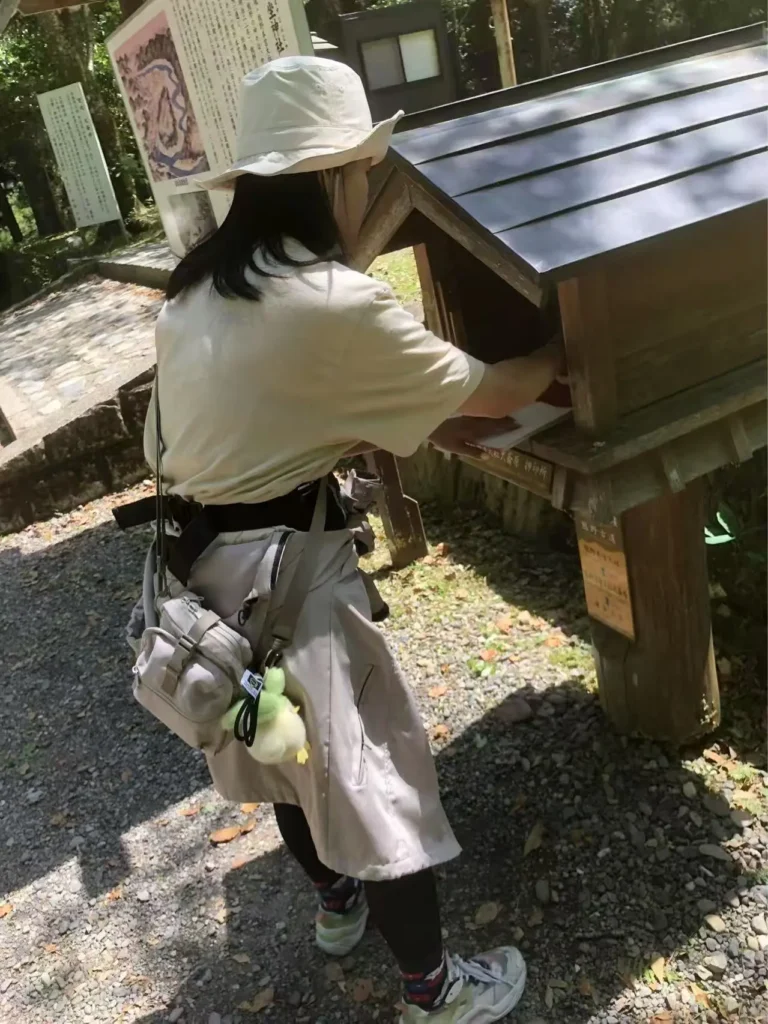
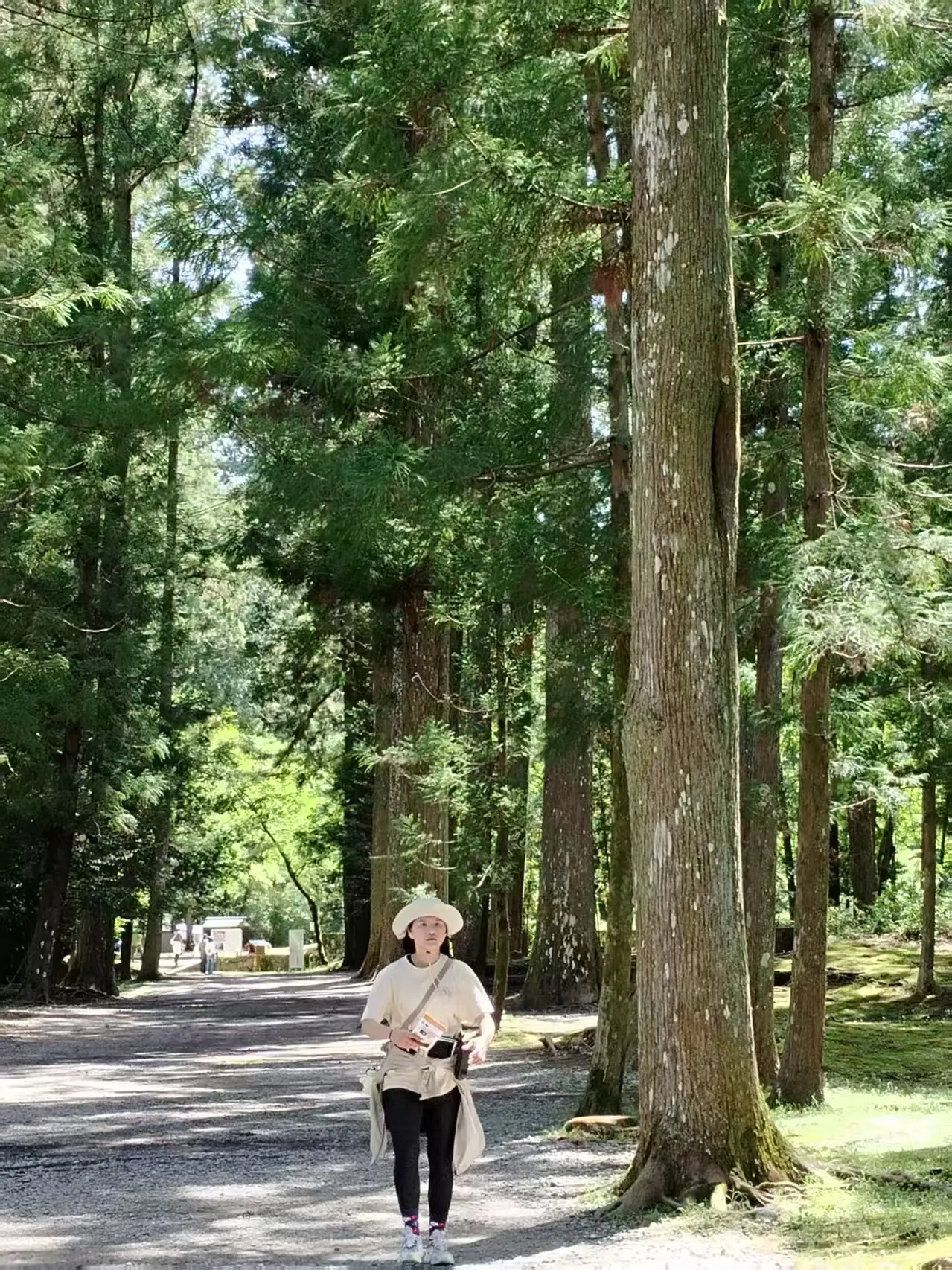
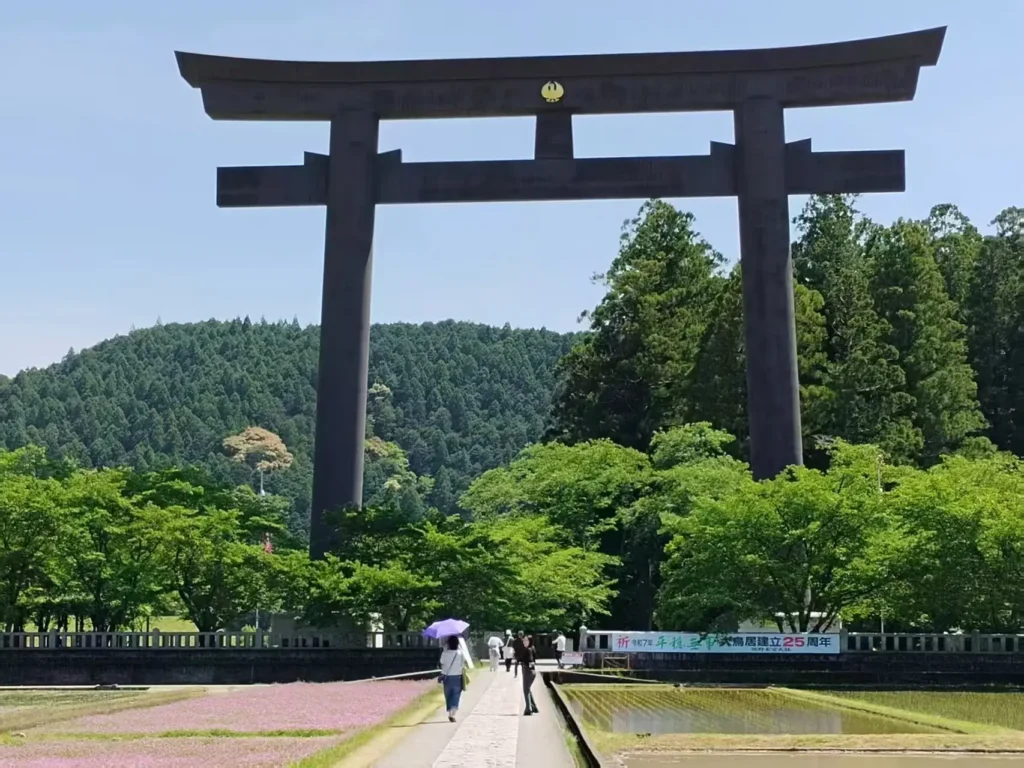
- Best place to stay before you start: Kii-Tanabe
- Most important classic Nakahechi stop: Chikatsuyu
- Best overall onsen-town stay for first-timers: Kawayu Onsen
- Most atmospheric world-heritage onsen stay: Yunomine Onsen
- Best practical base around the spiritual center of the route: Hongu area
- Best post-hike extension: Kii-Katsuura
- If you only remember one rule: on the Kumano Kodo, your overnight stop should make the next day easier
This matters because on the Kumano Kodo, your overnight choice affects:
- how much you can realistically walk the next day
- whether local buses still work for your plan
- whether you will get dinner without stress
- whether you can rest in an onsen
- whether the route still feels enjoyable by day three
This guide is for two kinds of readers:
- people doing the classic Nakahechi walking sequence
- first-timers doing a shorter, bus-assisted version like I did
If your dates are fixed, I would book these in this order:
- Chikatsuyu if you are doing the classic Nakahechi route
- Yunomine or Kawayu because onsen-town inventory goes fast
- Kii-Katsuura, especially if you want Hotel Urashima or better-view rooms
- Kii-Tanabe once your train / arrival timing is locked in
On the Kumano Kodo Town Comparison
| Town | Best For | Why Stay Here | Food Reality | Booking Pressure |
|---|---|---|---|---|
| Kii-Tanabe | Pre-trail setup | Pick up pilgrim materials, check bus times, send luggage, sleep near the starting logic | Easiest place to shop and eat before the trail | Moderate |
| Chikatsuyu | Classic Nakahechi walkers | Important mid-route overnight that keeps the classic walking rhythm intact | Limited, often better with dinner included | High |
| Kawayu Onsen | First-timers who want recovery + easier booking | Onsen town with stronger lodging comfort and a very satisfying reward-night feel | Better than tiny trail villages, but still plan ahead | High |
| Yunomine Onsen | Walkers who want the most atmospheric overnight | World-heritage bath, pilgrimage atmosphere, tiny and memorable | Thin food options, plan carefully | Very high |
| Hongu area | Bus-assisted first-timers and shrine-focused stays | Around the spiritual core of the route, practical if you finish the Hongu segment late | More forgiving than many trail villages | Medium to high |
| Kii-Katsuura | Post-hike extension | Tuna town, cave onsen hotels, sea views, and a very smart place to stay longer | Best food situation on this list | High |
Where to Stay on the Kumano Kodo: First Choose Your Route Style
This is the step many people skip. They start searching hotels first, before they even decide what kind of Kumano Kodo trip they are actually doing.
Option A: You are doing the classic Nakahechi route
- you want the more standard pilgrimage rhythm
- you expect to walk most days
- you want your overnights to follow trail logic
A very workable first-time sequence is:
- Night 0: Kii-Tanabe
- Night 1: Chikatsuyu
- Night 2: Kawayu Onsen or Yunomine Onsen
- Night 3: Kii-Katsuura
- Night 4: Kii-Katsuura again or depart after the Nachi side
| Night | Stay | Why it works |
|---|---|---|
| Night 0 | Kii-Tanabe | Setup night for luggage, bus times, and stamp book |
| Night 1 | Chikatsuyu | Keeps the classic Nakahechi rhythm intact |
| Night 2 | Kawayu or Yunomine | Best recovery point around the Hongu side |
| Night 3 | Kii-Katsuura | Smart finish-town move after the inland trail logic ends |
| Night 4 | Kii-Katsuura again or depart | Lets Nachi / Daimonzaka breathe instead of becoming a rushed exit day |
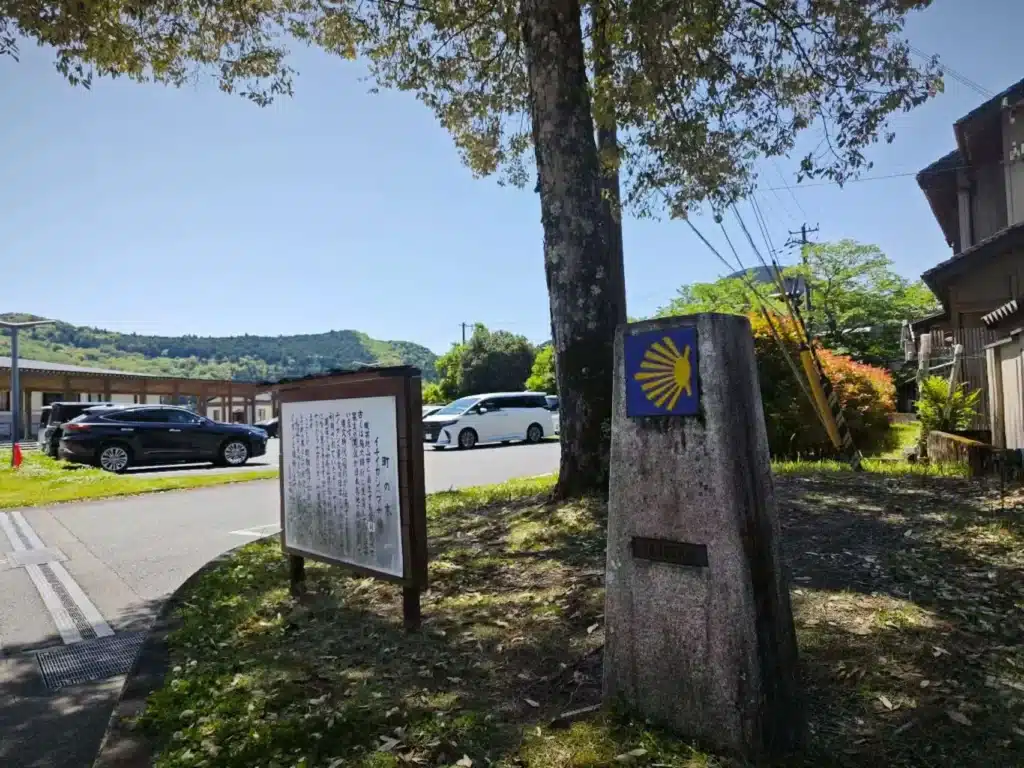
Option B: You are doing a shorter, bus-assisted first trip like I did
- you are not a hardcore hiker
- this is your first Kumano trip
- you still want the real trail feeling, shrine stamps, and major highlights
- you are happy to use buses strategically
My own version was more like this:
- setup around Shirahama / Kii-Tanabe
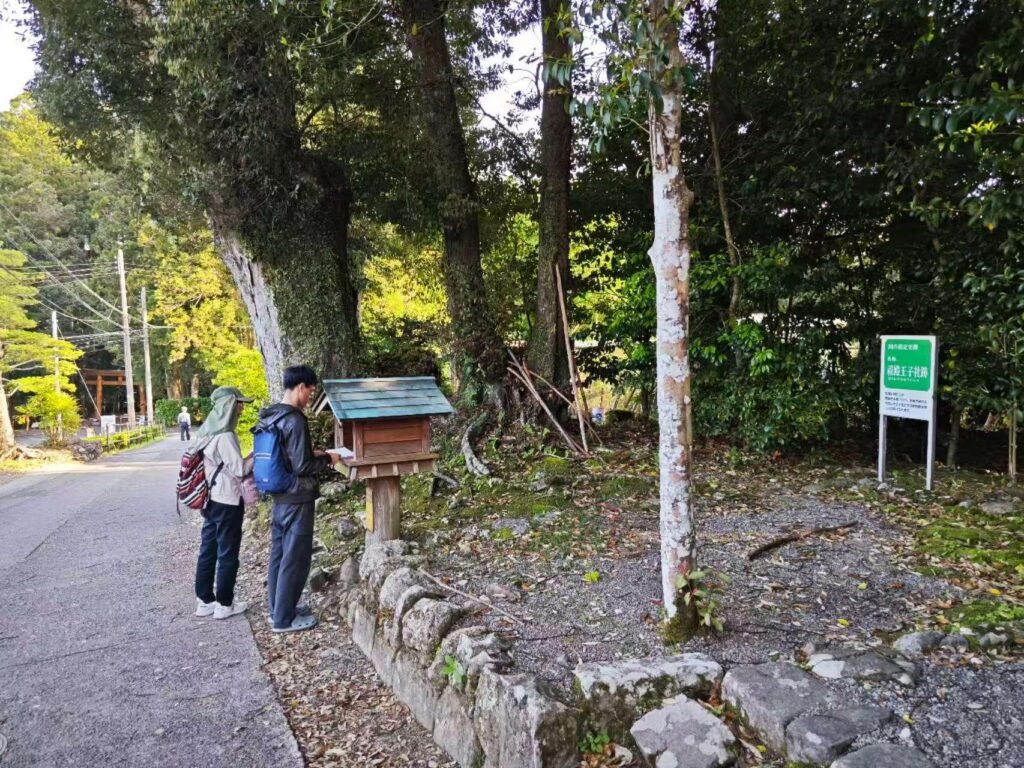
- walk the Hosshinmon-oji to Kumano Hongu Taisha section
- stay near Hongu
- continue by bus and boat-assisted logic toward Hayatama / Shingu / Kii-Katsuura
- finish with Daimonzaka + Nachi
This kind of trip is still very much Kumano Kodo. You are not cheating. You are just making the route fit your body, your travel style, and the kind of trip you actually want.
| Night | Stay | Why it works |
|---|---|---|
| Night 0 | Shirahama or Kii-Tanabe | Easiest setup before Kumano gets more rural |
| Night 1 | Hongu area | Great if you finish Hosshinmon-oji to Hongu later in the day |
| Night 2 | Kii-Katsuura | Better food, sea air, and a stronger reward stay |
| Night 3 | Kii-Katsuura again | Ideal if you want Nachi + cave onsen without rushing |
Kii-Tanabe — Best Place to Stay Before You Start
If you are starting the Nakahechi properly, I really recommend staying in Kii-Tanabe the night before. This is not the romantic stay of the trip. It is the setup night. But that is exactly why it matters.
Kii-Tanabe is where the route starts making sense. You can:
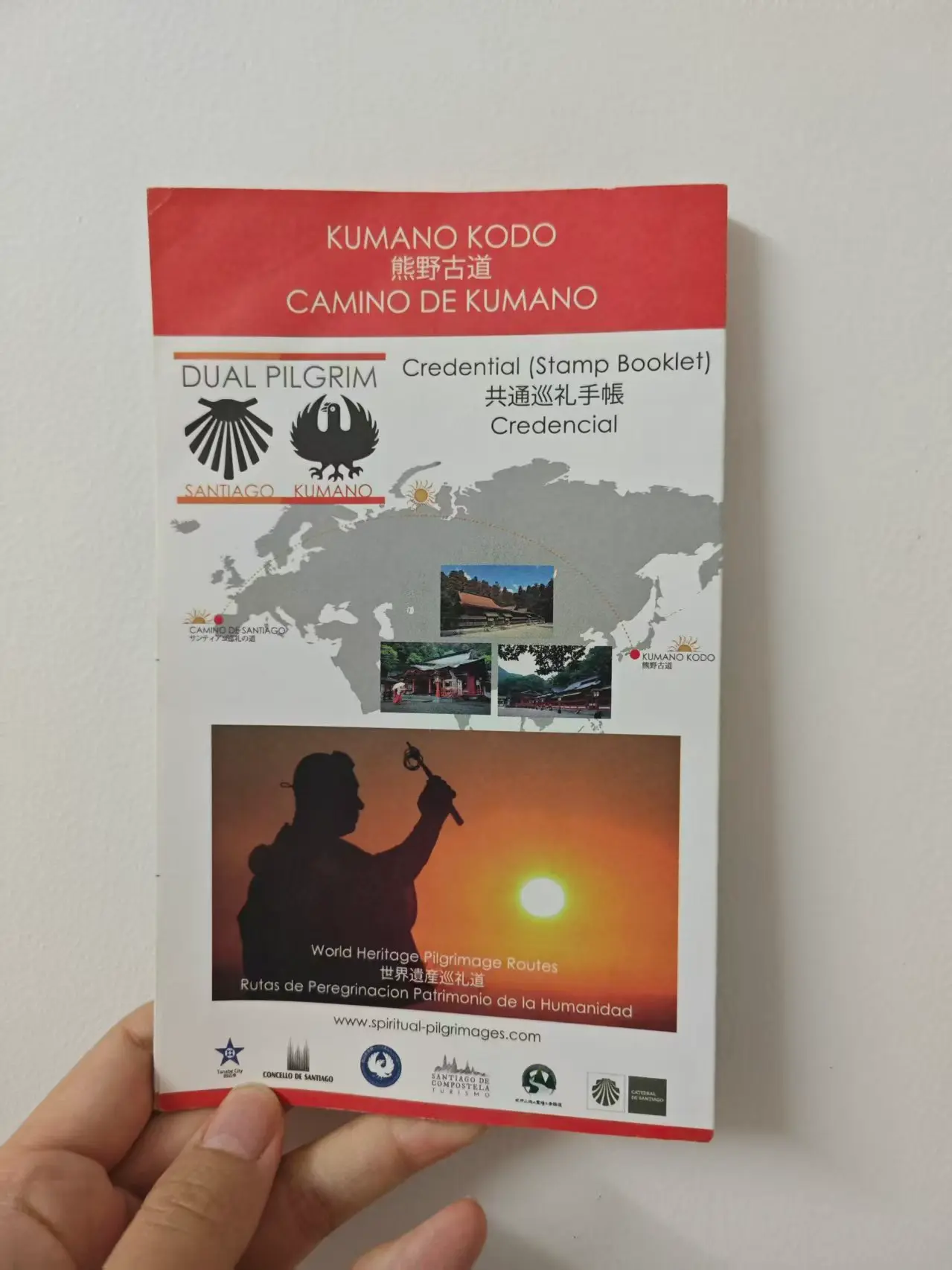
- pick up your pilgrim book / stamp materials
- check the latest bus schedules
- buy snacks and last-minute supplies
- sort out luggage before the trail
- sleep without making day one already too messy
If you came via Shirahama, this is still the cleanest handoff into the route.
Best for
- classic Nakahechi walkers
- first-timers who want a smoother start
- anyone who needs one practical organizing night before the trail
Practical fit
- Transport: easiest setup point for buses toward Takijiri-oji and the trail start logic
- Food: much easier than the trail villages
- Stay type: simple hotels, station-adjacent stays, practical first-night accommodation
- Why it matters: this is where you solve logistics before Kumano gets rural
Chelsea’s POV
For me, Kii-Tanabe is almost always worth one night if this is your first Kumano Kodo. It is not exciting, but it makes everything after feel easier. Once your bus times, snacks, stamp book, and luggage are sorted, your brain can relax a bit.
Chikatsuyu — Most Important Classic Mid-Route Stop
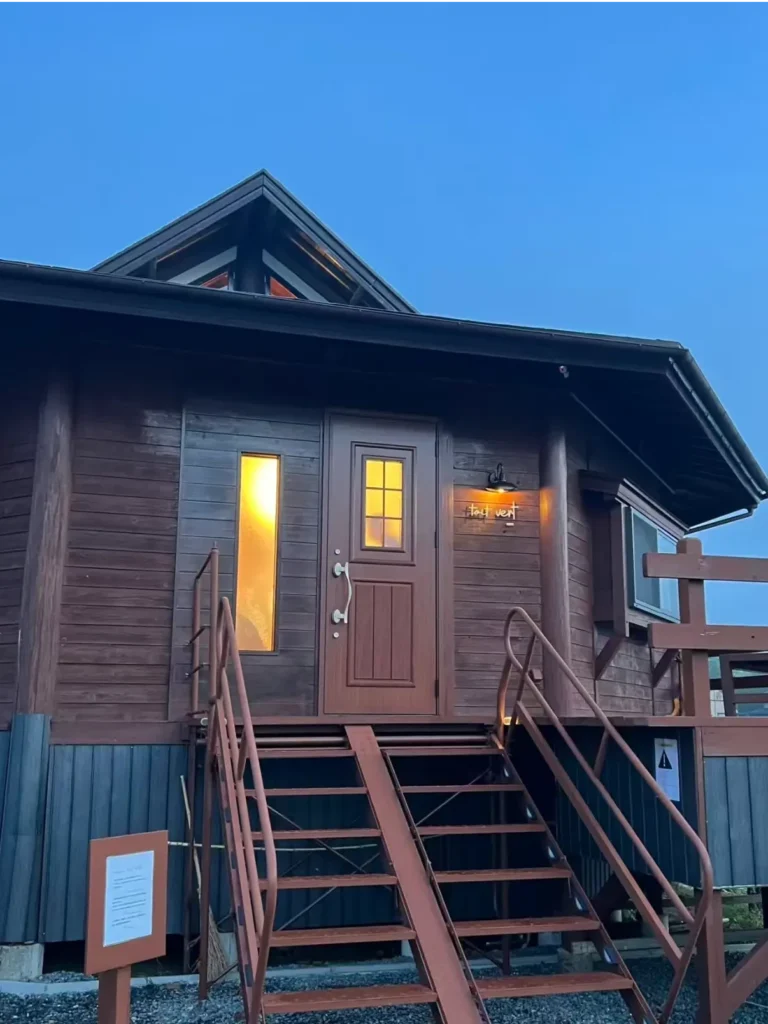
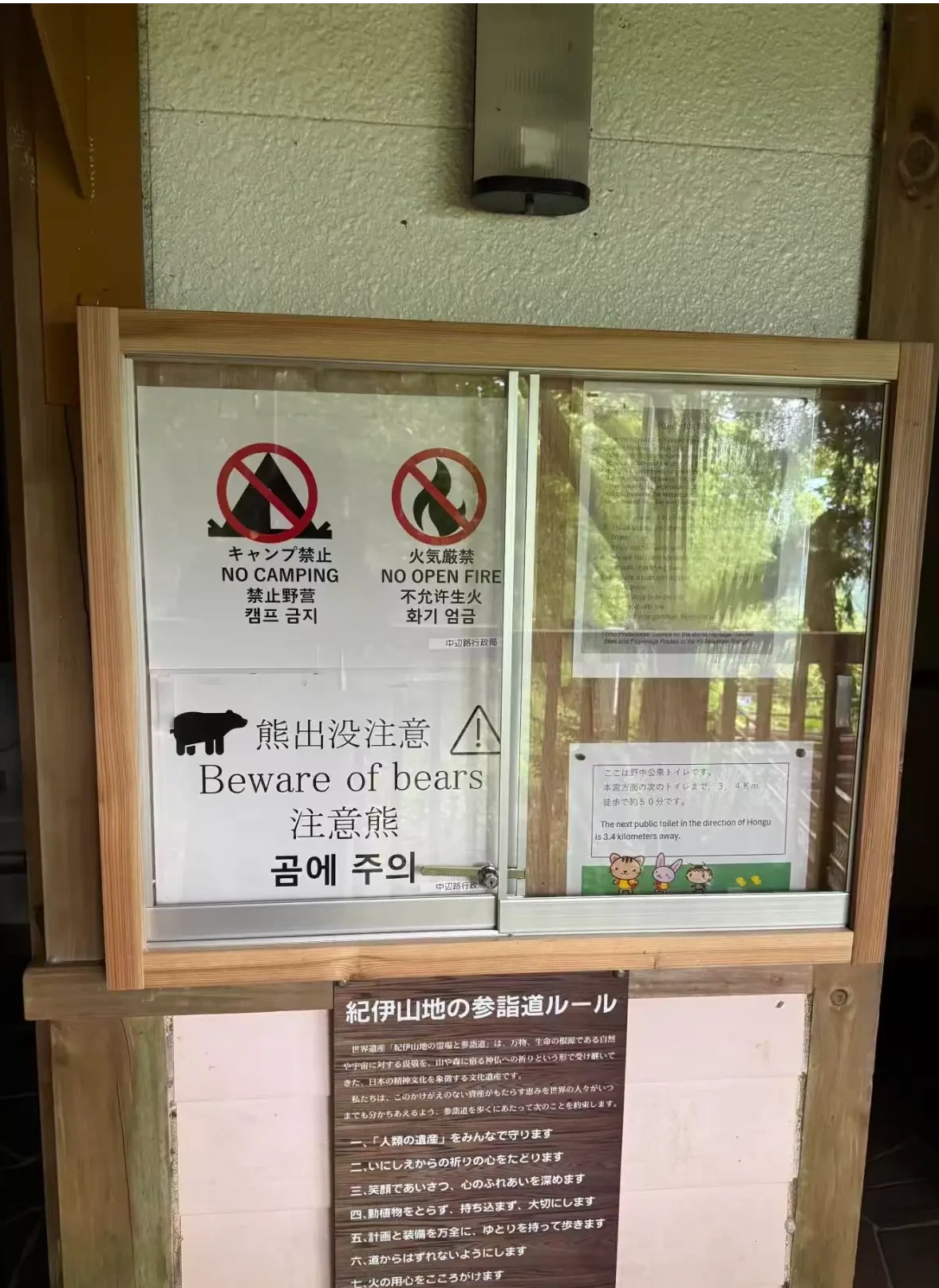
If you are doing the classic Nakahechi version, Chikatsuyu is important.
This is where classic first-timers often need to sleep if they want the standard forest progression from Kii-Tanabe toward the Hongu side. If Chikatsuyu sells out, the whole shape of the route starts shifting.
Best for
- first-timers doing the classic Nakahechi sequence
- walkers who want the feeling of a real trail village overnight
What to know
- food choices are limited
- many stays rely on included dinner and breakfast
- this is not the place where I would expect lots of restaurants to save me late at night
- this is one of the nights I would prioritize early in the booking process
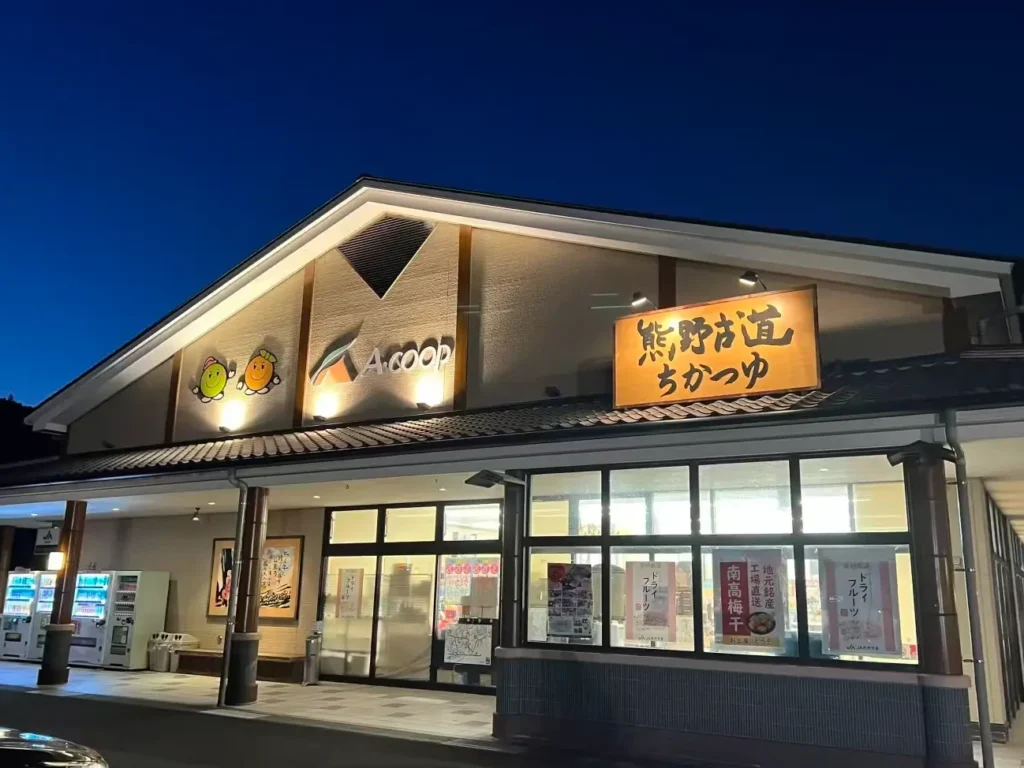
Practical fit
- Transport: important stop within the classic route logic
- Food: limited enough that meal-included stays matter
- Stay type: traditional inns, trail-oriented lodgings, practical overnights rather than splurge stays
- Why it matters: if this town sells out, your route gets harder to shape
Chelsea’s POV
For the classic Nakahechi version, I think Chikatsuyu is really important. But I would not sell it like some dreamy little village stay. It is important because it works. That is the main point.
Kawayu Onsen — Best Overall Onsen-Town Stay for First-Time Walkers
If I had to recommend one onsen-town stay to most first-time Kumano Kodo walkers, I would probably start with Kawayu Onsen. It gives you something very valuable on this route: real recovery without too much trouble.
Kawayu is the kind of place that makes you feel, ah yes, this is why I came. You get the onsen-town atmosphere, more comfort than the smaller trail stops, and the fun factor of the river hot spring culture. If you are the kind of first-timer who still wants to enjoy the route on day two and day three, Kawayu is a very strong choice.
Best for
- first-timers who want a stronger recovery night
- travelers choosing between atmospheric authenticity and practical comfort
- walkers who want an onsen stay that feels easier to book and easier to enjoy
Practical fit
- Transport: works well within both classic and easier Kumano versions
- Food: better than the smallest villages, but still not a place to be careless
- Stay type: more substantial ryokan and onsen-hotel style stays
- Why it matters: one of the best “reward nights” in the whole trip
Chelsea’s POV
Kawayu makes a lot of sense to me for first-timers because the happiness is very immediate. You arrive tired, then you soak, eat, rest, and suddenly Kumano feels much more lovable again.
Yunomine Onsen — Best for Atmosphere, Ritual, and Mid-Hike Soul
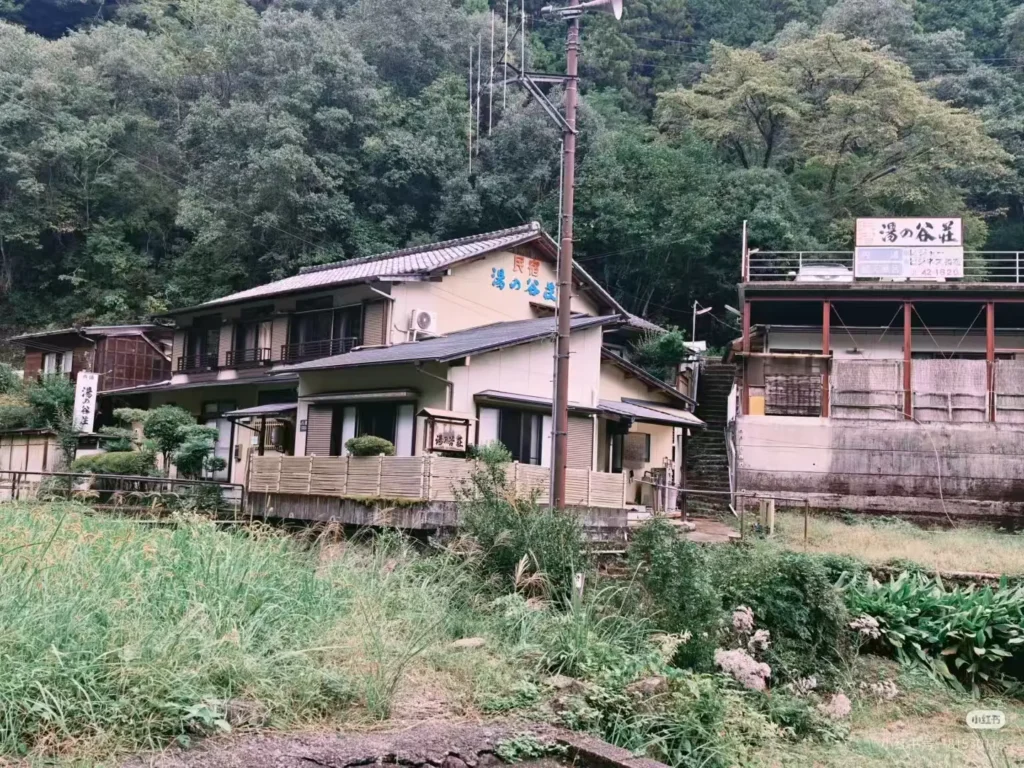
This is where the Kumano Kodo starts feeling not just like a hike, but like a very specific world-heritage experience. The tiny lanes, the historic bath culture, and even simple rituals like boiling eggs or sweet potatoes in the hot spring water make this place feel different from a generic hot-spring stop.
Best for
- walkers who want the strongest sense of pilgrimage atmosphere
- people who care about the ritual and story side of Kumano
- anyone who wants the overnight with the most “I’m really here” feeling
Practical fit
- Transport: absolutely workable, but not the most frictionless stay on the route
- Food: limited enough that planning matters
- Stay type: small inns, atmospheric minshuku, limited onsen-town inventory
- Why it matters: probably the most soulful overnight on the route
Chelsea’s POV
Yunomine feels the most special in a spiritual and symbolic way. But I would not make it the default answer for everyone. You stay here because you want this exact feeling, and you do not mind planning a bit more around it.
Hongu Area — Best Practical Base Around Kumano Hongu Taisha
The Hongu area matters because it is both spiritually central and surprisingly practical.
Many people think of it only as the place where they visit Kumano Hongu Taisha and collect their stamp. But depending on how you are doing the route, it can also be a very smart place to sleep.
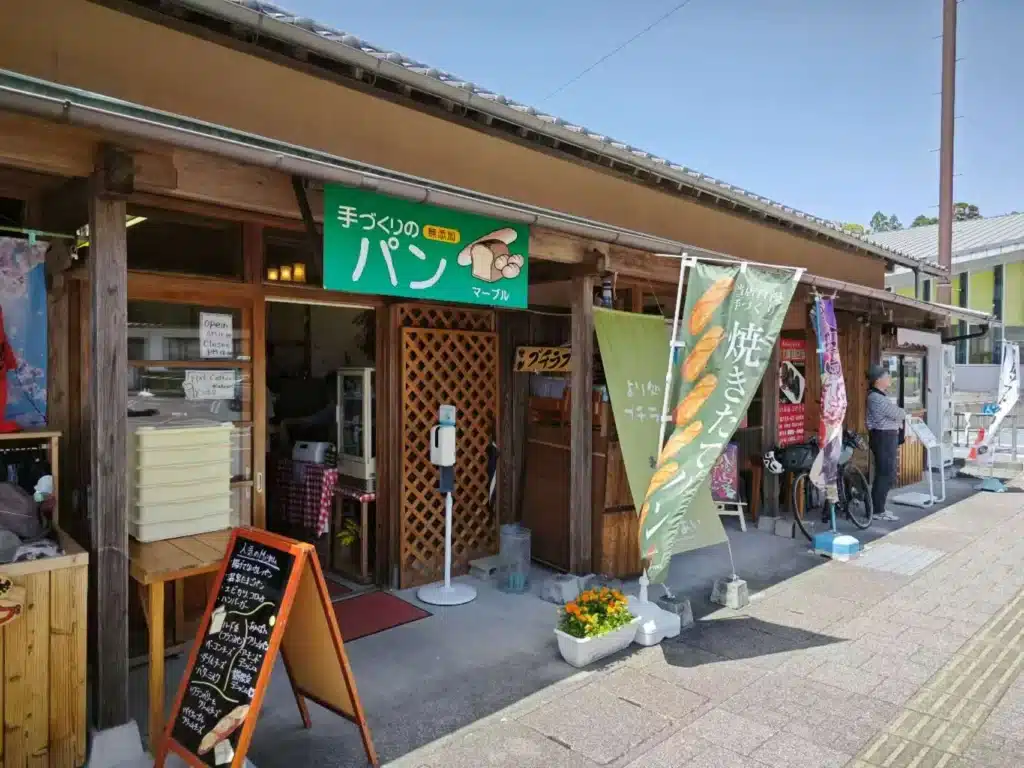
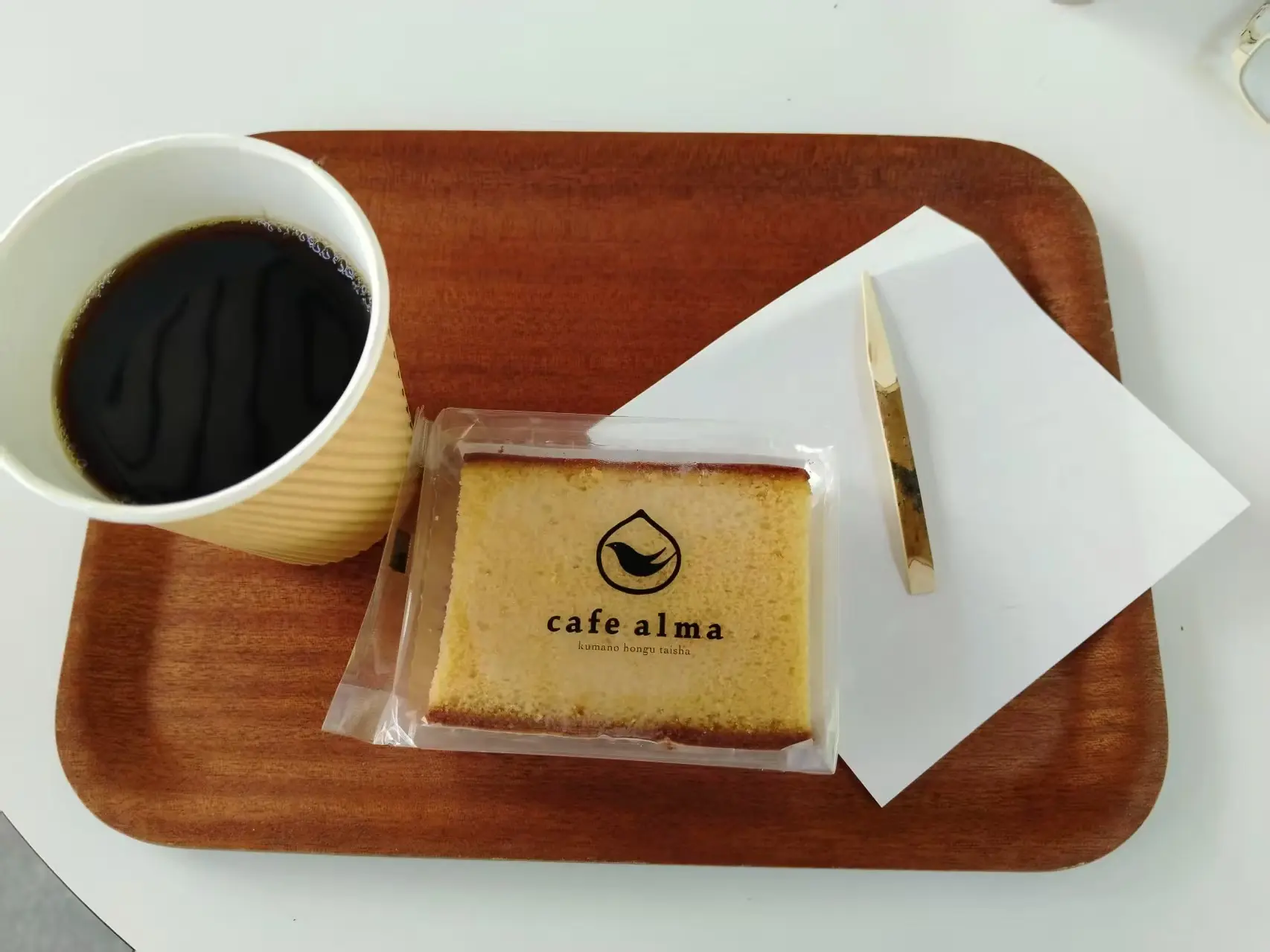
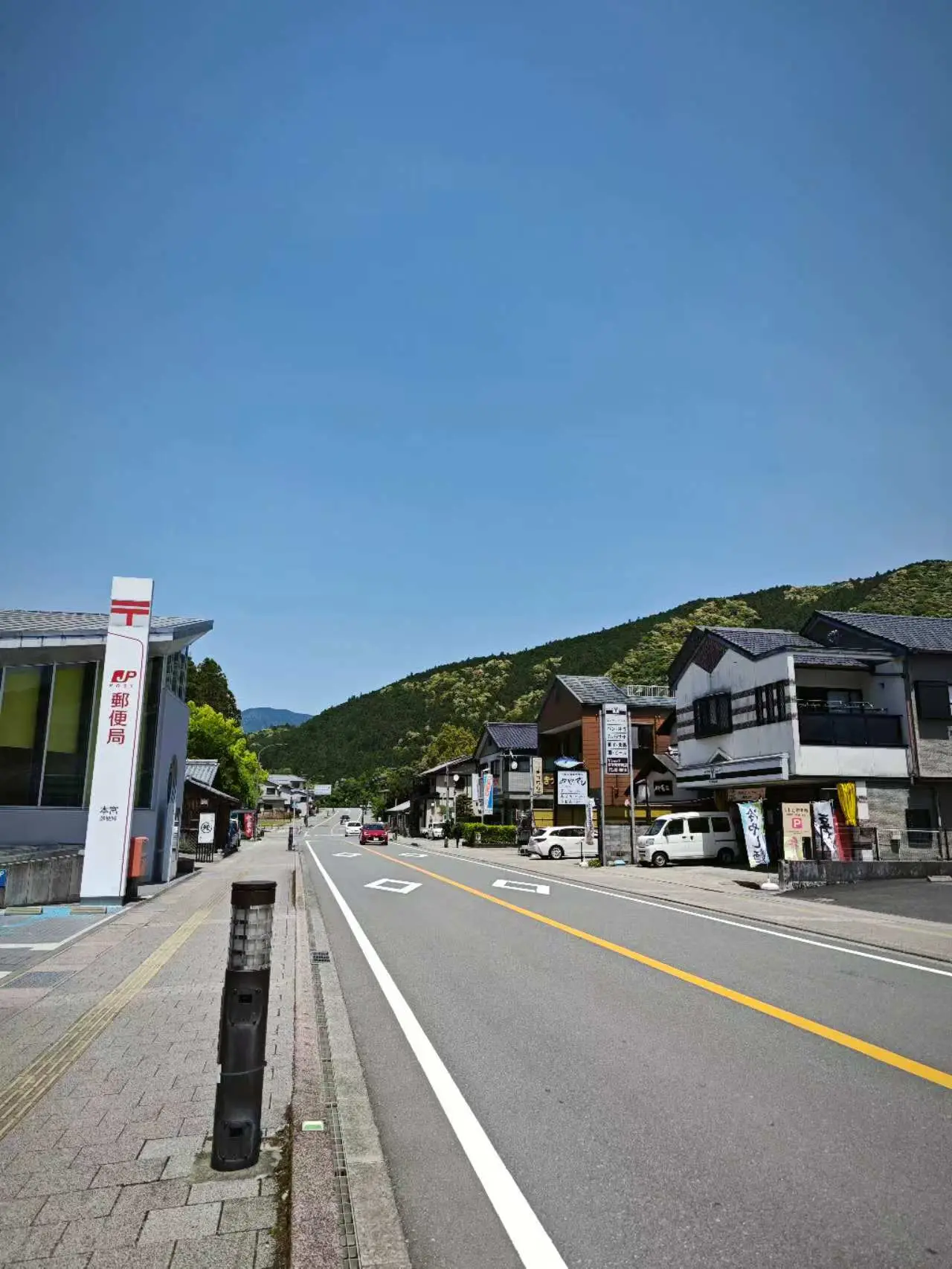
On my easier first trip, one of my most practical overnights was in an Airbnb on the street in front of Kumano Hongu Taisha. It worked extremely well because if you finish the Hosshinmon-oji to Hongu segment later in the day, staying right there removes a lot of stress.
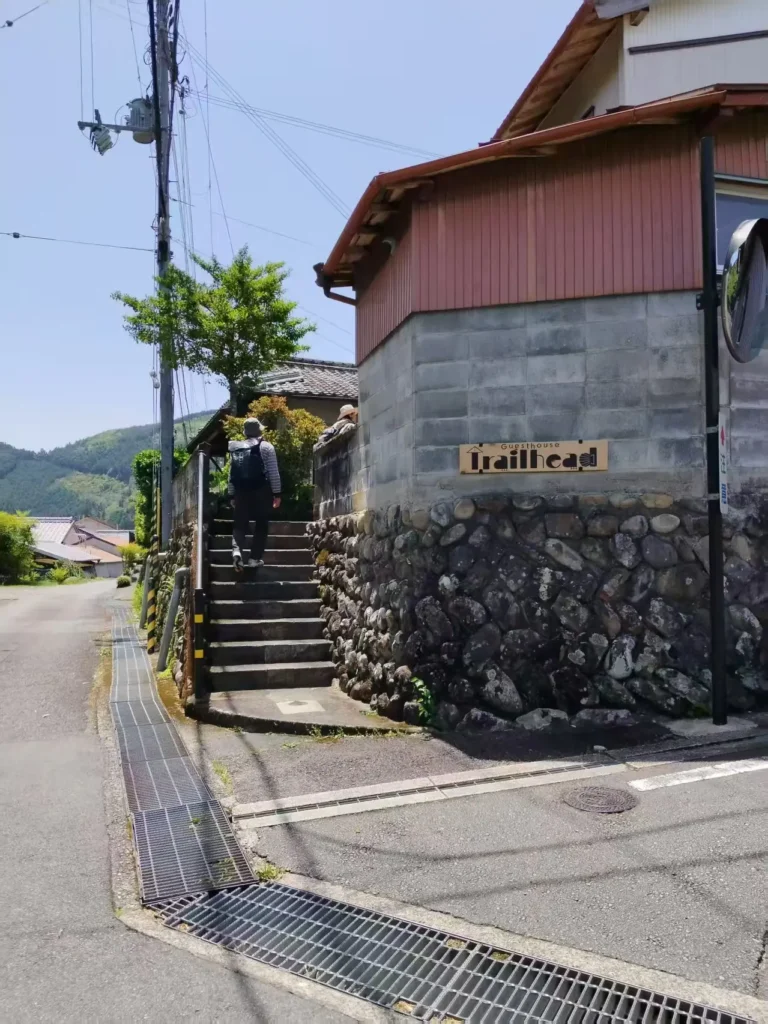
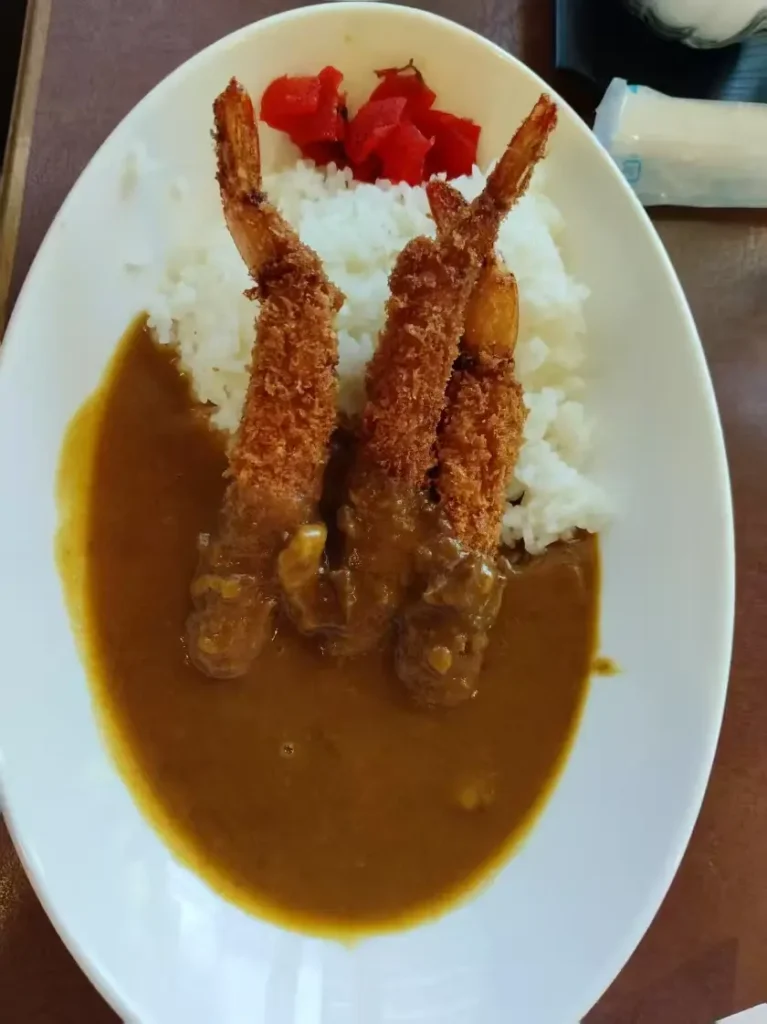
The front street has real atmosphere, and more importantly, it is easier to function than many people expect. There is a supermarket nearby, and I did not need to panic about dinner. I could buy cup noodles, microwave food, and other easy backup meals. The Airbnb itself also provided basics, which made the night feel low-pressure instead of logistically fragile.
Best for
- first-timers doing a bus-assisted or mixed-style route
- travelers finishing the Hongu segment later in the day
- people who want to stay close to the route’s spiritual center without forcing a tiny trail-village sleep
Practical fit
- Transport: strong because Hongu is such an important route node
- Food: better fallback options than many trail stops if you stay near the main street
- Stay type: small guesthouses, Airbnbs, practical local stays
- Why it matters: lets the Hongu segment breathe instead of turning it into a rushed transit day
Chelsea’s POV
If you are doing an easier first trip and end up in Hongu later in the day, staying near the shrine area makes a lot of sense. It felt much calmer than trying to force one more move after already finishing the walking part.
Kii-Katsuura — Best Post-Hike Extension, and Worth Two Nights
If there is one place I would tell readers not to underestimate, it is Kii-Katsuura.
This is not just “the place after the hike.” It is one of the smartest and most rewarding places to stay on the whole trip. I stayed at Hotel Urashima for the cave onsen experience, and I strongly recommend it if that kind of finish appeals to you. My only regret is that I stayed just one night.
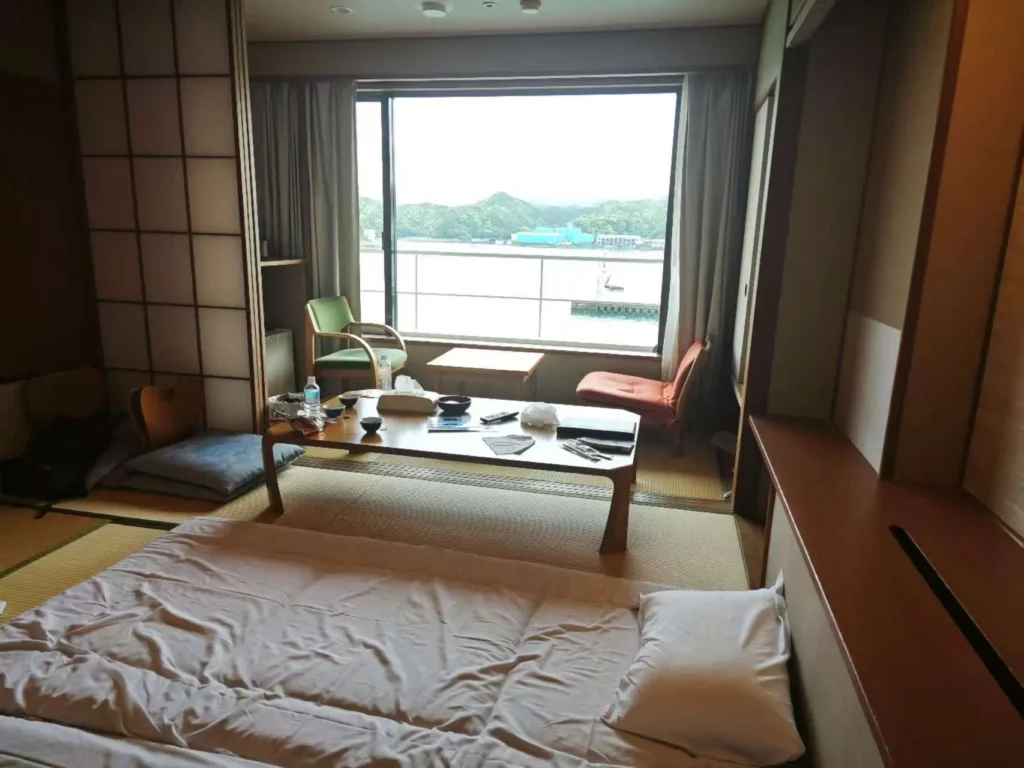
Kii-Katsuura is where the Kumano Kodo starts feeling like travel again. You come out of trail logic and back into pleasure: sea air, tuna, port-town energy, better food, and the chance to finish in comfort instead of just rushing away.
If I do it again, I would stay 2 nights in Kii-Katsuura without hesitation.
Why it is worth longer
- cave onsen / hotel experience
- tuna and very fresh seafood
- a much stronger “reward stay” feeling
- access for Daimonzaka + Nachi plans
- enough character to work as a real extension base, not just a sleep stop
Booking lesson
This town should be booked early. And remember to book 海つばめ the izakaya at the front desk.
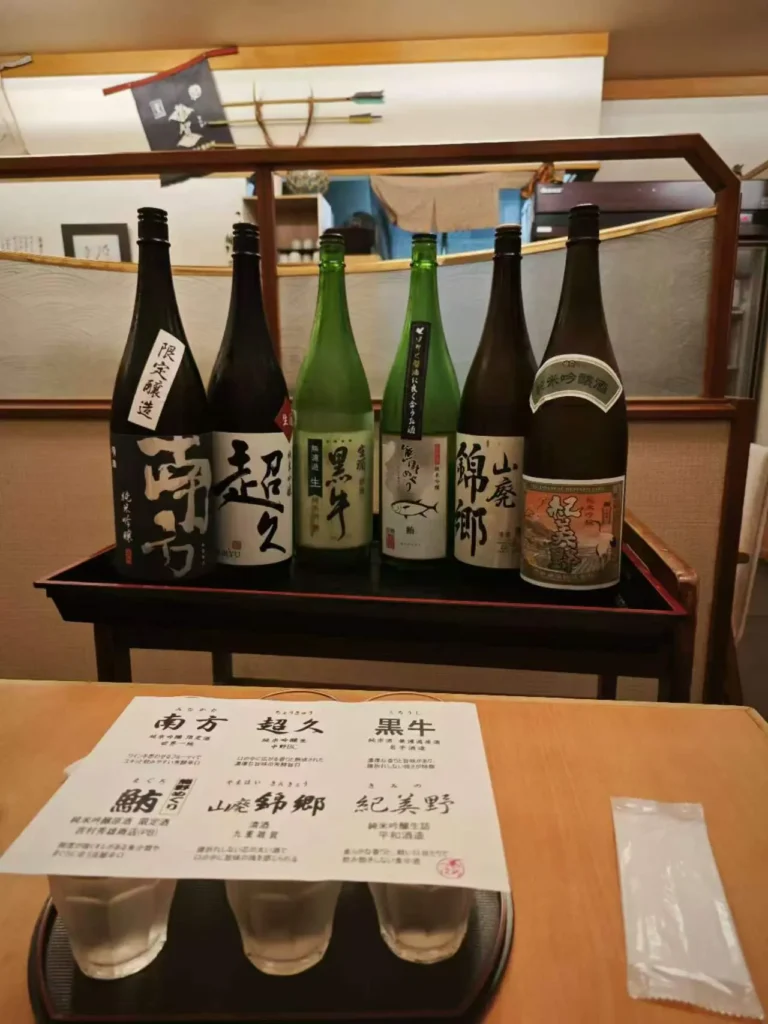
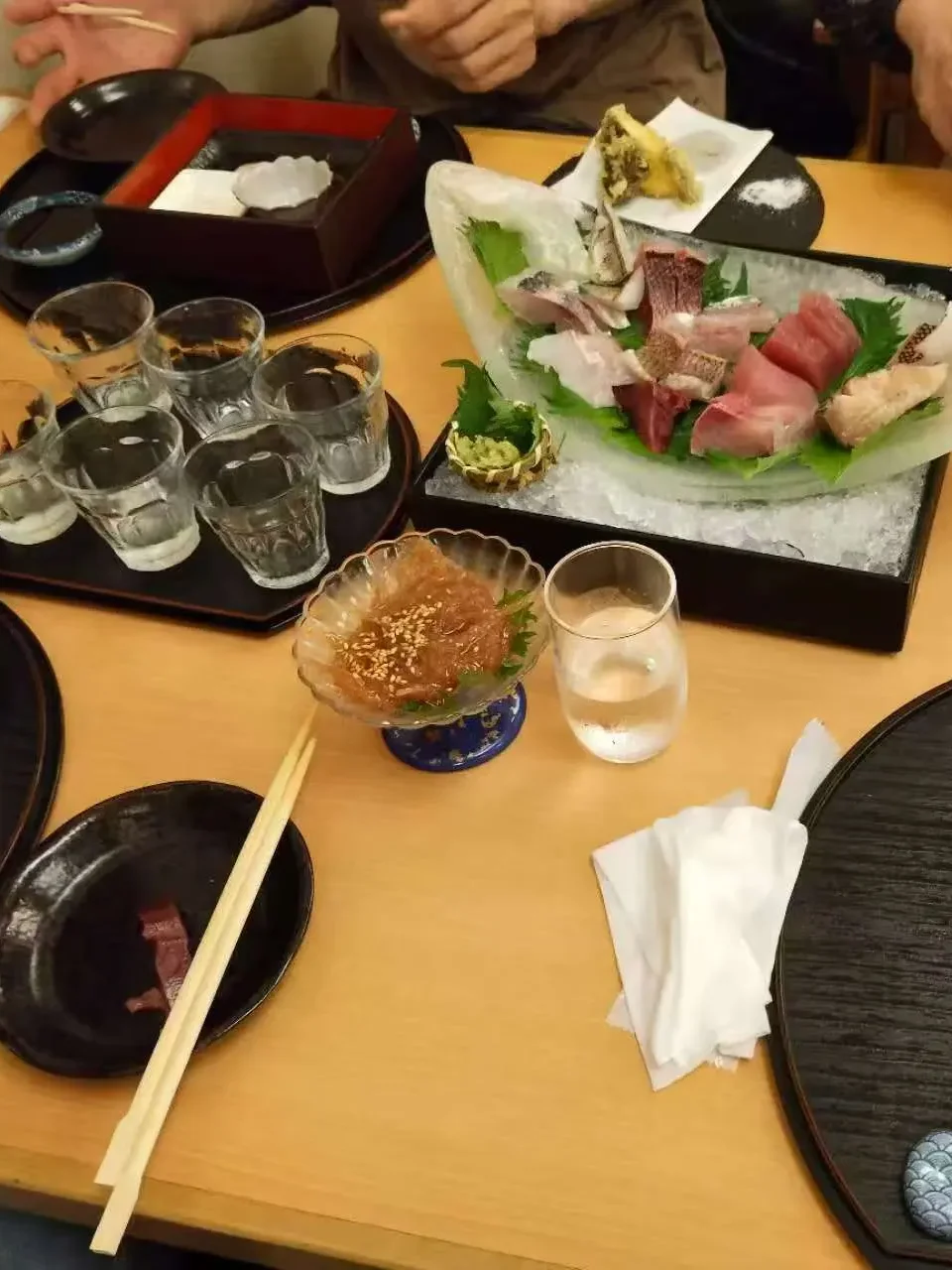
Even when I booked around two months in advance, the most desirable sunrise-facing building options at Hotel Urashima were already gone. That is exactly why this town belongs in the “common mistakes” section later: people do not prioritize Kii-Katsuura early enough.
Practical fit
- Transport: excellent as a finish-town base and extension point
- Food: best food situation on this list by far
- Stay type: hotel stays, cave onsen experiences, port-town lodging, extension-friendly nights
- Why it matters: one of the best places to end strong
Chelsea’s POV
I really think Kii-Katsuura deserves more than one night if you can make it happen. It is not just a transport point after Nachi. For me, it is one of the most enjoyable parts of the whole trip.
Luggage Strategy — Send the Big Bag to Your Final Night
If this is your first Kumano Kodo, my simplest luggage advice is:
Send your main suitcase to your final night.
We sent our bigger bag from the Lawson side of the setup phase around Shirahama / before Kii-Tanabe departure, and it was so much less stressful than trying to keep a large suitcase in play across multiple rural overnights.
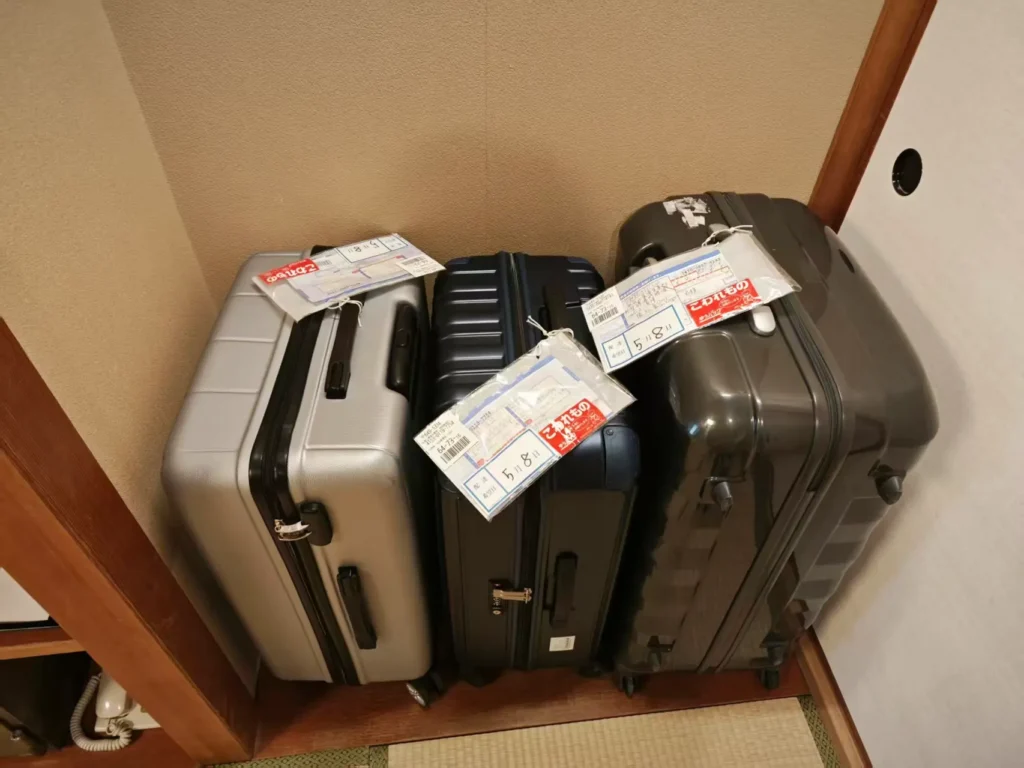
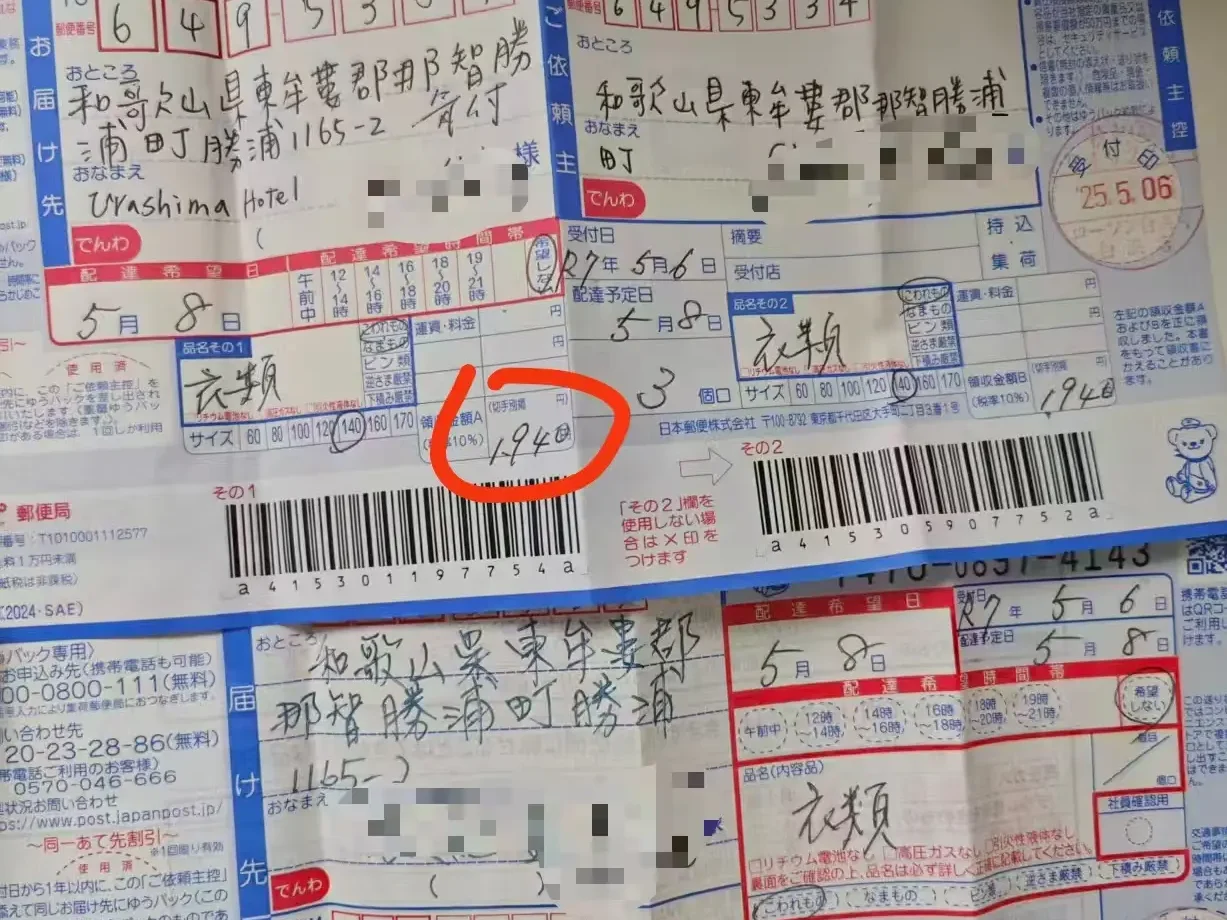
I do not think first-timers should overcomplicate this by trying to optimize every inn around luggage forwarding. We sent two bags from the Shirahama setup stage to Hotel Urashima for around JPY 4,000 total (USD 25).
Once you lock in the key towns, luggage becomes a much easier problem. You can solve it with convenience-store shipping or the official luggage services.
- Keep one small trail backpack with 2-4 days of clothes, toiletries, and snacks
- Send your big suitcase from the Shirahama / Kii-Tanabe setup stage to your final-night hotel
- Do not drag full luggage through the route unless you want your tiredness to double
- If you are already stressed, luggage is the thing most likely to make the whole day feel worse
This sounds dramatic, but I really mean it. We argued once because of luggage, and it made the tiredness feel double.
Food Reality — Where You Need Dinner Included
One of the biggest first-time Kumano mistakes is assuming you can just “find dinner later.”
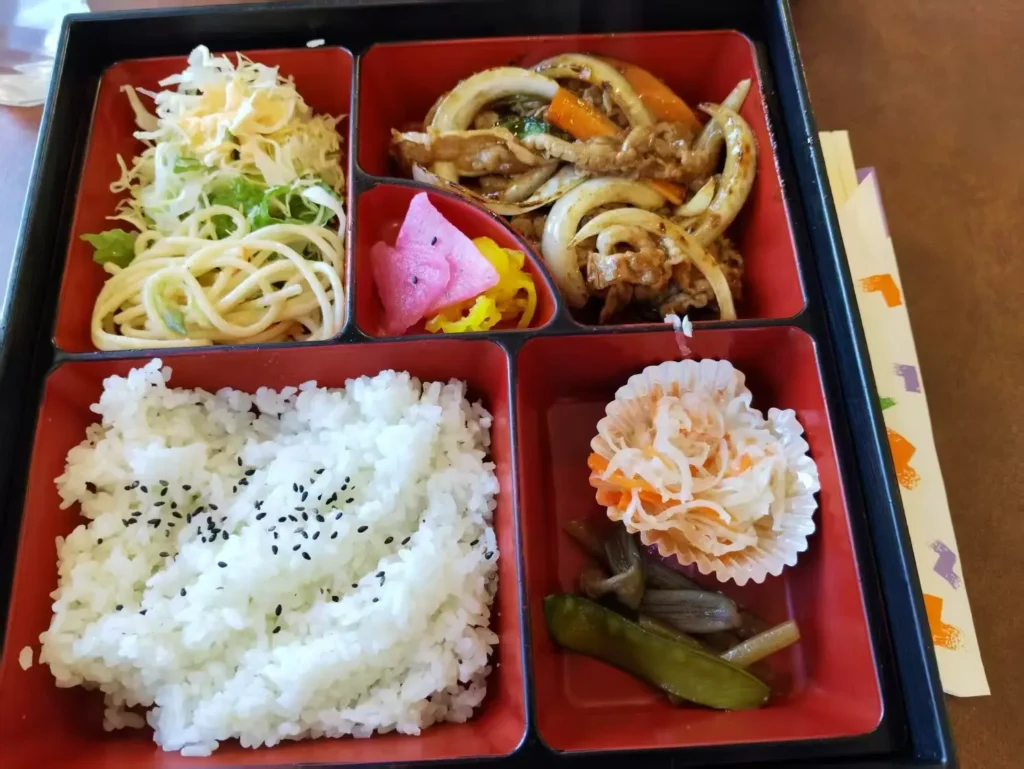
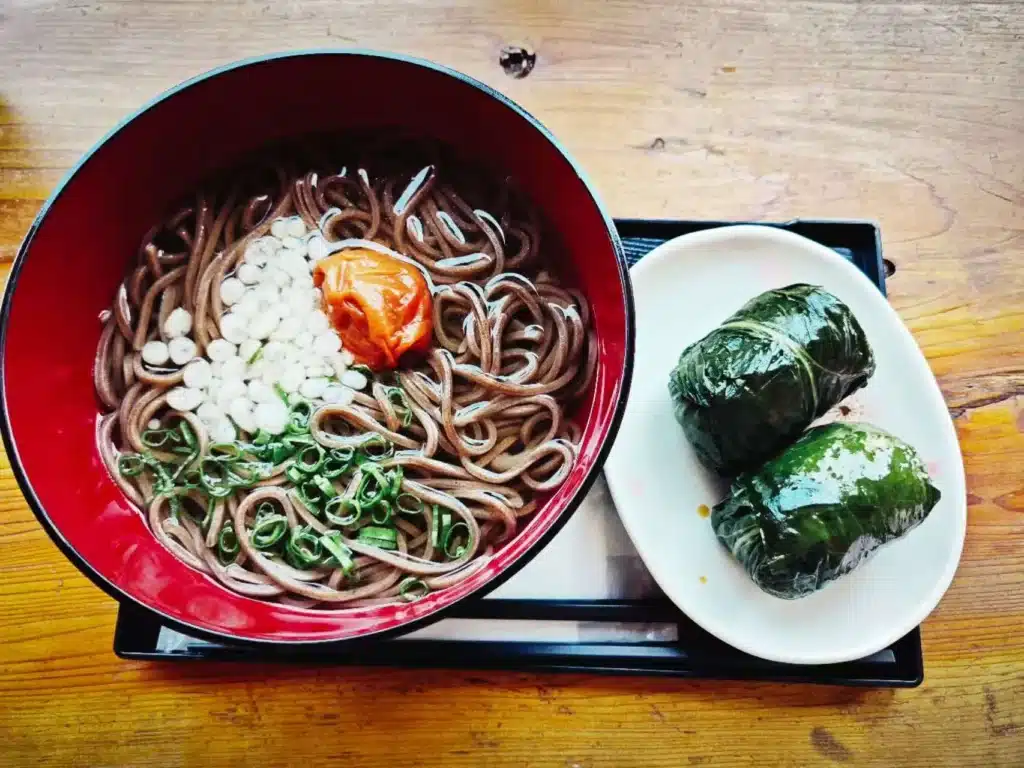
The most important reality check is that between Chikatsuyu and the Hongu side, food can be thin. Many stays depend on included meals or packed lunches. If your inn offers dinner and breakfast, that may matter more than whether the room is cuter.
Hongu is more forgiving than some trail villages. Kii-Katsuura is the easiest place on the route to relax about food. But on the middle sections, I would plan with more caution.
Practical rule
If you are staying in a classic trail-village stop, I would strongly prefer meal-included bookings whenever possible.
Mistakes First-Time Walkers Make When Booking
1. Assuming there will be lots of accommodation
That is one of the biggest mindset mismatches on this route. People assume Kumano Kodo works like a normal Japan trip, where if one hotel is gone, five similar ones are nearby. It does not feel like that at all.
Sometimes whether you can get the right accommodation determines whether that exact route version is still possible.
2. Assuming the villages have plenty of food
Do not plan these nights as if every stop has restaurant choice and late-night convenience.
3. Booking too late for the bottleneck nights
The nights I would take seriously are:
- Chikatsuyu
- Kawayu / Yunomine
- Hongu area
- Urashima Hotel in Kii-Katsuura
Those are the places where late booking can noticeably reduce your options or change the whole trip shape.
4. Not deciding early whether you are doing the classic version or an easier first trip
You do not have to decide your entire trip in obsessive detail right away. But you do need to decide what kind of Kumano Kodo trip this is.
Kumano Kodo Accommodation Budget: What It Really Costs
For this section, I would split the budget feeling into two parts:
What accommodation usually costs on the classic Nakahechi route
These are the rough price feelings I collected while planning the more classic route. They are useful for understanding which towns are normally the budget pinch points.
| Town | Stay Type | Rough Price Per Person / Night |
|---|---|---|
| Kii-Tanabe | Guesthouse / minshuku | JPY 4,600-9,200(USD 29-59) |
| Kii-Tanabe | Traditional hotel / better station stay | JPY 13,800-18,400(USD 88-117) |
| Chikatsuyu | Guesthouse / minshuku | JPY 11,500-19,550(USD 73-124) |
| Chikatsuyu | Traditional stay with meals | JPY 27,600-34,500(USD 176-219) |
| Yunomine Onsen | Budget stay / hostel-style | JPY 4,600-6,900(USD 29-44) |
| Yunomine Onsen | Onsen ryokan | JPY 27,600-41,400(USD 176-263) |
| Kawayu Onsen | Budget ryokan / simpler stay | JPY 9,200-16,100(USD 59-102) |
| Kawayu Onsen | Fuller onsen hotel | JPY 34,500-41,400(USD 219-263) |
| Kii-Katsuura | Apartment / guesthouse | JPY 6,900-13,800(USD 44-88) |
| Kii-Katsuura | Onsen hotel / sea-view stay | JPY 16,100-27,600(USD 102-176) |
- Kii-Tanabe is usually the easiest place to budget practically
- Chikatsuyu can feel expensive for what it is, because you are paying for route position and limited supply
- Yunomine and Kawayu are where the onsen premium starts showing up
- Kii-Katsuura has the widest range, and it is very easy to justify staying a bit nicer there
What I actually spent on my own bus-assisted first trip
My own version was not the full hardcore classic route. It was a shorter, bus-assisted first trip with more focus on key walking sections, shrine stamps, and enjoying the Kii Peninsula.
We were a group of four, so the per-person numbers below are based on that split.
| Town | Property | Cost Per Person | My Take |
|---|---|---|---|
| Shirahama | Crystal Exe Nankishirahama 2 (No meals) | JPY 8,266 / USD 52.6 | Huge space, very convenient, on a slope but still easy enough for bus + beach access |
| Hongu area | trailhead guesthouse (No meals) | JPY 8,799 / USD 56.0 | A whole 2-floor house, 10 minutes on foot to Kumano Hongu Taisha, very easy if you finish late |
| Kii-Katsuura | sunrise hotel (Breakfast included) | JPY 8,045 / USD 51.2 | Sea sunrise from the window, onsen, and a very good transition into Nachi-side plans |
| Kii-Katsuura | Hotel Urashima (No meals) | JPY 7,756 / USD 49.3 | OTA special-rate room, random room assignment, amazing value for Golden Week, but I would still stay 2 nights next time |
My real accommodation lesson
The places I would personally prioritize spending a bit more on are:
- Hongu / Hongu-front-street stay, if it makes the route smoother
- Kii-Katsuura, because this is where the trip starts feeling rewarding again
- meal-included stays, when food access is weak
The place I would not obsess over upgrading too much is:
- Kii-Tanabe, because for me this is mainly a practical setup night
Transport and logistics costs that actually affected where I stayed
These are the costs that mattered most for the accommodation logic:
| Item | Cost | Why It Matters |
|---|---|---|
| Shirahama / Kii-Tanabe to trail start | JPY 2,100 (USD 13) | Affects whether you want a setup night first |
| Hongu / Yunomine / Kawayu bus move | JPY 600-1,000 one way(USD 4-6) | Important for choosing between onsen towns |
| Kumano River boat | JPY 5,500 per person(USD 35) | Must book online; only 2 sessions per day, so this affects day structure a lot |
| Kii-Katsuura to Daimonzaka / Nachi | JPY 480 one way or JPY 1,100 day pass(USD 3 or 7) | The day pass is the best deal if you are doing multiple bus rides |
| Luggage forwarding | around JPY 5,000 for 2 bags (USD 32) | One of the most important comfort upgrades of the whole trip |
FAQs — Where to Stay on the Kumano Kodo
Final Thing to Say about Stay On The Kumano Kodo
If this is your first Kumano Kodo, I really do not think the goal should be to force the hardest version just because it looks more impressive online.
I would much rather see someone finish a simpler Kumano trip and genuinely want to come back, than grind through a harder first attempt and spend the whole time worrying about buses, dinner, luggage, and tired legs.
For me, that is the real value of choosing the right place to stay on the Kumano Kodo. It does not just change your nights. It changes the whole feeling of the trip.
📒 More For Japan
Planning your Kumano Kodo trip? These are the most relevant reads from Travel Wishlist.
- Want the full day-by-day beginner route? Read: Kumano Kodo, Japan Itinerary: A Realistic 5-Day Plan for Beginners
- Thinking of extending the trip beyond the trail? Read: Kii Peninsula Japan Itinerary
- Explore the central of Japan in winter? Read: Must-See Dragon Route Itinerary in Central Japan
Official Website for Kumano Kodo: https://www.tb-kumano.jp/en/kumano-kodo/
Book Accommodation & services: https://www.kumano-travel.com/en
TravelWishlists – Chelsea