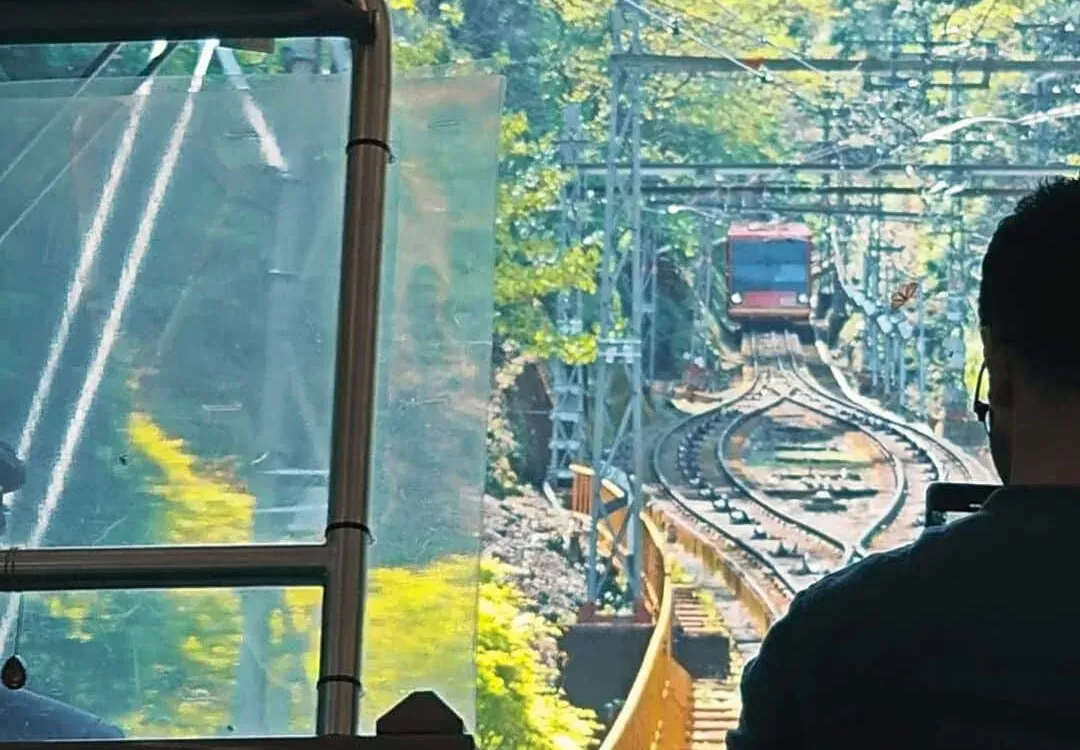
Most Koyasan content sells the mood first. Lanterns. Silence. Monk life. Cedar trees. That part is real, but it is not the part most people need help with before booking.
The real questions are more practical. Is one night enough? How strict is the schedule? Will the food work for you? Are you paying for something memorable, or just for something unusual? And if you are not very flexible about shared baths, early dinners, or simple rooms, is a temple stay still the right move?
This guide is for travelers who are genuinely considering a Koyasan temple stay and want the honest version before paying for it. I am treating it as a booking decision, not as a romantic idea. That is usually the better way to avoid disappointment.
-
TL;DR
-
Is a Koyasan temple stay worth it? Usually yes, if you want one memorable overnight and understand that it is more structured and less flexible than a normal hotel.
-
How long should you stay? 1 night is enough for most first-timers.
-
What should you prioritize when booking? Private bath if possible, meal inclusion, location, and clear check-in rules.
-
Who is it best for? Travelers who want one distinct experience and do not mind early timing.
-
Who should book a guesthouse instead? Late arrivals, tighter budgets, or anyone who already knows they dislike shared facilities and fixed dinner times.
👉🏻Book a temple stay for the overnight rhythm, not just for the room.
If I Were Booking This Myself
If I were planning Koyasan for the first time, I would keep it simple.
- Book one night, not two, unless Koyasan is a major focus of the trip.
- Pay more for a room with a private bath and toilet if the price jump is reasonable.
- Choose a temple with clear meal details, clear check-in timing, and strong English reviews over one that just sounds more “authentic.”
- If arriving late or wanting more flexibility, book a guesthouse and visit the temples during the day instead.
At a Glance
| Option | Best For | Price Range | Vibe |
|---|---|---|---|
| Temple stay with private bath | First-timers who want the experience without extra friction | $$$$ | Structured comfort |
| Temple stay with shared bath | Travelers who want the classic version and can handle more inconvenience | $$$ | Ritual-first |
| Guesthouse in Koyasan | Budget travelers, late arrivals, or people who mainly want flexibility | $-$$ | Flexible |
What a Koyasan Temple Stay Actually Is
A shukubo is not a themed hotel. It is temple lodging, which means the overnight rhythm is shaped by the place itself, not by modern hotel logic.
In practical terms, a stay usually includes a tatami room, futon bedding, shojin ryori vegetarian meals, quiet hours, and the option to attend morning prayer. But this is where many guides get too soft: not every temple stay offers the same level of comfort or support for foreign guests. Some feel easy and calm for first-timers. Some are much more basic than the price suggests. Some have private bathrooms. Some rely on shared facilities.
Chelsea’s POV
The biggest planning mistake is treating “temple stay” as one product. The room category and comfort level matter much more than people admit.
What to Expect From Check-In to the Next Morning
One of the best things you can do before booking is picture the actual sequence. A realistic stay rhythm looks like this:
- Arrive around 15:00–17:00
- Dinner around 17:30–18:00
- Quiet hours or gate close around 22:00
- Morning prayer (optional, varies by temple)
- Breakfast around 7:00–8:00
- Check-out around 10:00
That is more structured than a normal hotel night, but it is not hard if you plan around it.
Arrival
Many temples expect you to arrive in the mid-afternoon, not late evening. Dinner is often served early, and if you arrive too late, the whole experience starts to wobble. Plan your travel day around the temple’s schedule.
The Room and Evening
After check-in, the evening is simple. You settle in, bathe, eat early, and keep things quiet. The town itself is small and gets dark by 8pm. This is not a destination with evening options. The point of Koyasan is the morning, the forest, and the stillness — not what happens after dinner.
If shared facilities already sound stressful to you, do not convince yourself you will suddenly be fine with them just because the setting is spiritual. Read the room details before booking.
Morning Prayer
Morning prayer is one of the strongest reasons to stay overnight instead of doing Koyasan as a day trip. The chanting, the incense, the dim hall just after dawn — it lands differently than most things you will do in Japan. Details vary by temple, so confirm access and timing before you book if this is the main reason you are staying.
Dinner and Breakfast: Part of the Experience, but Also a Filter
The meals are not a side detail. Most temple stays serve shojin ryori — Buddhist vegetarian cuisine built around tofu, seasonal vegetables, sesame, and mountain ingredients. If you are curious about Buddhist food culture, this is a real draw.
But from a planning angle, meals are also a filter.
Good fit for:
- Travelers who want the full Koyasan ritual
- People curious about Buddhist vegetarian food
- Anyone who prefers a calm evening built into the stay
Not a good fit for:
- Picky eaters expecting a normal ryokan dinner
- People who want a loose evening schedule
- Anyone arriving so late that dinner timing becomes a problem
One practical note: if your stay includes breakfast only, figure out dinner options before you arrive. The town gets quiet early and this is one of the easiest ways to create unnecessary stress.
Temple Stay vs Guesthouse: Which One Fits You Better?
This is one of the most useful decisions for Koyasan, and most articles treat it as an afterthought.
Book a temple stay if the point of the night is the experience itself — the atmosphere, the meals, the morning prayer, and a more distinctive overnight memory. What you give up is flexibility, sometimes privacy, and sometimes the easiest price-to-comfort ratio.
Book a guesthouse if you mainly want to sleep in Koyasan. You get lower cost, more flexible timing, and easier late arrival. What you give up is the full shukubo overnight experience.
Chelsea’s POV
If you mainly want to experience Koyasan, book a temple stay. If you mainly want to sleep in Koyasan, a guesthouse may be the smarter answer.
Where to Stay in Koyasan
Stay in the central temple area if you want the easiest first visit. Better access to main sights, easier walking, and the right call if you only have one night.
Stay closer to Okunoin if the cemetery side of Koyasan is a major reason you are visiting. Stronger forest atmosphere, better for dawn or dusk mood, but less practical if ease matters more than immersion.
Book a guesthouse if budget and flexibility come first, or if temple inventory is already thin when you search.
When comparing properties, check these first:
- Private bath or shared bath
- Meal inclusion
- English support
- Cancellation terms
- Distance to Okunoin, Kongobu-ji, and main bus stops
The Parts I Would Be Honest About Before Booking
The biggest strength of a temple stay is that it feels meaningfully different from a normal Japan hotel night. In a lot of destinations, “special accommodation” is mostly marketing. In Koyasan, staying overnight actually changes the experience. The quiet evening, the early rhythm, the simple room — they give the place more weight than a fast daytime visit.
What I would not oversell: this is not luxury just because it is unusual. Some rooms are more basic than travelers expect for the price. Sometimes the most honest outcome is simply: “that was interesting, peaceful, and worth doing once.” That is still a good outcome.
Booking Tips That Actually Matter
- Book early. Reservations can often be made up to 6 months in advance. The better-reviewed properties fill fast, especially in autumn.
- Check the dinner cutoff before you pay. This affects the whole night.
- Compare request booking vs instant booking. They are not the same experience.
- Read the room details carefully. Shared bath vs private bath changes the stay more than most people expect.
- Do not assume every temple offers the same prayer access, payment method, or cancellation terms.
📌Before you click book: The most common mistake is booking for the idea of a temple stay without checking whether the room setup and schedule actually fit your travel style.
Common Mistakes First-Time Bookers Make
- Arriving too late for dinner
- Booking by “authentic” vibe instead of actual comfort needs
- Assuming all temple stays feel the same
- Underestimating how early the town gets quiet
- Choosing a shared-bath room when you already know you will not enjoy it
- Waiting too long to book the better-reviewed properties
FAQs — Koyasan Temple Stay
Is a Koyasan temple stay worth it?
Yes, for most first-timers it is worth doing once. The best reason to book is not luxury — it is the chance to experience Koyasan differently from a day trip. If you want one calm, structured, memorable overnight, it usually delivers.
Is one night enough in Koyasan?
Yes. One night is enough for most first-timers. Two nights only make sense if Koyasan is a major focus of your Japan trip, or if you want more time for the cemetery and temple grounds.
Should I stay in Kawayu or Yunomine Onsen?
Choose Kawayu if you want the easier, more forgiving onsen-town stay. Choose Yunomine if you want the more atmospheric and symbolic pilgrimage overnight.
Is staying near Kumano Hongu Taisha practical for first-timers?
Yes, especially if you are doing a bus-assisted first trip or expect to finish the Hongu walking segment later in the day. It can be a very smart and low-stress overnight.
Do all temple stays include morning prayer?
No. Details vary by property. If morning prayer is a main reason you want to stay, confirm it before booking.
Are temple stays expensive?
They often feel expensive if you judge them like normal hotels. But you are paying for a specific setting, meals, and a structured overnight experience that is hard to replicate. Still, if comfort is your main metric, some room types may feel overpriced for what you get.
Should I stay in a temple or a guesthouse?
Stay in a temple if the overnight ritual is the point. Stay in a guesthouse if flexibility, lower cost, or late arrival matters more. That is the cleanest way to make the decision.
Final Take – Koyasan Temple Stay
Koyasan is not a typical Japan destination. It is not Kyoto, it is not Osaka, it is not the kind of place most people put on their first Japan itinerary.
But if you are already planning Osaka — and most people are — Koyasan is only about two hours away. Leaving two days aside to come up here, slow down, sleep in a working temple, eat good tofu, and sit in a quiet hall while monks chant at dawn is one of those travel decisions that sounds small but stays with you.
It is the kind of place I would recommend to anyone who already loves Japan and wants something beyond the standard route. Or to someone doing Japan for the first time who is willing to trade one night of city convenience for something they will not easily find anywhere else.
If that sounds like you, it is worth the detour.
📒 More For Japan
There are more relevant reads from Travel Wishlist about planning a trip to Japan.
- Want the full day-by-day beginner route? Read: Kumano Kodo, Japan Itinerary: A Realistic 5-Day Plan for Beginners
- Searching for where to stay on the Kumano Kodo? Read: Where to Stay on the Kumano Kodo for First-Time Walkers
- Thinking of extending the trip beyond the trail? Read: Kii Peninsula Japan 7-10 days Itinerary
- Explore the central of Japan in winter? Read: Must-See Dragon Route Itinerary in Central Japan
Official Website for Koyasan Shukubo Association: https://eng-shukubo.net/
Book Hanabishi: https://www.hanabishi-web.jp/en/