How to Master Internet Access in China: Best VPNs, eSIMs
Are you heading to China and worried about staying online? You’re not alone—while China’s cities are ultra-high-tech, foreign travelers face unique challenges accessing the internet. The “Great Firewall” means services like Google, Facebook, Instagram, and WhatsApp no longer work without special tools. But don’t stress—with some simple preparation, you can stay connected and enjoy your trip!


How Does Internet Access Work in China for Tourists?
Internet access in China is fast and reliable—except many Western websites and apps are blocked. Regular WiFi and mobile data will connect you to local sites but not Gmail, YouTube, or even Google Maps. Foreigners rely on VPNs, international eSIMs, or specialized proxies to reach essential services during their trip.
Is Internet Access in China Different for Foreigners?
For daily tasks like maps, email, and social media, you’ll quickly hit blockages due to national filtering. Even hotel or café WiFi is firewalled. Most Chinese citizens use apps like WeChat, Baidu, and Douyin, but Western tools are inaccessible unless you plan ahead. That’s why terms like “how to access Google in China with VPN” are so widely searched each year.
- Quick tip: Download all your essential apps before you land. The App Store/Google Play will be restricted inside China.
- eSIMs with international roaming: Sometimes bypass certain blocks but are inconsistent—especially in hotels or cafes, a VPN is still needed for reliable access.
Why Do Tourists Need a VPN in China?
The only practical way to access Western apps in China is via a Virtual Private Network (VPN) with obfuscated servers, which mask your connection and let you slip past national restrictions. In travel forums and Reddit threads, VPN prep is the #1 recommendation:
- What does a VPN do? Redirects your device’s internet through another country, unlocking Gmail, Maps, Dropbox, etc.
- Do all VPNs work in China? Nope—most free or mainstream VPNs are blocked or unreliable. Popular choices for 2026 include:
- ExpressVPN: Stable across cities, easy setup, widely recommended.
- Surfshark: Unlimited devices, cost-effective.
- Astrill VPN: Premium, built for China, most reliable during sensitive periods.
- NordVPN, LetsVPN, Mullvad: Useful as backups.
Reddit pro tip: Test at least two VPNs before you go. China’s firewall blocks change frequently; what works for one route may be stopped in another.
Heads up: You can’t register or download most VPNs from inside China—set up your account and apps before you travel!
Chelsea’s Pick: I’ve personally tried Astrill VPN, NordVPN, and Let’sVPN while staying in China. Astrill and NordVPN can get expensive unless you buy the annual plan, and honestly, the connection speed isn’t always great—though they do offer tons of server choices and support a lot of devices at once. My go-to is Let’sVPN: it’s super fast for streaming Netflix and YouTube, has “clean” servers that connect reliably, and I’ve never run into issues getting online.
What Are Common Problems Accessing the Internet in China for Tourists?
Tourists unfamiliar with China’s digital landscape can encounter several hurdles:
- Difficulty installing VPNs or proxies inside China (blocked app stores/websites).
- Connectivity issues on hotel or public WiFi: Local ISPs may throttle or block VPN traffic frequently.
- Payment barriers: Local apps like WeChat Pay and Alipay are needed even for some WiFi logins or eSIM top-ups.
- No Google Maps: Even with VPN, location accuracy can vary—offline maps or Amap are best for navigation.
Top Internet Solutions for Travelers in China (2026)
You have a few main options—most travelers use a combination for best results.
Using a VPN for Tourists in China (Setup)
- Purchase and install a recommended VPN before your trip (Pick whatever you like. Save money by buy it via Cashback sites like Rakuten).
- Enable obfuscated/stealth mode if it’s available—this makes your VPN harder for Chinese networks to detect and block.
- Download multiple versions/apps: If your main VPN gets blocked, a backup can save your trip.
Pro tip: Redownload/screenshot booking QR codes and digital boarding passes—sometimes airline or hotel emails are inaccessible without a VPN.
Checks if your favorite websites are blocked in China: https://www.vpnmentor.com/tools/test-the-great-china-firewall/
International eSIMs & Roaming—Can They Bypass Censorship?
Some travelers use an international eSIM bought from providers like Nomad or Airalo. These often permit unrestricted access on mobile data only (not WiFi), but:
- Roaming works best at airports or outdoors—hotels/cafes WiFi reverts to Chinese internet rules.
- More expensive than local SIMs; keep as a backup for crucial moments (navigation, urgent messages).
- Some international eSIMs don’t support receiving SMS verification codes, so keep that in mind if you need to receive texts for things like app logins or payment confirmations.
Non-VPN Proxies for Tech-Savvy Travelers (Shadowsocks, V2Ray, Tor)
If your VPN fails, there are alternatives technical users favor:
- Shadowsocks: Open-source, fast for web browsing, requires manual server setup.
- V2Ray: More advanced, adds multipath/protocol obfuscation—popular among developers.
- Tor (with bridges): Useful for lightweight browsing, but usually too slow for streaming or work.
Reminder: These proxy tools require configuration in advance and ongoing updates to work reliably in China.
Chelsea‘s review: Shadowrocket and V2Ray work really well, and there are plenty of free server options available if you check popular online forums.
How to Stay Connected in China—Checklist for 2026
Here’s how most tech-savvy travelers prep internet access for China:
- Pick and buy VPN(s) before leaving your home country.
- Install all travel and payment apps you’ll need (Trip.com, Amap, Alipay, WeChat, airline/hotel apps).
- Activate an international eSIM if you want backup mobile data.
- Prepare offline maps and save hotel/transport directions as PDFs.
- Test connections with both WiFi and mobile data in the airport/hotel on arrival.
- Expect some downtime: Even the best VPNs will occasionally disconnect—plan for brief outages.
FAQ—Internet Use for Foreigners in China
Conclusion—Is Staying Connected in China Hard for Tourists?
Because of the Great Firewall, traveling in China is definitely a bit more complicated. I’m so used to plotting out my sightseeing routes on Google Maps—honestly, I did that for my entire 35-day backpacking trip around Europe. In China, that just isn’t an option! But if you plan ahead and save your itinerary on your phone, set up a VPN and an eSIM, and download all the must-have local apps—like Alipay or WeChat Pay for cashless payments, Dianping for food and reviews, Didi for rides, and even an AI tool like Deep Seek or Doubao—traveling in China becomes surprisingly easy, convenient, and budget-friendly.
Safe travels—and enjoy your adventure online in China!
UNLOCK THE MOUNTAIN.
Interactive maps for your best run yet.
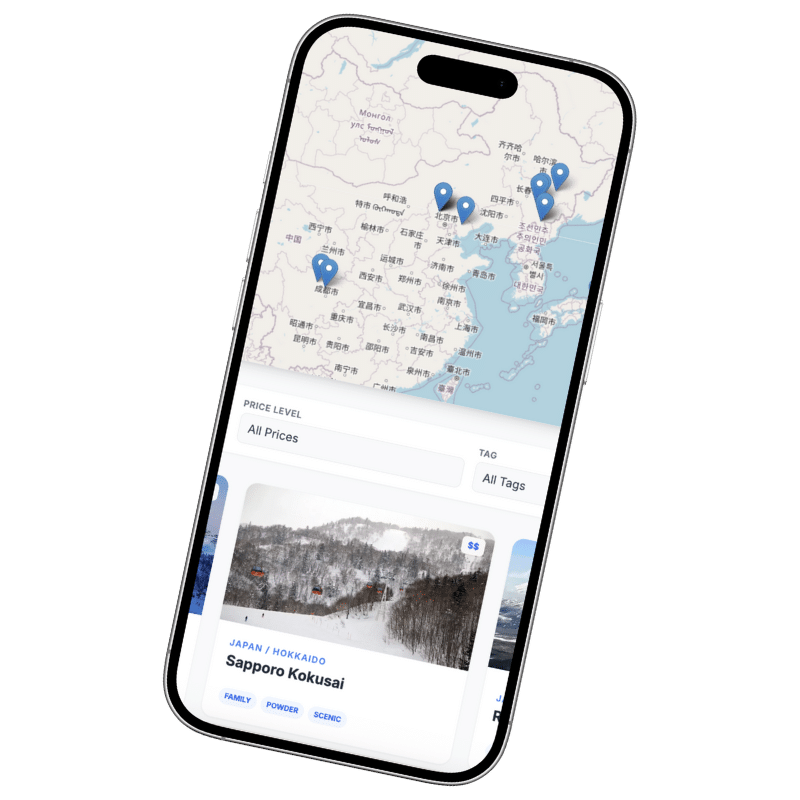
Besides Shanghai & Beijing, ski resorts in Jilin is worth a visit —— Check my The Complete Guide to Skiing in China 2025 | Top 15+ Destinations

TravelWishlists – Chelsea