What to Pack for a Ski Trip to Japan: Essential Gear List (Rent vs Buy)
Japan makes skiing easy. Reliable powder, compact resort towns, and high-quality rental shops mean you don’t need to overpack. Most travelers bring too much and regret it on crowded trains.
This “What to pack guide” is for first-time and returning skiers heading to resorts like Niseko, Hakuba, or Nozawa Onsen. It covers what to bring, what to rent, and what to leave at home. After years of trial and error in skiing, I’ve learned what actually matters in your suitcase and what the rental shops handle better.
What this guide saves you:
- Money (avoid renting overpriced basics at the resort)
- Space (skip the ski bag on crowded Shinkansen)
- Stress (know exactly what Japanese resorts provide)
Planning for a ski trip to Japan, read Skiing in Japan 2026: The Ultimate Guide | Top 10 Resorts
What to Pack: Rent vs Buy Comparison
| Item | Rent in Japan | Bring from Home | Why |
|---|---|---|---|
| Skis / Snowboard | ✅ Yes | ❌ No | High-quality rentals; no transport hassle |
| Boots | ✅ Yes | Optional | Good fit available; saves luggage space |
| Poles | ✅ Yes | ❌ No | Always included with ski rental |
| Helmet | ✅ Yes | Optional | Available at most resorts |
| Goggles | ❌ No | ✅ Yes | Fit and comfort are personal |
| Ski Jacket & Pants | ⚠️ Expensive | ✅ Yes (if you ski often) | Resort rentals cost ¥3,000–5,000/day |
| Gloves | ❌ No | ✅ Yes | Hygiene + fit issues with rentals |
| Base Layers | ❌ No | ✅ Yes | Not available to rent |
| Balaclava / Neck Warmer | ❌ No | ✅ Yes | Often required; dirty rentals |
| Thick Ski Socks | ❌ No | ✅ Yes | Personal fit matters |
The Basics: Ski Trip Essentials What to Pack
Clothing Essentials
Thermal base layers — Japan’s famous powder (“Japow”) is wet and deep. Moisture-wicking base layers keep you dry when you inevitably fall or sweat on longer runs.
Mid-layers — A lightweight fleece or thin down jacket works best. Bulk slows you down. Japan’s ski temperatures rarely drop below -10°C at most Hokkaido resorts.
Waterproof ski jacket & pants — If you ski more than once a year, bring your own. Resort rentals run ¥3,000–5,000/day and quality varies. First-timers can rent to test if they enjoy the sport before investing.
Accessories You Should Buy Before You Go
Gloves (bring two pairs) — One pair will get wet. Drying takes overnight. Two pairs means you’re never skiing with cold, damp hands.
Neck warmer or balaclava — Required by most ski schools. Rental options are expensive and used by many others. Buy your own for under $15.
Warm hat or beanie — For chairlifts and après-ski. Helmets don’t keep your ears warm while waiting.
Thick ski socks (2–3 pairs) — Ankle-length won’t cut it. Bring knee-high socks designed for skiing. Poor socks cause blisters and cold feet.
Chelsea’s take: The items above cost under $50 total if you buy them at Amazon, Uniqlo or Decathlon before your trip. Renting them at the resort costs more per day than buying outright.
What to Wear Skiing in Japan: Weather & Conditions
Is skiing in Japan cold?
Less than you think. Japan’s famous powder comes from moisture, not extreme cold.
- Hokkaido (Niseko, Furano): -5°C to -12°C
- Honshu (Hakuba, Nozawa): -2°C to -8°C
The powder is light and dry compared to wet European snow, but snowfall is heavy. Expect snow in your face on powder days.
Why layering beats bulk:
- You’ll warm up fast once moving
- Gondolas and lodges are heated
- Overpacking means sweating, then freezing
Three thin layers beat one thick jacket. Adjust throughout the day.
Rent vs Buy: What Ski Gear Should You Rent in Japan?
Ski Gear You Should Rent in Japan
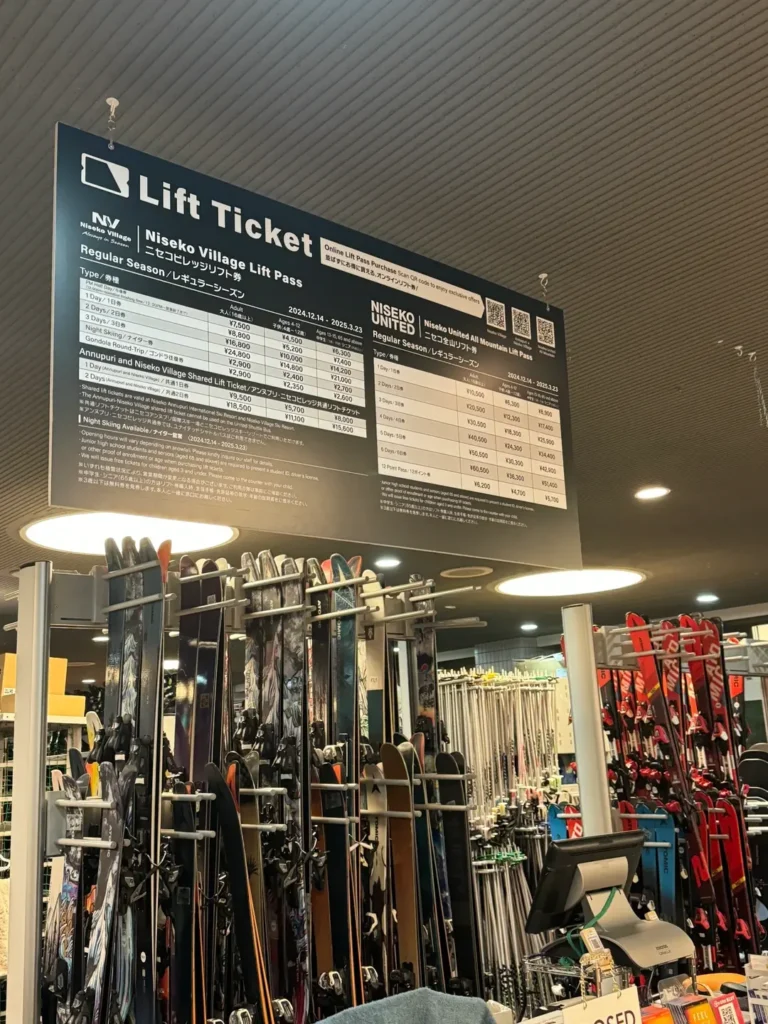
Skis or Snowboard — Japanese rental shops stock quality equipment, often newer than what you’d find elsewhere. Transporting your own gear on trains is a hassle. Luggage forwarding (takkyubin) helps, but costs ¥2,000–4,000 per bag.
Boots — Rental boots in Japan fit well because shops stock Asian sizing. Unless you have custom orthotics or very specific needs, rent them.
Poles — Always included with ski rentals. No reason to bring your own.
Helmets — Available at most major resorts. Bring your own only if you have a specific fit preference.
Rental costs by resort:
- Niseko: ¥5,000–8,000/day for full ski set
- Hakuba: ¥4,500–7,000/day
- Nozawa Onsen: ¥4,000–6,000/day
Multi-day discounts drop prices by 20–30%.
Ski Gear You Should Bring From Home
Goggles — Fit matters. Goggles that fog or press against your face ruin a ski day. Bring ones you’ve tested. If you wear glasses, bring prescription inserts or goggles designed for specs.
Gloves — Already covered above. Personal fit and hygiene make this a must-bring.
Base layers — Not available to rent anywhere.
Ski jacket and pants — If you already own them. First-timers should rent for the first trip, then buy if they want to continue skiing.
Chelsea’s take: After your first ski trip, if you enjoyed it, invest in a good jacket and pants. Wait on boots until you’ve skied at least 5–10 times and know what you like.
What NOT to Pack for a Ski Trip to Japan
Bulky ski bags — Japan’s train network and luggage forwarding system (takkyubin) make it easy to travel light. A ski bag on the Shinkansen is a headache. Rent at the resort instead.
Heavy après-ski outfits — Japanese ski towns are casual. A clean base layer, down jacket, and comfortable pants work for dinners and onsen visits. Nobody dresses up.
Too many layers — Three changes of base layers and one mid-layer are enough. Coin laundries exist in every ski town for ¥200–400/load.
Excessive cash — Major ski resorts accept credit cards for lifts, rentals, and most restaurants. Carry ¥10,000–20,000 for small purchases and vending machines.
Your own ski equipment — Unless you’re an advanced skier with custom-fitted boots, renting is easier and often better.
What to Pack Tips for First-Time Skiers in Japan
Use resort lockers — Most Japanese ski resorts have heated lockers near the slopes. Store extra layers and dry gloves. Costs ¥300–500/day.
Convenience stores stock essentials — Forgot hand warmers? Need extra socks? 7-Eleven and Lawson near ski resorts carry winter basics. No need to panic-pack.
Coin laundries are everywhere — Wash and dry a load for under ¥500. Pack light and do laundry mid-trip.
Onsen etiquette note — Japanese hot springs require full nudity. No swimsuits. Bring a small towel for modesty, and check policies if you have visible tattoos (some onsen refuse entry, others provide cover-up stickers).
Packing by Ski Destination
Packing for Niseko
- Colder than Honshu resorts — Add an extra mid-layer
- More international — English widely spoken; Western food available
- Easy rentals — Multiple high-quality shops with English-speaking staff
- Card-friendly — Credit cards accepted almost everywhere
Packing for Hakuba
- Day trips possible from Tokyo — Pack lighter if not staying overnight
- Less need for après-ski wear — Smaller village, fewer restaurants
- Multiple resorts — Consider renting at your specific resort rather than in town
When deciding on a family-friendly ski trip to Japan, check the details of Niseko vs Hakuba, the two most popular family ski resorts.
Packing for Nozawa Onsen
- Traditional village — Onsen bathing is central to the experience
- Smaller scale — Fewer rental options; book ahead in peak season
- Cash still preferred — Carry more yen than at Niseko
Ski Trip Packing Checklist for Japan
Documents
- [ ] Passport
- [ ] Travel insurance (with ski coverage)
- [ ] Lift pass confirmation (if pre-booked)
- [ ] Accommodation booking
- [ ] JR Pass or train tickets
Clothing
- [ ] Ski jacket (or plan to rent)
- [ ] Ski pants (or plan to rent)
- [ ] 3x thermal base layers (top + bottom)
- [ ] 1–2x mid-layers (fleece or light down)
- [ ] 2x ski gloves
- [ ] 2–3x thick ski socks
- [ ] Neck warmer / balaclava
- [ ] Warm beanie
- [ ] Casual clothes for evenings (2–3 outfits)
- [ ] Comfortable walking shoes
Ski Gear (to bring)
- [ ] Goggles
- [ ] Prescription inserts (if needed)
- [ ] Sunscreen (SPF 30+, snow reflects UV)
Ski Gear (to rent in Japan)
- [ ] Skis or snowboard
- [ ] Boots
- [ ] Poles
- [ ] Helmet
Electronics
- [ ] Phone + charger
- [ ] Portable battery
- [ ] Camera (optional)
- [ ] Adapter (Japan uses Type A, same as US)
Miscellaneous
- [ ] Hand warmers (or buy at 7-Eleven)
- [ ] Lip balm with SPF
- [ ] Small quick-dry towel (for onsen)
- [ ] Reusable shopping bag
- [ ] Ziplock bags (for wet items)
Frequently Asked Questions
Do Japanese ski resorts rent high-quality gear?
Yes. Japan’s major resorts stock well-maintained equipment, often updated each season. Niseko, Hakuba, and Nozawa all have rental shops with English-speaking staff and quality brands.
- Expect to pay ¥5,000–8,000/day for a full ski set
- Multi-day rentals offer 20–30% discounts
- Reserve online during peak season (late December–February)
Can I ski in Japan without bringing my own equipment?
Absolutely. Japan is one of the easiest countries to ski without personal gear. Rentals cover skis, boots, poles, and helmets. You only need to bring clothing and accessories.
- Book rentals in advance for holiday periods
- Specify your height, weight, and skill level when reserving
- Demo skis available for advanced skiers who want to test specific models
Is it expensive to rent ski gear in Japan?
Moderate. Full equipment rental costs ¥5,000–8,000/day at major resorts. This is comparable to European and North American prices.
- Clothing rentals (jacket + pants) add ¥3,000–5,000/day
- Buying your own clothing saves money after 2–3 trips
- Equipment rental is always worthwhile unless you’re an advanced skier
What should beginners pack differently?
Focus on warmth and comfort, not performance gear.
- Rent everything technical (skis, boots, helmet)
- Bring two pairs of gloves (you’ll fall more and get wet)
- Pack extra base layers for changing mid-day
- Don’t invest in expensive clothing until you know you’ll ski again
Do I need special clothing for Japanese ski resorts?
No special clothing required, but ski schools and lessons may require full coverage (jacket, pants, gloves, face covering). Check with your instructor in advance.
- Japanese resorts enforce safety rules strictly
- Jeans and casual jackets are not allowed on some slopes
- Proper ski attire is required for lessons
UNLOCK THE MOUNTAIN.
Interactive maps for your best run yet.
Japan is one of the easiest countries to ski without overpacking. High-quality rentals, compact ski towns, and excellent infrastructure mean you can travel light and still have everything you need.
Bring: Base layers, gloves, goggles, and a neck warmer. Rent: Skis, boots, and poles. Leave at home: Bulky ski bags and heavy après-ski outfits.
If this is your first time skiing in Japan, rent your jacket and pants too. See if you love the sport before investing. The powder will be there waiting.
TravelWishlists – Chelsea