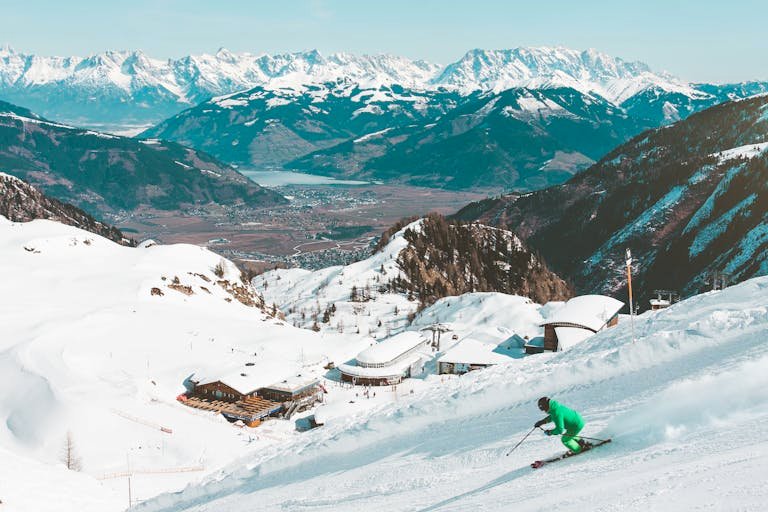
Skiing in Japan 2026: The Ultimate Guide | Top 10 Resorts
Dreaming of world-class powder? Japan is famous for “Japow“—ultra-light snow—plus hot springs(authentic onsen experiences), ramen, and unbeatable value thanks to 2025’s weak yen. Whether you’re planning your first ski adventure or hunting deep powder, this guide quickly solves your top concerns about skiing in Japan
- When is the best season for snow?
- What’s the 2025/2026 trip budget?
- Which resorts fit your style?
…plus practical tips on transport, culture, and saving money—all in one place.
Planning a trip? Use my free 🗺️ PeakSeeker Map to find resorts.
📅 When to Go Skiing in Japan? (Best Time for Japow)
Wondering when you’ll hit the deepest snow with the fewest crowds? Here’s a month-by-month breakdown so you can match your perfect trip with real on-the-ground conditions and savings.
|
Month |
Snow Quality |
Crowd Level |
Budget |
Recommendation |
|---|---|---|---|---|
|
Dec |
❄️❄️ |
👥👥 (High) |
$$$ |
Best for Early Season deals in Hokkaido. |
|
Jan/Feb |
❄️❄️❄️❄️❄️ |
👥👥👥👥 (Peak) |
$$$$ |
Prime Japow. Avoid Lunar New Year (Feb 17, 2026). |
|
Mar/Apr |
❄️❄️❄️ |
👥 (Low) |
$$ |
Hidden Gem. Bluebird days & cheap lift tickets. |
December: The Early Season Gamble
Pre-Christmas Deals vs. Snow Coverage
Save with early-season discounts, but be aware that snow can be thin until mid-December, except for reliable Hokkaido resorts.
Best Resorts for Early Season (Hokkaido focus)
Niseko, Rusutsu and Furano get the earliest—and often deepest—powder in December.
January & February: The “Japow” Peak
What is “Japow” and Why is it so Dry?
Japan’s famous powder is due to cold Siberian winds picking up moisture over the Sea of Japan—creating dry, super-light snow from Hokkaido to Nagano.
Lunar New Year Crowds Warning (2026 Dates)
January and February are peak months, but be aware of Lunar New Year week (early February 2026), when resorts are usually crowded and prices spike. However, due to current travel policies and flight cancellations from China, the crowds may be smaller than usual this year, as fewer Chinese tourists will be visiting.
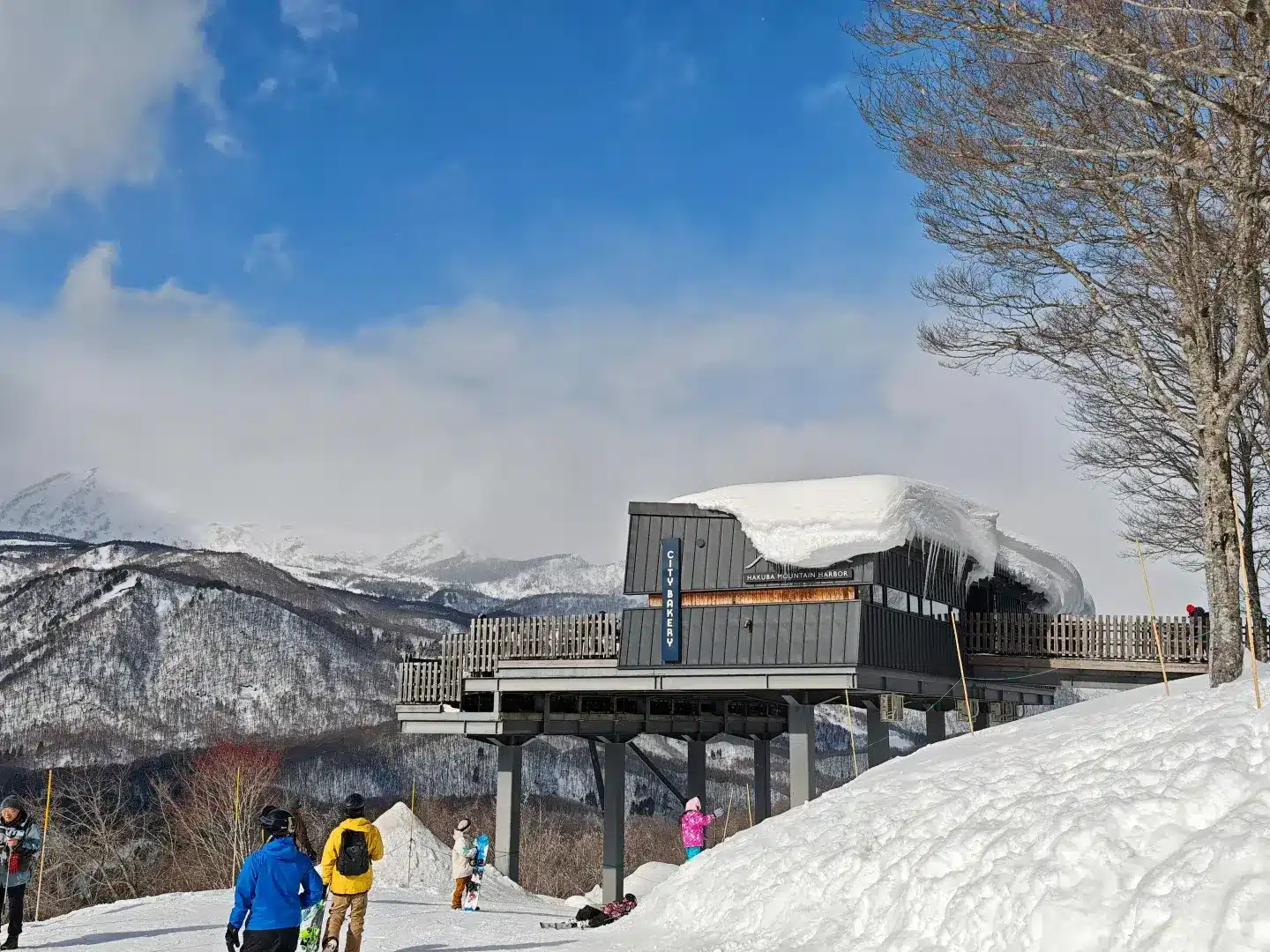
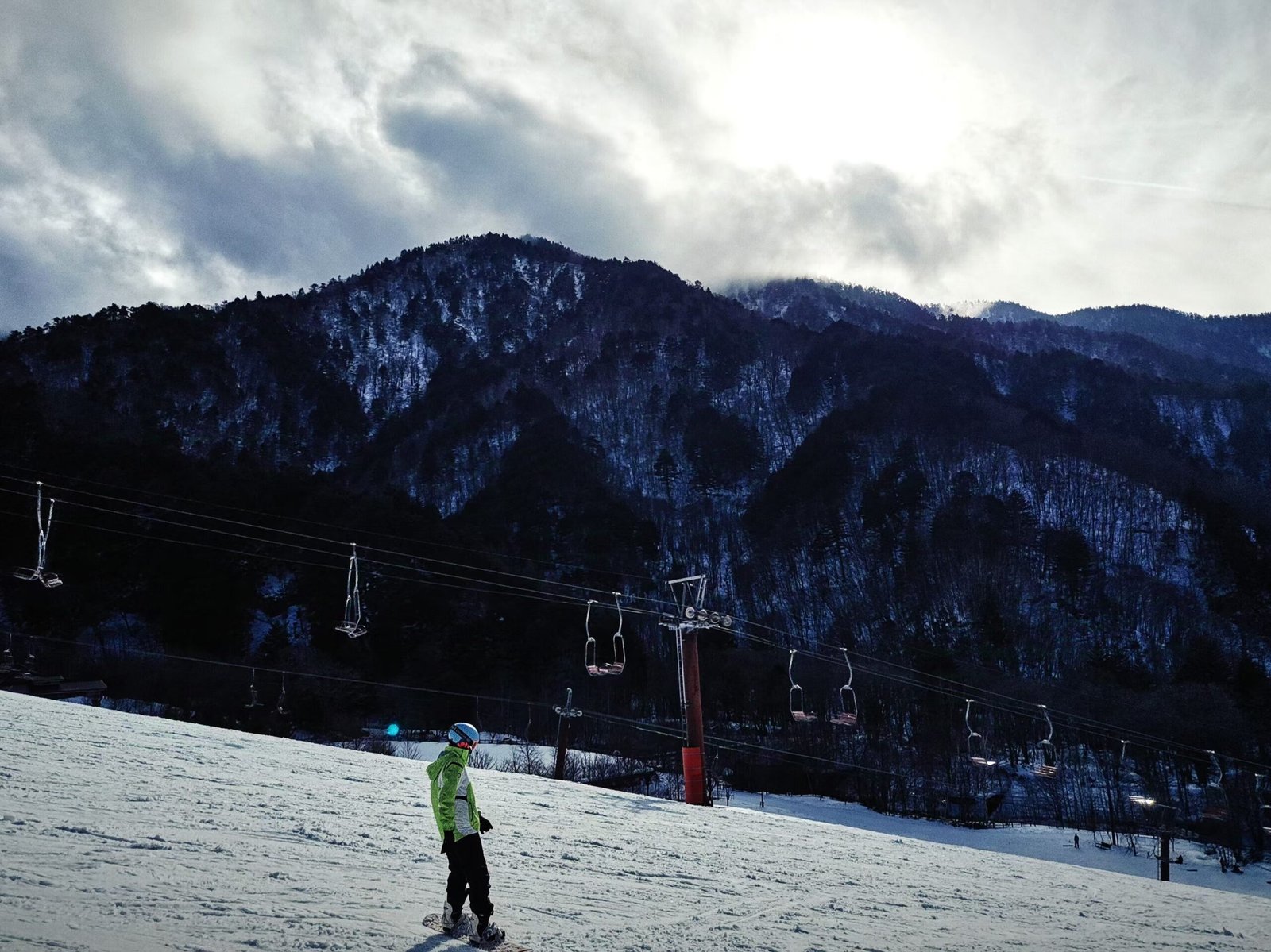
March & April: Spring Skiing (The Hidden Gem)
Bluebird Days and Lower Prices
Enjoy longer sunny days, fewer people, and discounts on lift tickets and hotels.
Kid-Friendly Conditions
Milder weather, softer snow, and local festivals make spring the top choice for families or beginners.
Read more: Is March Japan Skiing Worth It?
How Much Does a Japan Ski Trip Cost? (2026 Budget Update)
The 2026 Paradox: While local prices in Japan have risen due to inflation (lift tickets and hotels are up 10-20%), international visitors holding USD, EUR, AUD, or SGD are still seeing incredible value due to the historically weak Yen. A week in Japan often costs 60% less than a comparable trip to Colorado or the Alps.
Major Expenses Breakdown
Flights & Domestic Transport (JR Pass Price Hike Impact)
- JR Pass Warning: Since the massive 70% price hike in late 2023 (a 7-day pass is now ~¥50,000), the JR Pass is rarely worth it for skiers just doing a simple round trip to Niseko or Hakuba.
- Smart Alternative: Buy point-to-point Shinkansen tickets or use Highway Buses (much cheaper).
- Luggage: Budget for Yamato Transport (Takkyubin)! For ~¥2,500–¥3,500 per bag, they ship your skis from the airport directly to your hotel. Do not try to drag ski bags onto crowded Tokyo trains.
Check my article: How to transport your luggage at Lawson store, cheap & easy!
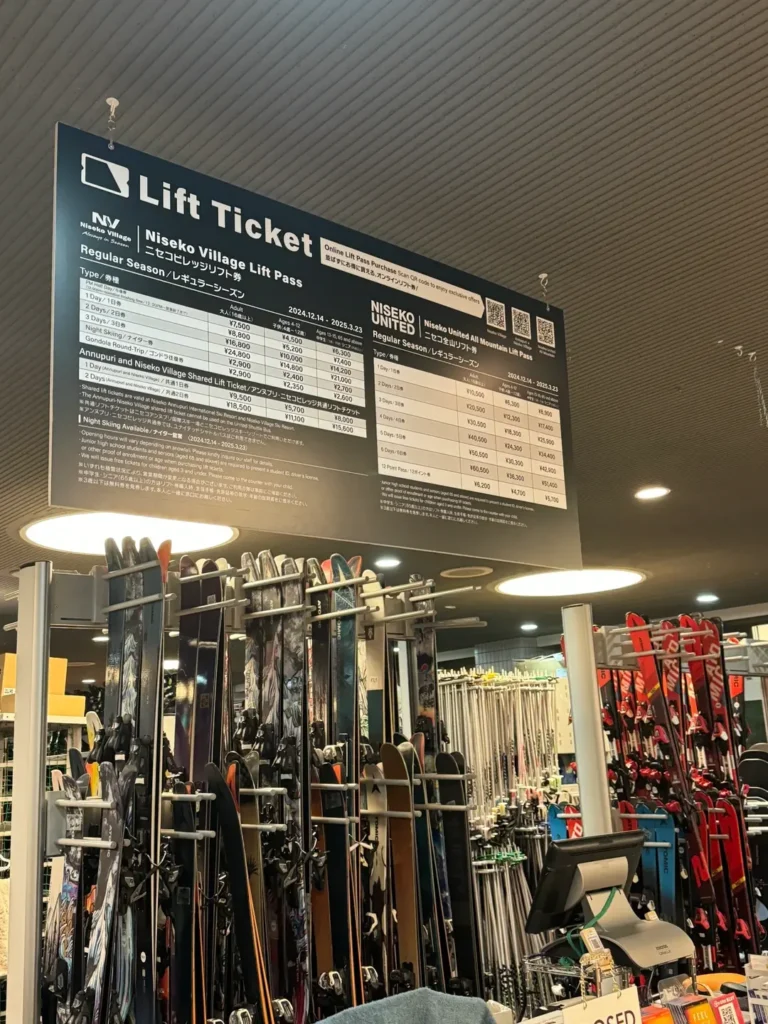
Lift Tickets: 2025 Price Inflation vs. Global Standards
- Japan Prices (Rising): Major resorts like Niseko and Rusutsu have finally broken the ¥10,000 – ¥12,000 JPY daily barrier.
- Global Context (Still Cheap): Compared to the insane $250+ USD (~¥38,000) window rates at Vail or Whistler, Japan is still a bargain.
- Tip: Online Advance Purchase usually saves you 5-10% and saves you from queueing at the ticket window.
Accommodation: Luxury Hotels vs. Traditional Ryokans
- International Luxury: 5-star Western chains (e.g., Park Hyatt Niseko, Ritz-Carlton) use “Global Pricing.” Expect to pay $1,000+ USD/night regardless of the Yen’s performance.
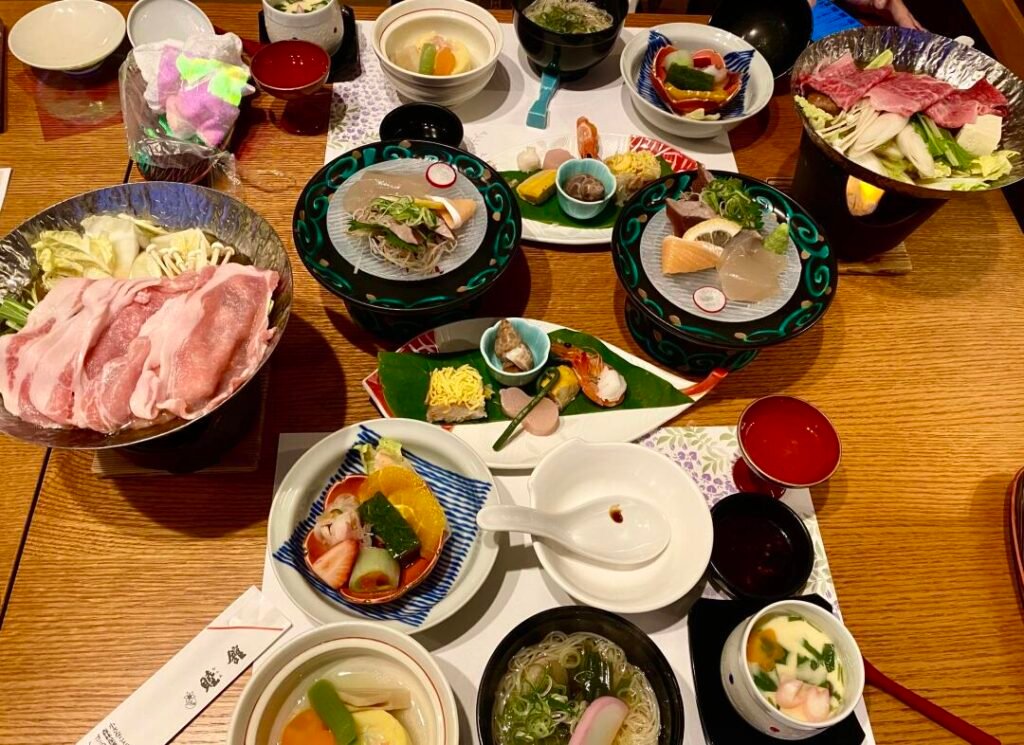
- Local Ryokans (The Sweet Spot): Traditional Japanese Inns (Minshuku/Ryokan) have seen smaller price hikes. You can still find amazing spots for ¥12,000 – ¥18,000 per person/night, often including a massive breakfast and dinner.
Saving Money on Your Japan Ski Trip
Using Multi-Resort Passes (Epic / Ikon / Earth Hoppers)
- Epic Pass: Includes 5 consecutive days at Hakuba Valley and 5 days at Rusutsu. If you already have this pass, you save ~$700 USD instantly.
- Ikon Pass: Includes 7 days at Niseko United and 7 days at Lotte Arai. Note: Appi Kogen is also on the Ikon partner list for 2025/26.
- Earth Hoppers: A unique digital pass for “ski nomads” covering over 30 lesser-known, authentic resorts. Great for avoiding crowds. H4: Convenience Store (Konbini) Dining vs. Resort Food
- Resort Lunch: A bowl of ramen or katsu curry on the mountain now costs ¥1,800 – ¥2,800. This is the “Resort Tax.”
- The “Konbini” Hack: Join the locals and grab breakfast/lunch at Lawson, 7-Eleven, or (if in Hokkaido) the legendary Seicomart. You can get high-quality fried chicken, onigiri, and bentos for under ¥800.
Read full breakdown: Japan Ski Trip Cost Guide
Traveling alone? See how I budgeted my trip: Sapporo Ski Trip Budget: Kiroro vs. Niseko for Solo Travelers
Where to Go? (Hokkaido vs. Honshu vs. Tohoku)
The Great Debate: Can’t decide where to go? Most first-timers get stuck here. Here is the cheat sheet to break your analysis paralysis.
Hokkaido: The Powder Capital
Pros: Consistently Deep Snow & International Vibe
- The Quality: This is the legendary “Japow.” Because it’s further north, the snow is significantly drier and lighter than on the main island.
- English Friendly: Resorts like Niseko are essentially international villages. You can get by 100% without speaking Japanese, and Western comforts (coffee, burgers, nightlife) are everywhere.
- Season Length: Reliable snow from early December through April.
Cons: Extreme Cold, High Cost & Travel Time
- The Freeze: It is bitterly cold (often -10°C to -20°C). You need serious gear; this is not the place for jeans and a light jacket.
- Access: Requires a domestic flight to Sapporo (CTS) plus a 2-3 hour bus ride. It eats up travel days.
- The Price Tag: Accommodation and dining prices here are the highest in Japan.
Honshu (Nagano & Niigata): Accessibility & Culture
Pros: Bullet Train Access (Shinkansen) & Culture
- Speed: You can land in Tokyo and be skiing in Gala Yuzawa or Karuizawa in under 90 minutes via Shinkansen. Perfect for shorter trips.
- Real Japan: Places like Nozawa Onsen are actual historic villages that happen to have ski resorts. You get the fire festivals, ancient shrines, and authentic ryokans that Hokkaido often lacks.
- Variety: Hundreds of resorts are packed closely together (e.g., Hakuba Valley, Shiga Kogen).
Cons: Extreme Cold, High Cost & Travel Time
- The “Wet” Factor: While still amazing by global standards, the snow here is slightly heavier and wetter than Hokkaido.
- Rain Risk: In warmer winters, lower altitude resorts can see rain in January, which is almost unheard of in Hokkaido
Tohoku: The Rising Star (Less Crowds)
Why Experienced Skiers are Heading North in 2026
- The “Goldilocks” Zone: Located between Tokyo and Hokkaido, Tohoku offers the best of both worlds: the dry snow quality of Hokkaido with the train accessibility of Honshu (via the Tohoku Shinkansen).
- Zero Crowds: While Niseko and Hakuba suffer from lift lines, resorts like Appi Kogen, Geto Kogen, and Hakkoda remain uncrowded. You can still find fresh tracks at 2 PM.
- Value: Lift tickets and food are still priced for locals, not international tourists.
Comparison: Niseko vs. Hakuba, which is better for family?
🎿 Top 10 Ski Resorts in Japan
Which one is right for you? Based on the top recommendations from Xiaohongshu for 2025, here are quick profiles and highlights of skiing in Japan. Don’t just follow the rankings—choose based on your needs, whether it’s nightlife, family-friendly options, or deep powder. Here are the top 10 ski resorts to watch in 2025:
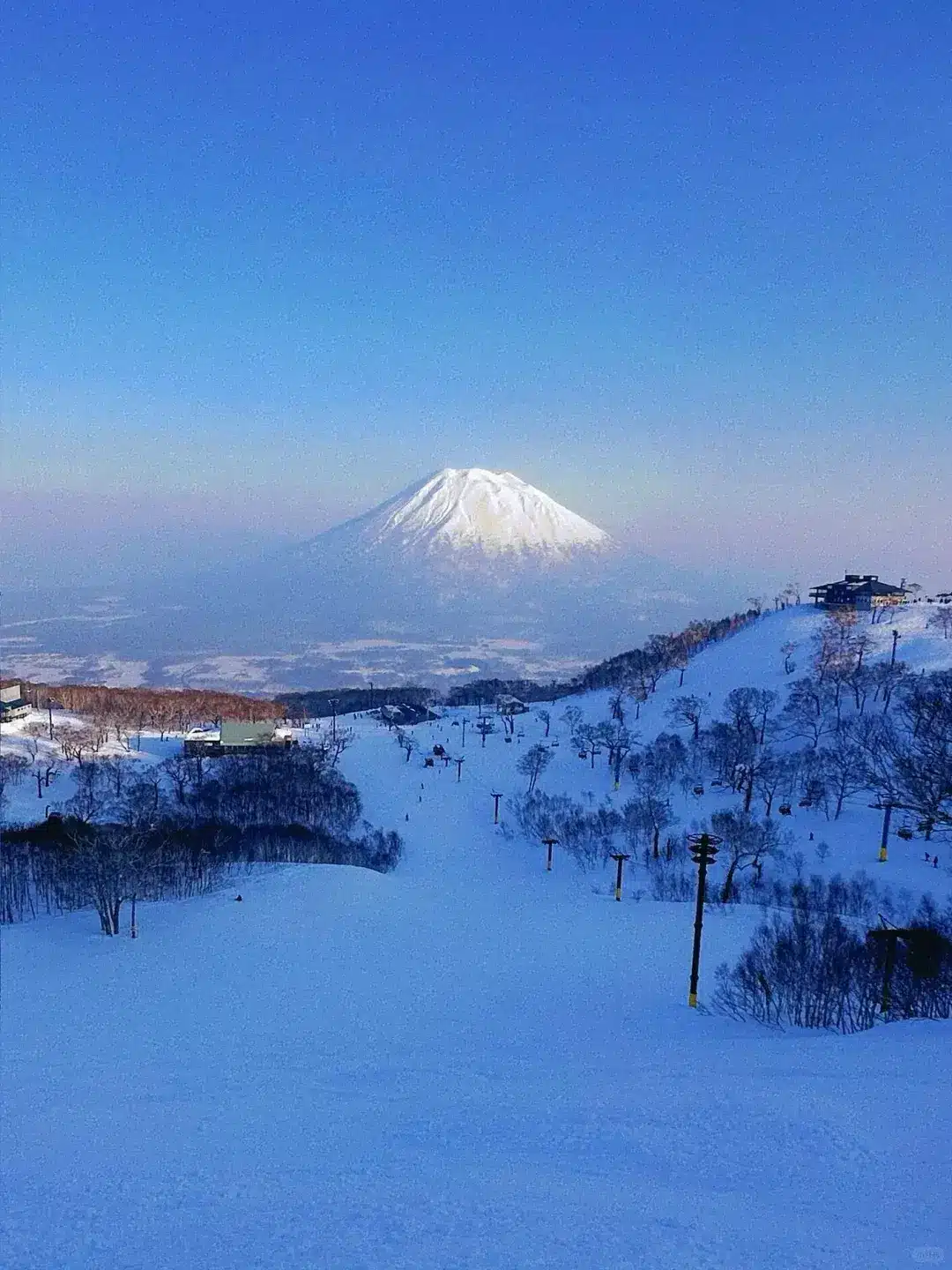
01/ Niseko United (Hokkaido)
The crown jewel of Japanese skiing, offering legendary powder snow and world-class wellness facilities. Perfect for those seeking luxury and pristine conditions.
The 4 Zones: Comprises Grand Hirafu (Party central), Hanazono (Luxury/Park Hyatt), Niseko Village (Hilton), and Annupuri ( quieter)
Location
Hokkaido
Price Range
$$$
Best Time
Dec – Feb
02/Hakuba Valley (Nagano)
Former Olympic venue offering excellent value without compromising on quality. Perfect for intermediate skiers and budget-conscious travelers.
Location
Nagano
Price Range
$$$
Best Time
Jan – Mar
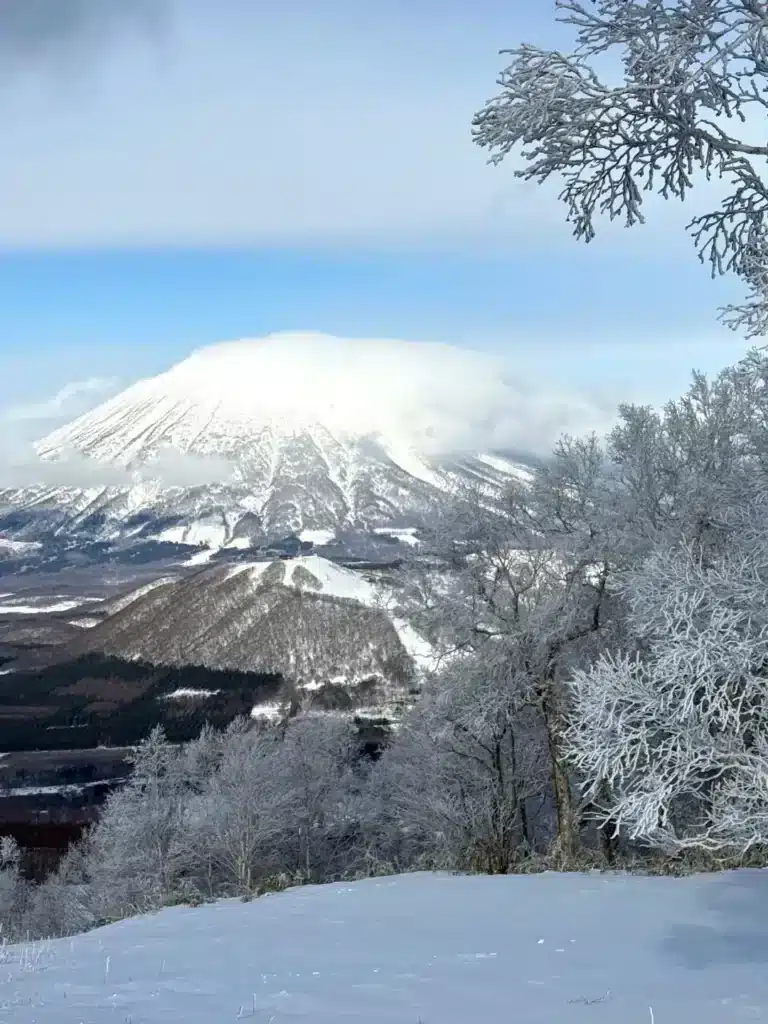
03/Rusutsu Resort (Hokkaido)
It’s just 40 mins from Niseko but has zero lift lines. The tree runs (“Side Country”) are accessible directly off the lifts—no hiking required.
Location
Hokkaido
Price Range
$$$
Best Time
Dec – Feb
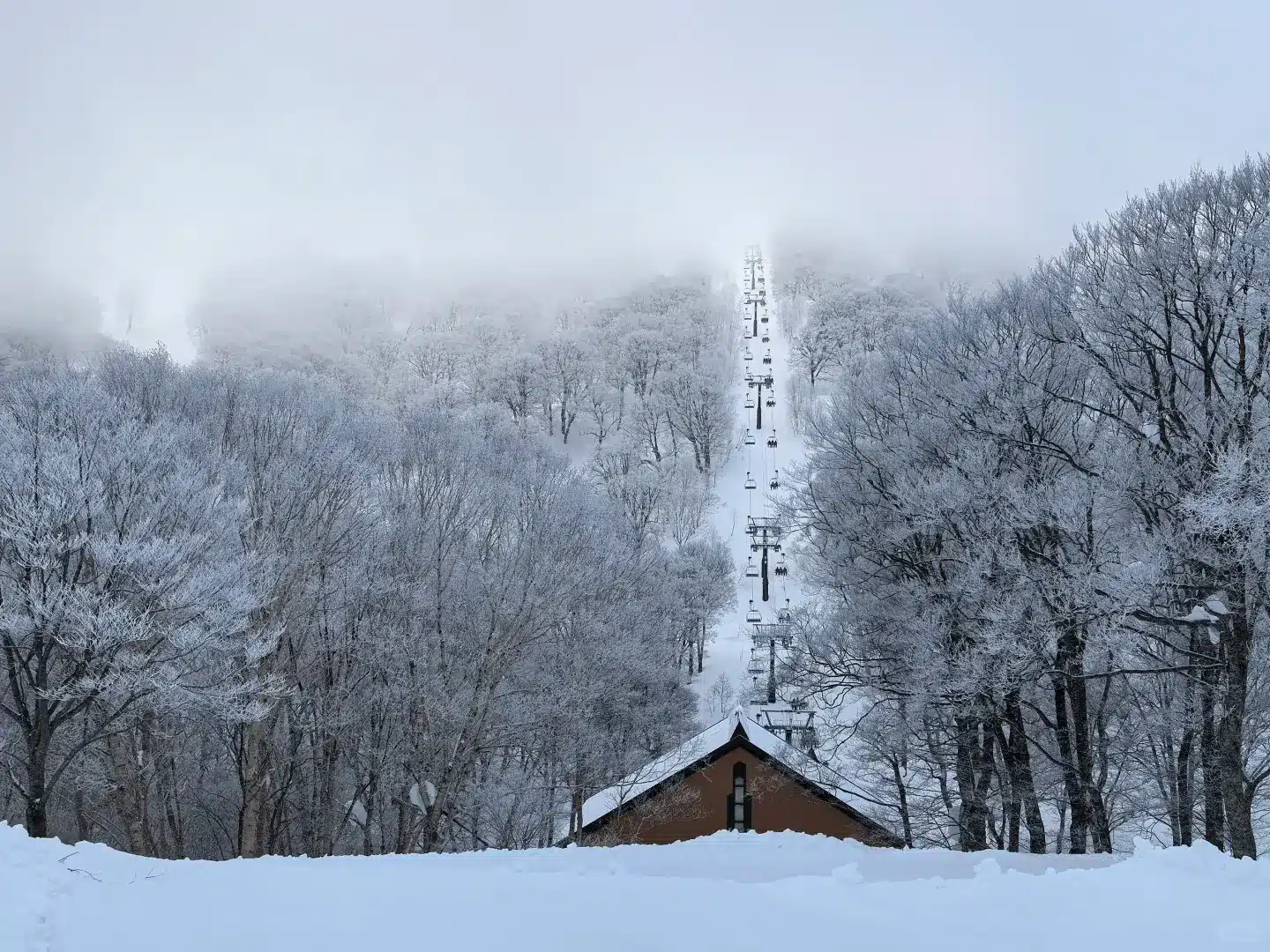
04/Nozawa Onsen Resort (Nagano)
Charming traditional village with 13 free public onsen. Ideal for families and those seeking authentic Japanese culture alongside skiing.
Location
Nagano
Price Range
$$$
Best Time
Dec – Mar
05/Furano (Hokkaido)
The Climate Advantage: Located inland, Furano avoids the coastal winds that often shut down Niseko’s top lifts. It has the highest bluebird day success rate in Hokkaido.
Location
Hokkaido
Price Range
$$$
Best Time
Dec – Feb
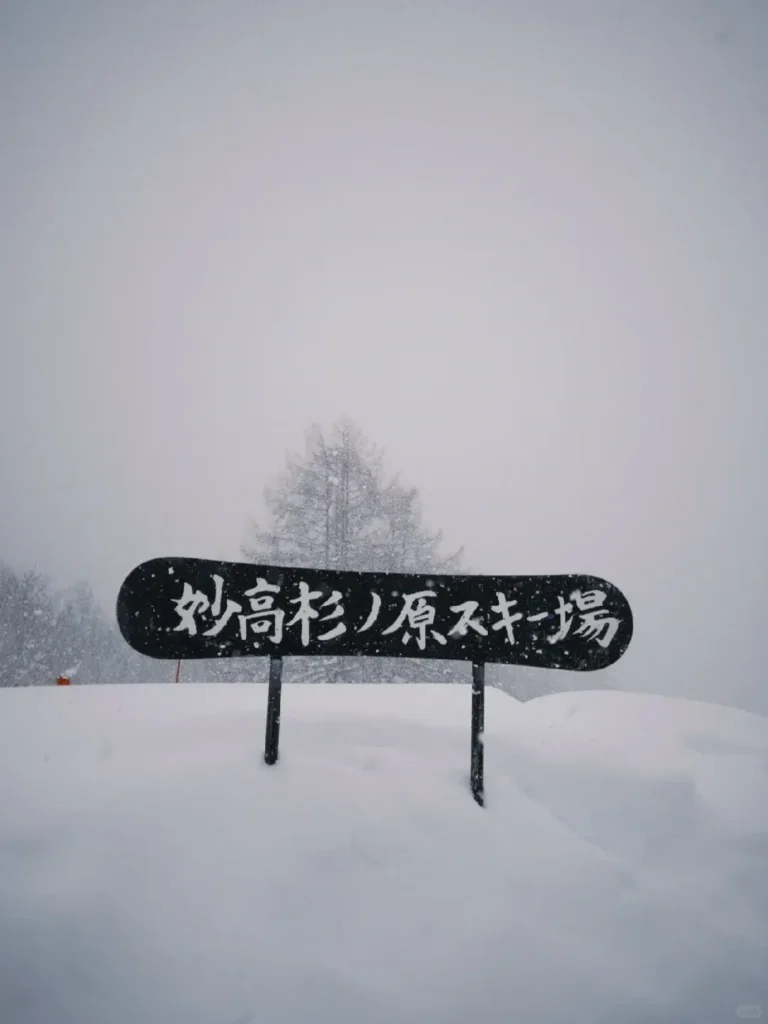
06/Myoko Kogen (Niigata)
Geographically positioned to catch the heaviest snowfall in Honshu. Resorts like Seki Onsen are unpolished gems with knee-deep powder.
Location
Niigata
Price Range
$$
Best Time
Jan – Dec
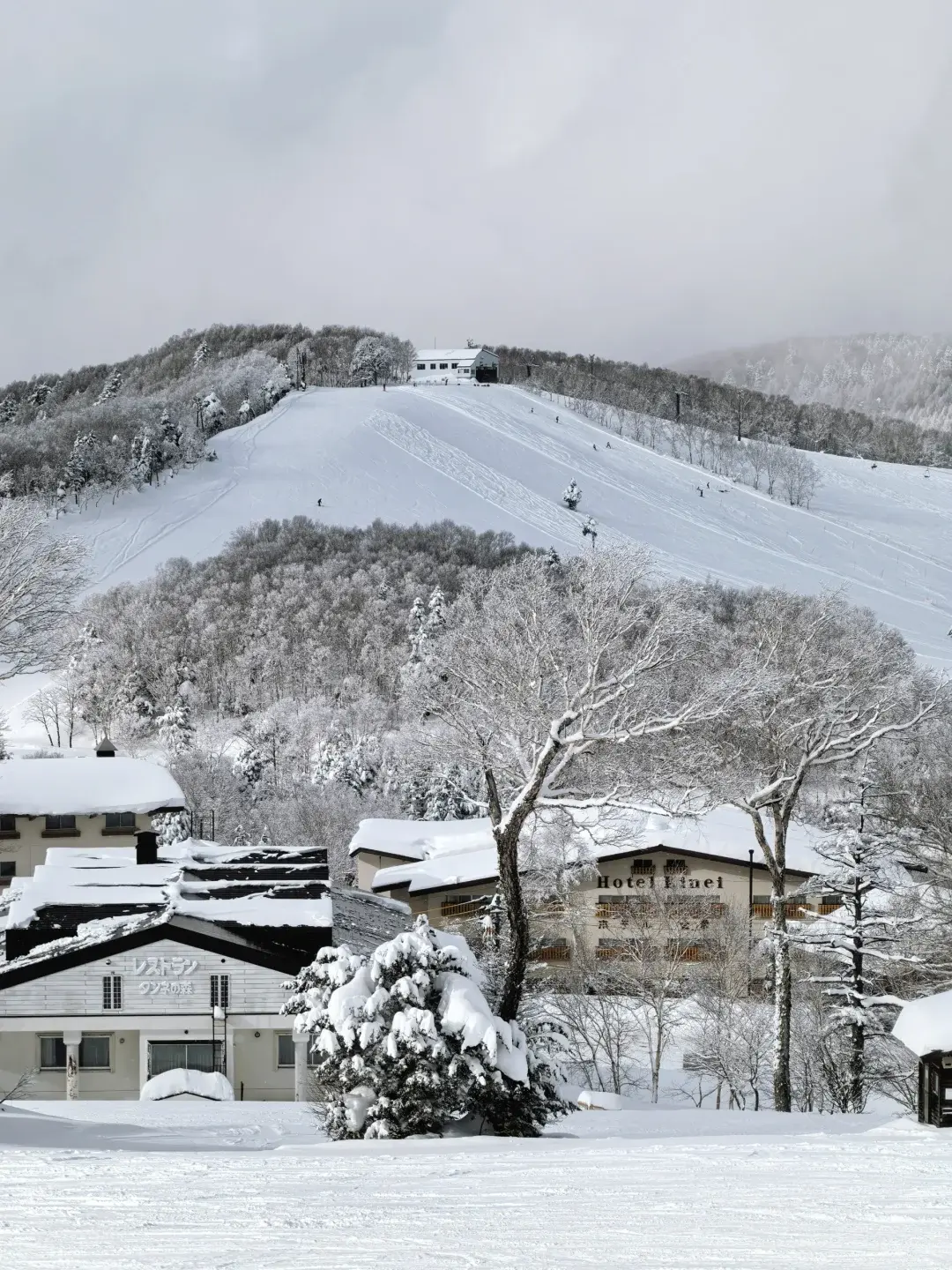
07/ Shiga Kogen (Nagano)
18 interconnected ski areas on one ticket. You can ski for days without repeating a run. Altitude: Being one of the highest resorts in Japan, the snow quality stays preserved longer into spring (late March/April).
Location
Nagano
Price Range
$$$
Best Time
Dec – Mar
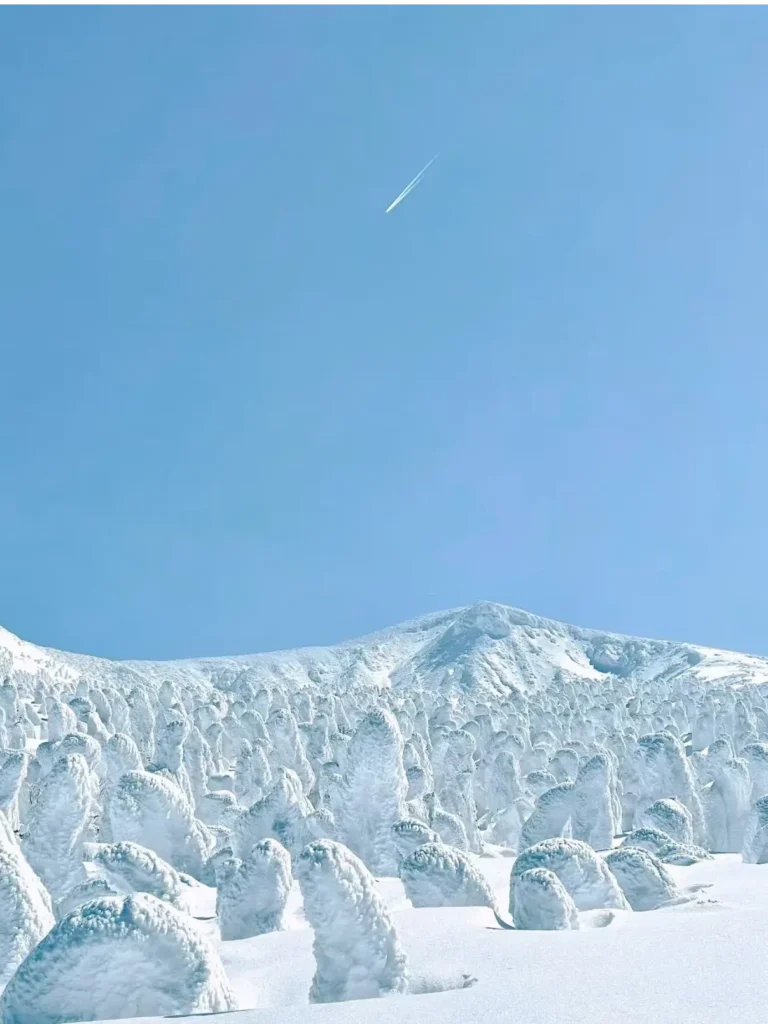
08/ Zao Onsen (Yamagata/Tohoku)
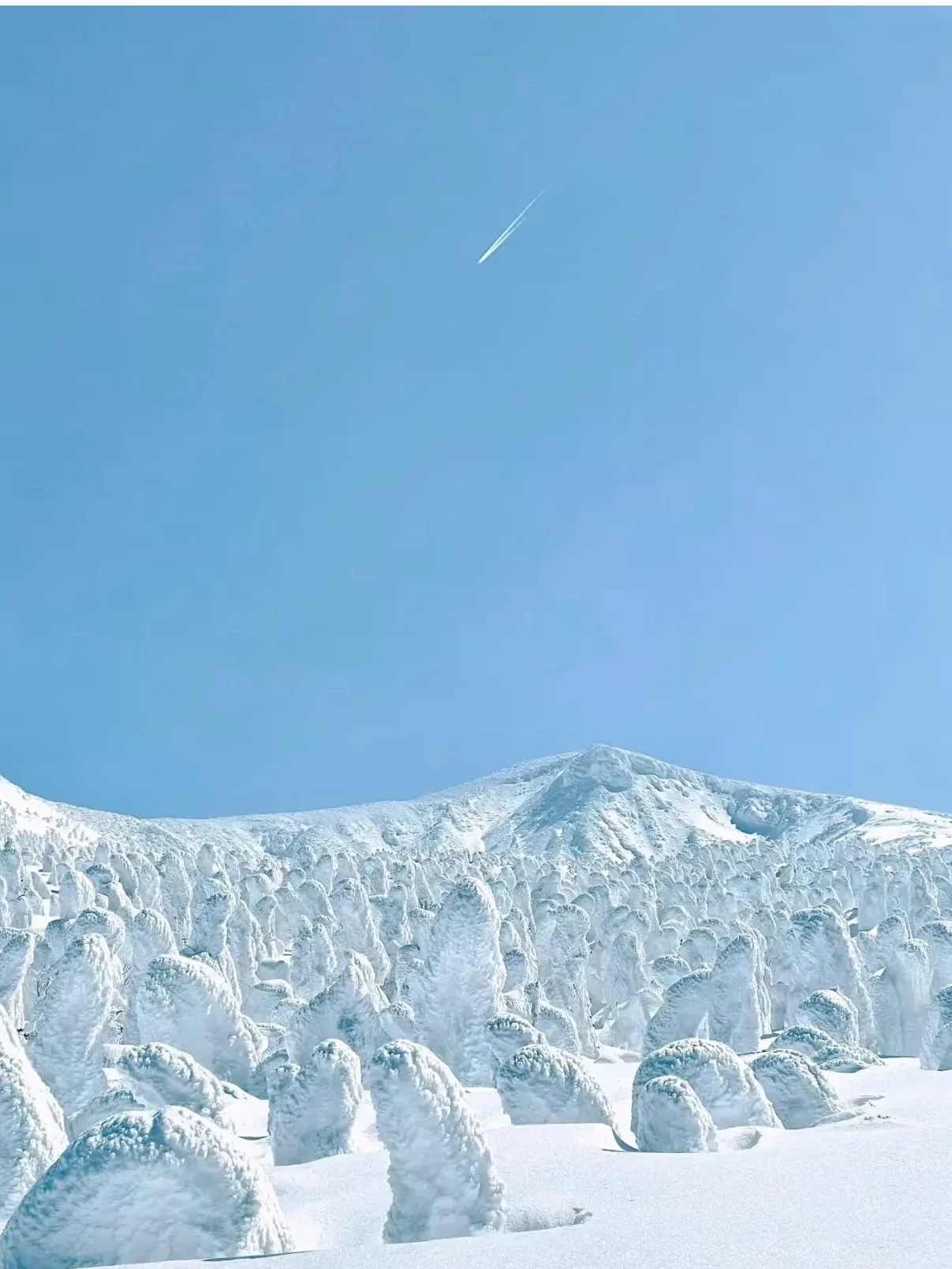
This is the most Instagrammable spot in Japan. The frozen trees (“Ice Monsters”) at the summit are a bucket-list sight. Unlike modern resorts, Zao is a 1,900-year-old hot spring village. The sulfur onsen smells strong, but the healing waters are legendary.
Location
Yamagata
Price Range
$$$
Best Time
Dec – Mar
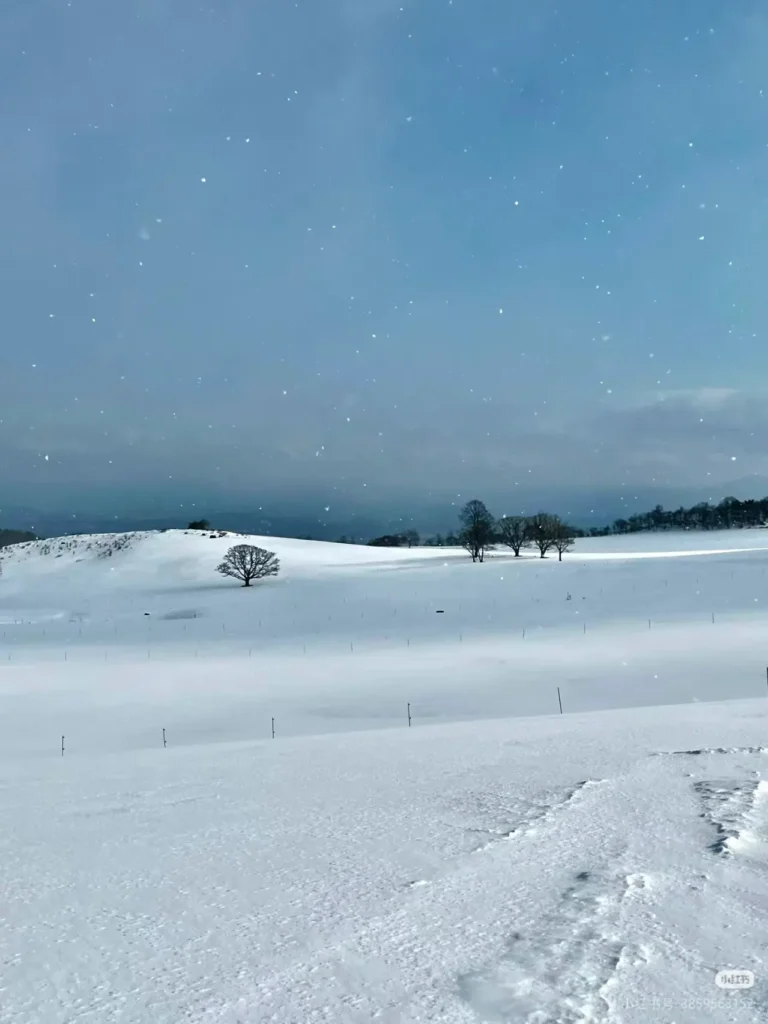
09/ Appi Kogen (Tohoku)
Known as the “Aspen of Japan” for its meticulously groomed runs and upscale hotel infrastructure. It is far less crowded than Niseko or Hakuba.
Location
Iwate
Price Range
$$$
Best Time
Dec – Mar
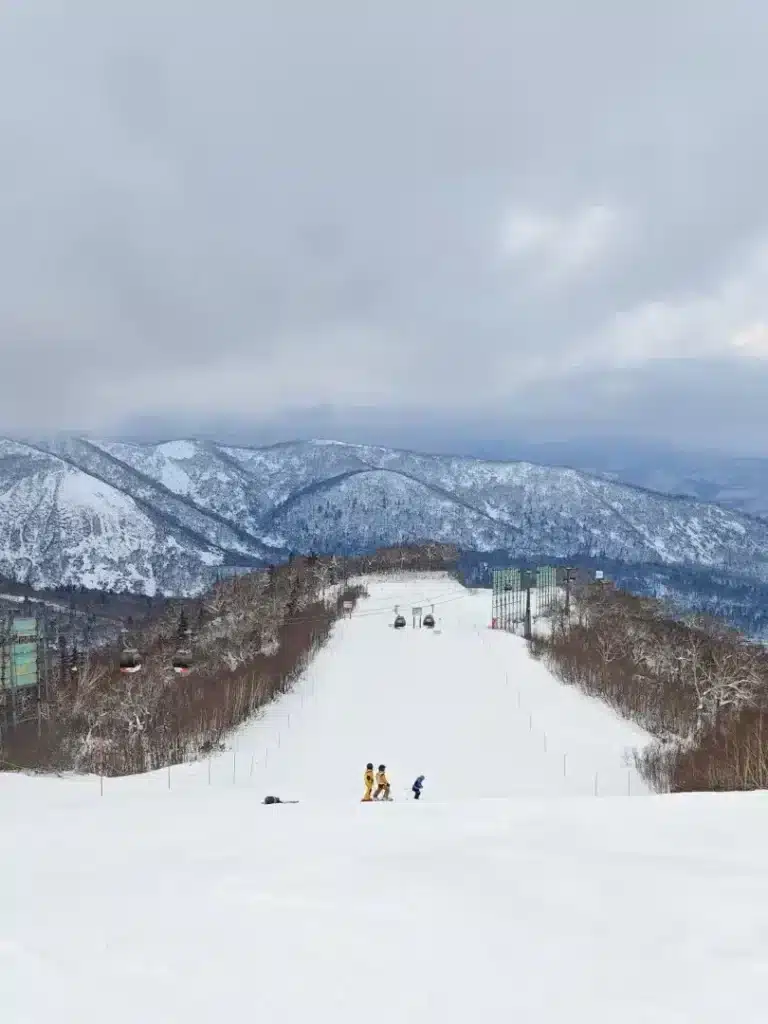
10/ Kiroro Resort (Hokkaido)
Kiroro often records the deepest snow depth in Japan (even more than Niseko!). It’s a powder magnet. The vibe is upscale and self-contained. With Club Med and Sheraton (Tribute Portfolio) at the base, it’s perfect for families who want a premium, hassle-free ski-in/ski-out experience without the Niseko crowds.
Unsure if Kiroro is worth it? Read my comparison: Kiroro vs. Niseko: Which is better for Solo Skiers?
Location
Hokkaido
Price Range
$$$
Best Time
Dec – Mar
Short on Time? Best Tokyo Day Trips
Not everyone has a week to spare. If you have a tight schedule or just want to experience skiing for a day, here are smarter options than Niseko.
The “Shinkansen” Option: Gala Yuzawa
The most convenient ski resort in the world, connected directly to a bullet train station (75 mins from Tokyo).
Warning: Avoid weekends unless you like crowds.
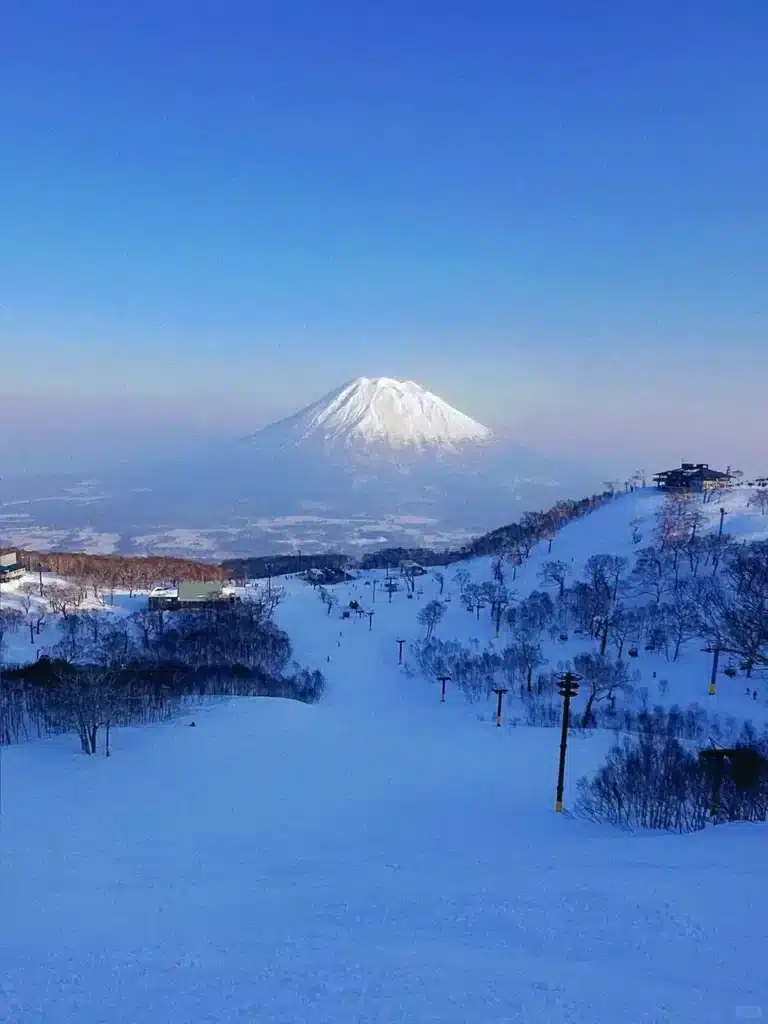
The “Mt. Fuji” Experience: Yeti Ski Resort
- Skiing with a View: Yeti isn’t about deep powder; it’s about skiing with the iconic Mt. Fuji as your backdrop.
- Early Season King: It’s famous for being the first resort to open in Japan (often in October) using advanced snowmaking.
Editor’s Note (Coming Soon):
I am personally testing Yeti this February to see if the view is worth the bus ride. Also, I will try the Klook package with instructor, shuttle bus, lift pass, and equipment. Stay tuned for the full breakdown!
Guide: Best Ski Resorts Near Tokyo (Under 2 Hours)
💰 Choose by Budget
Find the perfect retreat that matches your budget without compromising on experience:
|
RESORT |
Price/Night |
SKILL LEVEL |
ONSEN |
BEST FOR |
|---|---|---|---|---|
|
Niseko |
¥45,000 |
All Levels |
✓ |
Luxury seekers |
|
Hakuba |
¥22,000 |
Intermediate |
✓ |
Value hunters |
|
Nozawa Onsen |
¥28,000 |
All Levels |
✓ |
Families |
|
Shiga Kogen |
¥25,000 |
Advanced |
✓ |
Big terrain |
Budget Breakdown:
- Under ¥25,000/night: Hakuba, budget lodges in Nozawa Onsen
- ¥25,000-35,000/night: Nozawa Onsen mid-range, Shiga Kogen, Myoko Kogen
- ¥35,000+/night: Niseko luxury, premium Myoko properties
Practical Tips for a Smooth Trip
Don’t learn these lessons the hard way. Japan’s ski logistics are completely different from those in Europe or North America. Master these tips, and your trip will turn from a “survival challenge” into pure enjoyment.
Logistics: The Magic of “Takkyubin” (Luggage Forwarding)
- Don’t Haul Ski Bags on Trains:
- This is the #1 rookie mistake. Japanese trains are crowded, and navigating Shinkansen stations with a 20kg ski bag is a nightmare.
- Use Yamato Transport (Black Cat 👍/ Kuroneko). Look for the counter at Narita/Haneda arrival halls. For about ¥2,500 – ¥3,500, they will ship your gear directly to your hotel or ski lodge. It usually takes 24-48 hours, so pack a carry-on for your first night in Tokyo.
- Renting vs. Bringing Your Own:
- Bring: Your ski mask, goggles, jacket and pants, and gloves are essentials—buy these in advance on Amazon to save money and avoid using rental gear that might not be clean. If you’re an advanced skier, bring your own boots—custom-fit boots are irreplaceable.
- Rent: The Skis/Board. Unless you are a pro, the high-end demo rentals in Niseko and Hakuba (often stocked with the latest 2026 powder models) are excellent. It saves you airline oversize baggage fees.
Connectivity & Money (2026 Update)
- eSIM is the New Standard:
- Physical Pocket Wi-Fi is becoming obsolete for solo travelers. Apps like Ubigi or Airalo offer cheap, high-speed data on the DoCoMo network. Setup before you fly.
- Cash is (Still) King in the Mountains:
- While Tokyo is contactless-friendly, that tiny ramen shop on the mountain or the ticket machine at a local Onsen only accepts cash. Always carry at least ¥20,000 in notes.
Travel Insurance: A must for skiing in Japan
- The “Off-Piste” Exclusion:Many standard travel insurance policies exclude skiing entirely, or void coverage if you ski “off-piste” (outside the ropes).
- The Reality: If you plan to ski the trees in Rusutsu or the gates in Niseko, ensure your policy explicitly covers “Backcountry” or “Off-Piste” skiing.
- Rescue Costs:If you get lost and require a search party, you will be billed. Japanese search and rescue can cost ¥1,000,000+. Ensure your insurance covers “Search and Rescue” costs.
Start Your Japow Adventure?
The mountains are calling.
Japan is more than just deep powder; it is the steaming bowl of ramen after a long run,the onsen that helps you relax after an exhausting day, and the hospitality that makes you feel at home halfway across the world.
With the 2025/2026 season offering a rare combination of world-class snow conditions and a historically favorable exchange rate, there has never been a better time to book that flight.
You now have the roadmap:
- You know When to Go (January for powder, March for sunshine).
- You know Where to Go (Whether it’s the nightlife of Niseko, the “Snow Monsters” of Zao Onsen, or the luxury of Kiroro).
- You know How to Travel (Ship your bags, bring cash, and buy insurance).
Still Can’t Decide? Let Me Help.
Finding the right resort is hard, but visualizing it makes it easy. I’ve built a custom tool to help you filter resorts by Price, Region and Feature highlights.
👉 Launch the Free PeakSeeker Map (Click to explore interactive resort comparisons & find your perfect match)
🎒 Essential Packing List
Don’t forget these essentials for your Japan ski retreat. Click the links to shop my recommended gear:
Pro Tip: You can rent skis, boots, and poles at all major resorts. I actually recommend renting to try different equipment!
❓ Frequently Asked Questions
📖 Related Guides
Dive deeper into specific resorts and topics with these detailed guides:
Ready to Book Your Japan Ski Retreat?
TravelWishlists – Chelsea