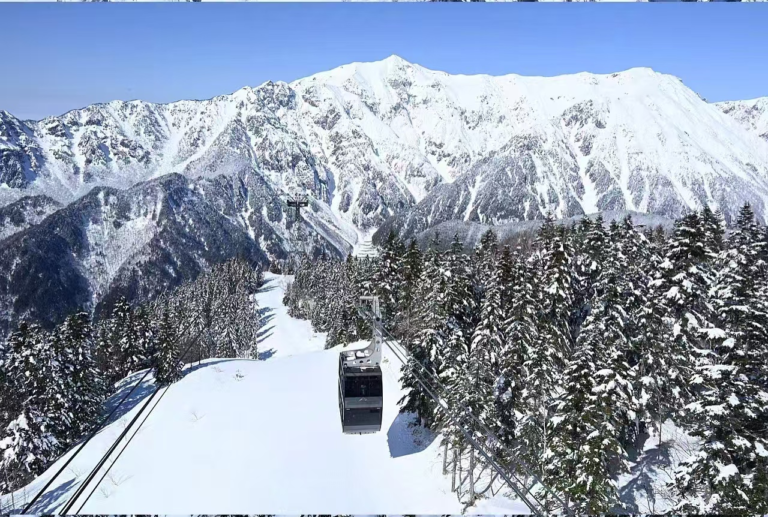
Kumano Kodo, Japan Itinerary A Realistic 5-Day Plan for Beginners
That’s how our 5-day Kumano Kodo Nakahechi adventure started: four of us, my 65+ parents, my brother, and me. Somewhere between a family trip, a couples-friendly getaway (honestly it’s SO romantic), and my own quiet life reset after being laid off.
We didn’t do crazy 20 km days. Most of the time, we walked 8–12 km, took breaks, soaked in onsen, ate way too well… and still collected enough pilgrim stamps to feel like “proper” walkers. On the trail we even met couples, solo hikers, and families with kids around 6–7 years old doing the Nakahechi route — so yes, it’s beginner-friendly if you plan it right.
Kumano Kodo for Beginners: Is This 5-Day Itinerary for You?
If you’re Kumano-curious but not exactly an ultramarathon person, this 5-day Nakahechi itinerary is made for you.
Think of it as: slow hiking + hot springs + shrine hopping + a little soul searching.
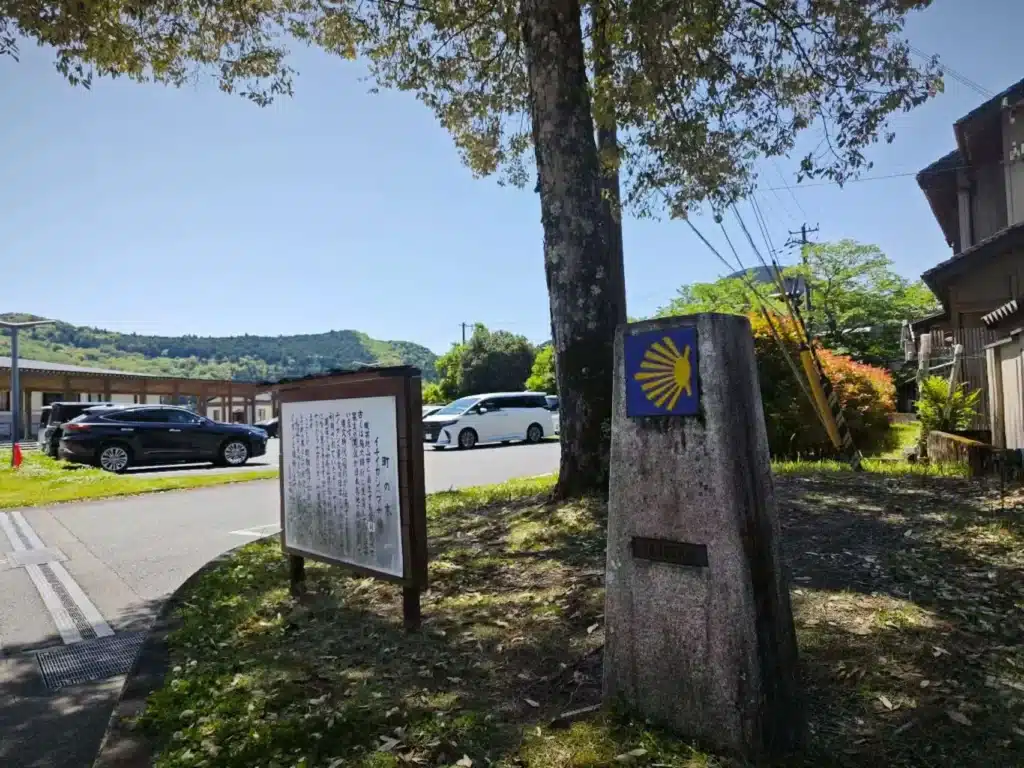
If you’ve been thinking about walking the Camino de Santiago in Spain one day but want to test a gentler, shorter “practice pilgrimage” first, Kumano Kodo is such a good option. It has the spiritual vibe and the ritual, but it’s not as long, not as tough, and definitely comes with better onsen breaks.
It might not be for you if:
- You want to smash 30 km days and run up mountains
- You hate walking downhill (there are a few sections your knees will remember)
- You only want big cities, shopping, and nightlife
Quick Overview of This 5-Day Kumano Kodo Nakahechi Itinerary
Let’s zoom out before we go day-by-day. Here’s what this realistic 5-day Kumano Kodo itinerary looks like in simple terms:
- Route: Nakahechi trail, the classic and best-marked section
- Style: Point-to-point hike, but with some short bus transfers to keep distances beginner-friendly
- Daily distance: around 8–12 km of walking most days, 2-3 hours work a day
- Focus: shrines, forest paths, mountain villages, and onsens
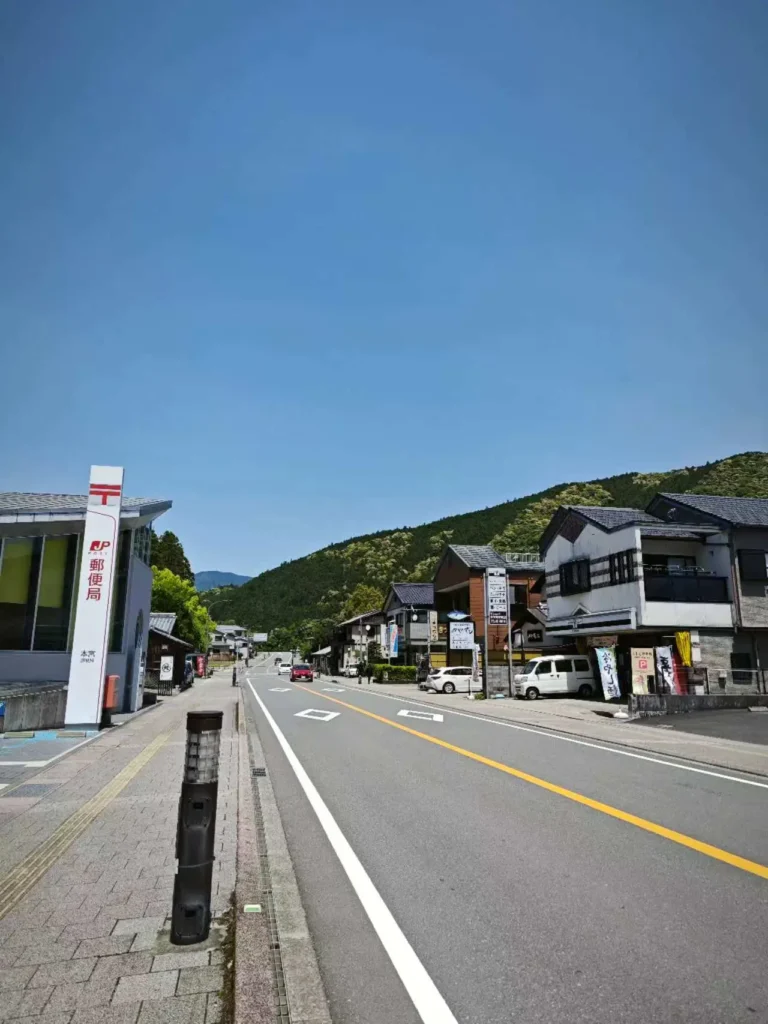
5-Day Nakahechi Plan at a Glance
Distances are approximate and include some optional short bus shortcuts — because we’re realistic here.
| Day | Route | Walking Time | Overnight |
|---|---|---|---|
| Day 1 | Arrive Kii-Tanabe → Bus to Takijiri-oji → Start Nakahechi | 3–4 hrs | Mountain guesthouse |
| Day 2 | Continue Nakahechi → Toward Kumano Hongu area | 4–6 hrs | Near Hongu / Yunomine Onsen |
| Day 3 | Walk to Yunomine Onsen (or nearby onsen village) | 3–5 hrs | Onsen ryokan |
| Day 4 | Short walk + shrine time at Kumano Hongu Taisha | 2–4 hrs | Same area or move toward Shingu |
| Day 5 | Finish at another key shrine / viewpoint, then bus/train out | 3–5 hrs | Travel onward (Katsuura / Osaka etc.) |
Don’t Miss This: Getting Your Pilgrim’s Passport
Before you start walking, pick up your Kumano Kodo pilgrim’s passport — it’s half the fun of the pilgrimage!
You can collect stamps (called nōkyō) at shrines and information centers along the way, and after completing the route, you can even apply for an official certificate.
Here’s how it works in Kii-Tanabe:
- As soon as you step out of JR Kii-Tanabe Station, turn left and you’ll see the Tanabe City Tourist Information Center right away.
Inside, on the counter, you’ll find a stack of “Dual Pilgrimage” passports — it’s the free one that connects Kumano Kodo and Spain’s Camino de Santiago. Grab it!
You can also pick up super useful brochures with trail maps, rest stops, and supply points. Everything’s so clear you basically don’t need to plan anything yourself. - If you want the Nakahechi Route passport (the local Kumano Kodo edition), that one costs ¥150. You can get it at the Hotel Kii-Tanabe, about an 8–10 minute walk from the station. Just follow the signs to the hotel — they sell the booklet at the front desk.
Bring some coins or small cash; it makes things smoother.
(Visual) Photo of the pilgrim passports laid on a wooden table, or close-up of stamps being pressed
You can check the official Kumano Kodo pilgrimage website for exact info on where to get passports at different starting points, plus downloadable maps and trail updates:
👉 Kumano Kodo Official Website (Tanabe City Kumano Tourism Bureau)
How to Get to the Start of the Trail (Kii-Tanabe & Takijiri-oji)
Getting to the trailhead is surprisingly easy — it’s basically one JR train + one bus.
From Osaka or Kyoto, you take a JR limited express train down the coast to Kii-Tanabe (around 2–3 hours from Osaka, a bit longer from Kyoto via Shin-Osaka). From Nagoya, you ride the JR line south along the Pacific coast and hop off at the same station: JR Kii-Tanabe.
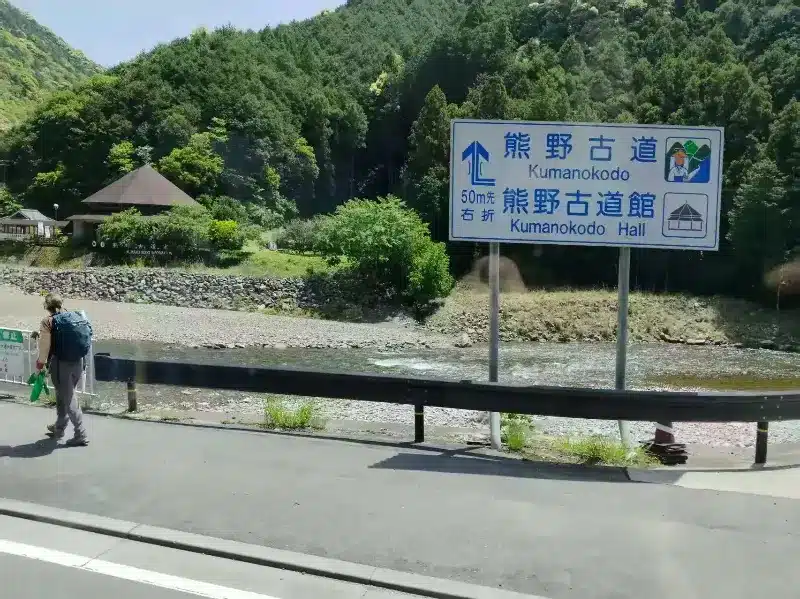
I highly recommend spending one night in Kii-Tanabe before you start walking. It gives you time to pick up your pilgrim’s passport, buy snacks, and let everyone (especially parents or kids) rest before day one.
The next morning, you’ll take a local bus from Kii-Tanabe Station to Takijiri-oji, the official Nakahechi trailhead.
For trains, we used a JR pass covering the Kii Peninsula, booked in advance on Trip. If you’re mainly focusing on the Kumano area, look into the local bus pass for Kumano Kodo, also available on Trip — I’ll break down the costs later in the budget section.
Detailed 5-Day Kumano Kodo Itinerary (Step-by-Step)
We spent 5 calendar days on the trail:
👉 Day 0–Day 4 (arrival + 4 hiking days).
Anything after Kii-Katsuura is an extension, not part of this core plan.
We also kept the walking around 2–3 hours a day by using local buses to skip the knee-destroying sections — perfect for my 65+ parents and my non-athlete self.
Day 0 – Arrive in Kii-Tanabe, Forward Luggage & Yakiniku Night
| Time | Plan | Notes |
|---|---|---|
| Afternoon | JR train to Kii-Tanabe | From Osaka / Kyoto / Nagoya |
| Late afternoon | Check in near station | We stayed at Hotel Kii Tanabe |
| Evening | Forward big luggage to last hotel + yakiniku dinner | We sent ours to Hotel Urashima in Kii-Katsuura |
If you have a big suitcase, this is the day to get rid of it (temporarily 😄).
We used the hotel / courier service to ship our large bag directly to our final hotel in Kii-Katsuura, and only carried a smaller backpack with:
- 4–5 days of clothes
- Toiletries
- Trail snacks
Highly recommend — it makes every climb so much easier.
After that, we celebrated the start of our pilgrimage the only correct way: with a proper yakiniku dinner near the station, then early sleep.
Day 1 – Forest Warm-Up & First Onsen Night
Kii-Tanabe → Takahara area → Chikatsuyu → Kawayu Onsen
| Segment | Mode | Time | Walking |
|---|---|---|---|
| Kii-Tanabe → Kurisugawa / Takahara area | Bus | ~40 mins | – |
| Short hike around Takahara ridge | Walk | ~2 hrs | Gentle up & down |
| Takahara area → Chikatsuyu | Bus | ~20–30 mins | – |
| Chikatsuyu → Kawayu Onsen | Bus | ~45 mins | – |
Where we stayed:
- Kawayu Onsen – a traditional ryokan with riverside hot spring
(Visual) Photo of Takahara viewpoint + riverside onsen in Kawayu
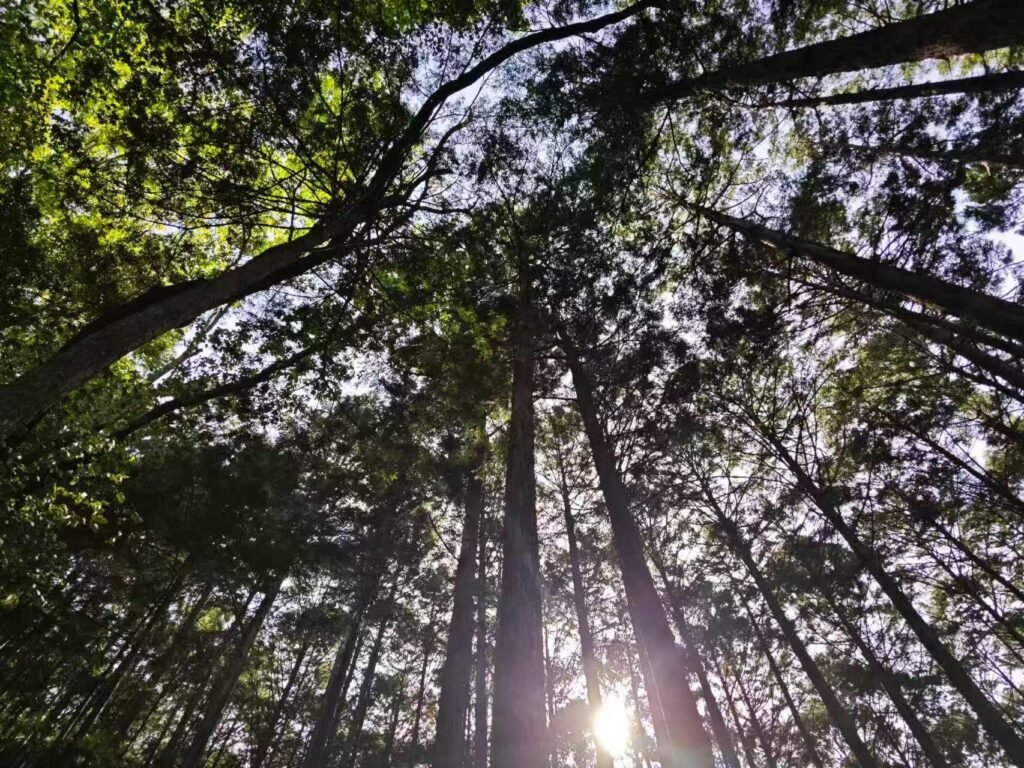
We started our walking gently. Instead of doing the full 6–7 hour Takahara–Chikatsuyu section, we:
- Took the bus up to the Takahara area
- Walked around 2 hours on the ridge and nearby forest paths
- Enjoyed the views over terraced fields and mountains
It’s enough to feel “I’m on the Kumano Kodo” without scaring your knees on day one.
In the afternoon, we hopped on buses via Chikatsuyu and continued on to Kawayu Onsen, our first onsen base. Soaking in the natural hot spring by the river instantly erased day-one tightness — my feet went from “excuse me??” to “okay, this is fine.”
Day 2 – Hosshinmon-oji to Kumano Hongu Taisha & Yunomine Onsen
Kawayu Onsen → Hosshinmon-oji → Kumano Hongu Taisha → Yunomine Onsen
| Segment | Mode | Time | Walking |
|---|---|---|---|
| Kawayu Onsen → Hosshinmon-oji | Bus | ~30–40 mins | – |
| Hosshinmon-oji → Kumano Hongu Taisha | Walk | ~2–3 hrs | Mostly gentle forest trail |
| Kumano Hongu Taisha → Yunomine Onsen | Bus (or walk) | 10 mins by bus / ~1 hr walk | Optional extra |
Where we stayed:
- Yunomine Onsen – we stayed at a cozy minshuku with its own bath
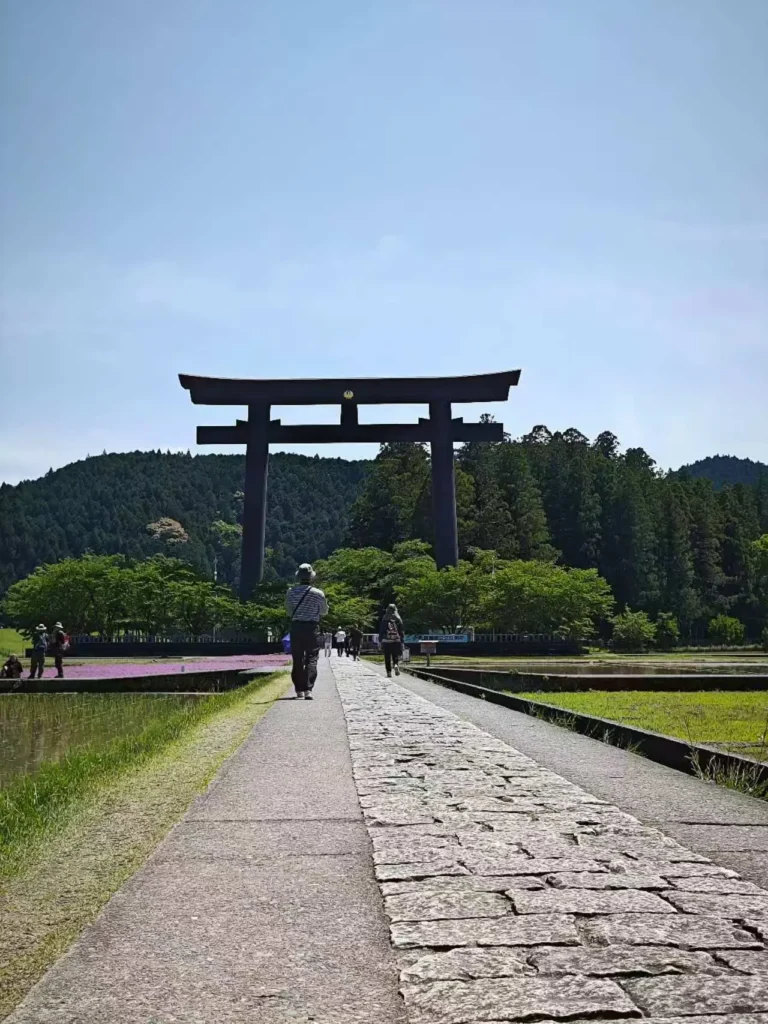
(Visual) Shot of Hosshinmon-oji signpost + Kumano Hongu Taisha grand torii + tiny Yunomine lane
This is my favourite “beginner-friendly” day on the Nakahechi.
Most hardcore itineraries start walking earlier and do 6–7 hours.
We chose the chill version:
- Took the bus straight to Hosshinmon-oji, skipping the longer uphill from Dorogawa Bridge
- Walked around 2–3 hours through forests, small shrines and village views
- Finished at the magnificent Kumano Hongu Taisha
Some parts of the path are narrow and can be muddy after rain, with little puddles hidden under leaves. Good trail shoes and long socks are your best friends here.
After exploring the shrine and collecting our stamps, we moved on to Yunomine Onsen by bus (you can also walk about an hour if you still have energy).
In Yunomine:
- We soaked in tiny old-style baths
- Boiled eggs and sweet potatoes in the hot spring water
- Ate them still steaming while our legs slowly forgave us
Day 3 – Taste of the Long Ridge & River Town Stay
Yunomine Onsen → Koguchi area → Shingu
| Segment | Mode | Time | Walking |
|---|---|---|---|
| Yunomine Onsen → Pleasegawa or Koguchi | Bus | ~30–40 mins | – |
| Easy section of Kogumotori-goe | Walk | ~2–3 hrs | Choose a shorter stretch |
| Trail exit → Koguchi / road | Bus | 10–20 mins | – |
| Koguchi → Shingu (Kumano-gawa area → Kumano Hayatama Taisha) | Bus | ~1 hr total | – |
Where we stayed:
- Shingu – Guesthouse Yuzu, a simple, friendly base
The classic Pleasegawa → Koguchi route is about 5 hours with serious elevation — beautiful, but a lot for beginners or parents.
We did a “tasting flight” version instead:
- Bused into the Kogumotori-goe area
- Walked around 2–3 hours on one of the gentler sections
- Jumped back on a bus down to the road
You still get that deep-forest feeling, mossy stones and little wooden signposts, without committing to a full mountain marathon.
By late afternoon we reached Shingu, a small coastal city and home to Kumano Hayatama Taisha. After days in tiny villages, having convenience stores, restaurants and a proper town felt strangely luxurious.
Day 4 – Nachi Taisha, Waterfalls & Port Town Vibes
Shingu → Nachi area (Daimonzaka) → Kii-Katsuura
| Segment | Mode | Time | Walking |
|---|---|---|---|
| Shingu → Daimonzaka trailhead / Nachi area | Bus | ~30–40 mins | – |
| Daimonzaka stone path → Nachi Taisha & Seiganto-ji | Walk | ~1–1.5 hrs | Steady uphill on stone steps |
| Nachi Taisha → Nachi Falls viewpoints | Walk | ~30–45 mins | Mostly downhill / flat |
| Nachi area → Kii-Katsuura | Bus or train | ~10–20 mins | – |
Where we stayed:
- Kii-Katsuura – Maguro BLDG by WhyKumano (or your chosen hotel; we later moved to Hotel Urashima with cave onsens)
(Visual) Daimonzaka stone path under cedars + pagoda & Nachi Falls shot + Katsuura fishing port at sunset
The “official” Ogumotori-goe from Koguchi to Nachi is a legendary 9+ hour hike with over 1,000 m of climbing. Gorgeous, but… not exactly beginner-friendly.
Our version:
- Took a bus straight to Daimonzaka, a beautiful cobbled slope lined with giant cedars
- Walked about an hour up to Nachi Taisha and Seiganto-ji
- Continued down to the Nachi Falls viewing area (another 30–45 mins of wandering, photos and quiet staring at the 133 m waterfall)
This way, you still finish your pilgrimage at one of the most iconic spiritual spots in Japan, without needing to survive an all-day mountain epic.
By late afternoon we rolled into Kii-Katsuura, a small port town famous for tuna and sea views. This is also where our forwarded luggage finally reunited with us at the hotel — always a happy moment.
Where We Stayed – 5 Nights at a Glance
| Night | Area | Our Stay | Why it Works for This Route |
|---|---|---|---|
| Night 0 | Kii-Tanabe | Hotel Kii Tanabe | Steps from the station, perfect for arrival + luggage forwarding |
| Night 1 | Kawayu Onsen | Riverside ryokan | First onsen night – great for recovering from your warm-up hike |
| Night 2 | Yunomine Onsen | Small minshuku | Historic hot spring village + egg & sweet potato boiling |
| Night 3 | Shingu | Guesthouse Yuzu | Handy base for Kumano Hayatama Taisha and buses to Nachi |
| Night 4 | Kii-Katsuura | Maguro BLDG / Hotel Urashima | Port town vibes, tuna dinners, and cave onsens by the sea |
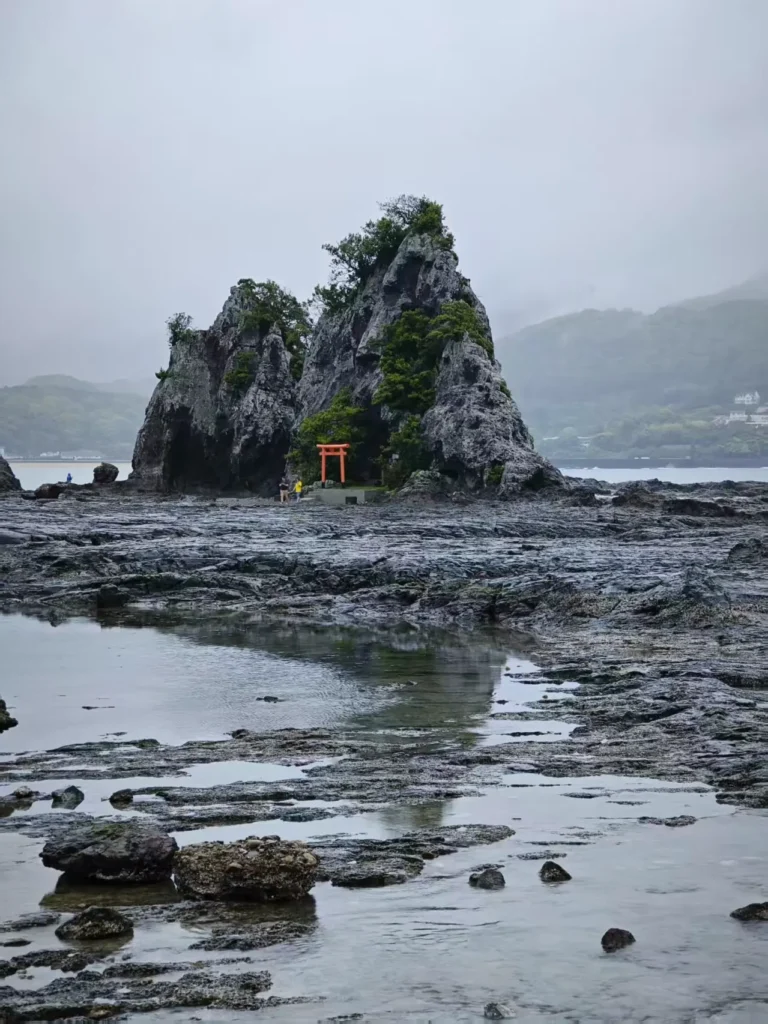
After Day 4, you can either head back to Osaka / Kyoto, or stay longer in Kii-Katsuura for sunrise torii gates, boat rides, and more onsen time — I’ll talk about those extensions in a later section.
Budget Breakdown: How Much Does a 5-Day Kumano Kodo Trip Cost?
Walking the Kumano Kodo looks like a once-in-a-lifetime spiritual adventure — and it is — but the cost is surprisingly friendly, especially compared to other multi-day hikes around the world.
✨ Realistic 5-Day Kumano Kodo Budget (Per Person)
| Category | Estimated Cost | What This Covers |
|---|---|---|
| Accommodation | USD 320 | 5 nights in ryokan/guesthouses along the trail (¥8,000–¥12,000 per night with dinner & breakfast) |
| Food | USD 130 | Convenience store lunches, snacks, plus local dinners not included in stays |
| Transport | USD 100 | JR trains to/from Kii Peninsula + local Kumano buses |
| Onsens & Experiences | USD 40 | Public baths, Yunomine hot spring, small shrine fees |
✨ The Quick TL;DR Version
Expect to spend around USD 500–600
for a full 5-day Kumano Kodo experience with:
hot spring inns, good food, buses, shrine visits, and a few treats.
What to Pack for a 5-Day Kumano Kodo Hike
🥾 1. Hiking Shoes
The forest paths can get wet, muddy and slippery, especially after rain.
I used Crispi lightweight boots → buy the same one
🎒 2. A Lightweight Daypack (25L is perfect)
No need to carry heavy bags — send your big luggage to your final hotel.
What should include:
- Water
- Snacks
- One warm layer
- Rain gear
- Small towel
- Pilgrim passport + stamps
Osprey is a good choice → purchase with 10% off - 👕 Clothing
Keep it light, layer-able, and resistant to winter humidity.
Base layer + Outer shell (Montbell is recommeded and also a Japanese brand, purchase locally or online are all available)
Long thick socks is most essential !!
🪄 4. Trekking Poles (Optional)
There are wooden stick along the trail, so trekking poles is optional.
🍱 5. Water & Food !!
🩹Small first-aid kit
→ blister plasters, bandages, antiseptic wipes
Optional Extensions: Nachi Falls, Katsuura Onsen & Cape Shionomisaki
If you have one or two extra days after finishing the Nakahechi, here are my top picks —
🌊 1. Nachi Falls & Pagoda Viewpoint
The most iconic photo spot in the entire region.
The 133-meter Nachi Falls stands behind the bright red Seiganto-ji pagoda, and honestly, it looks like a movie set. Easy to reach by bus from Kii-Katsuura. Spend 1–2 hours walking the stone paths and temple steps.
🐟 2. Katsuura Port & Cave Onsen (Hotel Urashima)
Stay a night at Hotel Urashima, famous for its mythical cave hot springs carved into seaside rock. The ocean crashes right outside the bath — it’s unreal. The Katsuura morning tuna market is also worth waking up early for.
🌅 3. Cape Shionomisaki (Southernmost Tip of Honshu)
The official southernmost point of Japan’s main island.
Expect strong winds, wide-open ocean views, a quiet lighthouse, and a peaceful park-like vibe. A great half-day trip from Kii-Katsuura when you want fresh air and zero crowds.
TravelWishlists – Chelsea